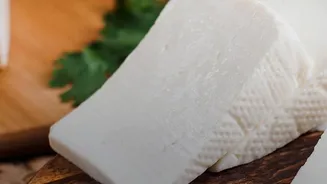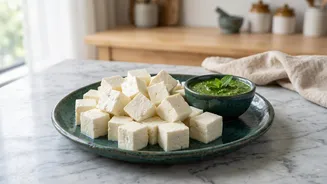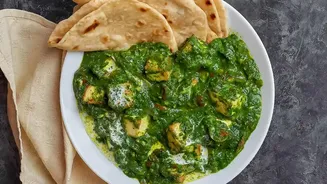






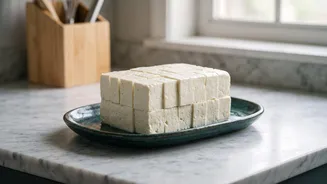

The Allure of Homemade Paneer
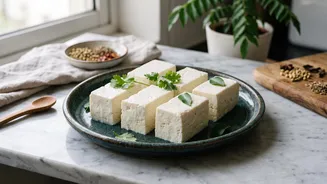
The primary benefit of making paneer at home is control. You decide the quality of milk, the type of acid (like lemon juice or vinegar), and the final texture. Unlike many packaged varieties that may contain preservatives, stabilisers, or excess salt
to extend shelf life, homemade paneer is pure. This freshness translates to a softer, more succulent texture and a richer, milkier taste. Beyond flavour, you get a nutritional bonus. Freshly made paneer retains more of its inherent nutrients, such as calcium and B vitamins, which can degrade during commercial processing and storage. Furthermore, the process yields a valuable byproduct: whey. This protein-rich liquid, which is discarded in commercial processing, can be used at home to knead dough for softer rotis or to add body to dals and soups.
The Unseen Risk: What's Lurking in the Milk?
The biggest risk in the journey to perfect homemade paneer is the quality of the milk itself. Milk adulteration is a significant issue in India, driven by the gap between high demand and supply. While adding water is the most common way to increase volume, which dilutes nutritional value, the more dangerous adulterants are chemical. Substances like detergents, urea, caustic soda, and even formalin have been found in milk samples across the country. These are added to mimic thickness, increase viscosity, or preserve the milk for longer. For instance, detergents help emulsify added oils to fake a high fat content, while urea can artificially inflate protein readings. Consuming these chemicals poses serious health risks, ranging from gastroenteritis and digestive issues to long-term damage to organs like the kidneys and liver. In some extreme cases, contamination from sources like industrial coolants has even proven fatal.
Sourcing Safe Milk: Your First Line of Defence
Your quest for safe paneer begins with sourcing clean milk. While loose milk from a local vendor might seem traditional, it carries a higher risk of adulteration compared to packaged milk. When buying packaged milk, look for trusted brands that adhere to Food Safety and Standards Authority of India (FSSAI) guidelines. Check for proper sealing and 'best-before' dates. Always opt for pasteurised, full-fat milk, as it provides the best yield and texture for paneer. While UHT (Ultra High Temperature) milk is safe due to its processing, it may not curdle as effectively and can result in a lower yield. Building a relationship with a trusted local dairy that has transparent hygiene practices can also be a good option, but diligence is key.
Simple Purity Checks You Can Do at Home
You don’t need a laboratory to perform basic checks on your milk. These FSSAI-recommended tests can help you spot common adulterants. To test for water, place a drop of milk on a polished, slanted surface. Pure milk will flow slowly, leaving a white trail, while diluted milk will run down quickly without leaving a mark. To check for detergent, shake a mixture of equal parts milk and water in a bottle for about 30 seconds. If a dense, soapy lather forms that persists, it indicates the presence of detergent. Pure milk will only form a thin layer of foam that disappears quickly. You can also test for starch by boiling a few millilitres of milk with water, letting it cool, and adding a drop of iodine tincture. If the solution turns blue-black, it contains starch.
Safe Preparation for Perfect Paneer
Once you have sourced your milk, safe handling in the kitchen is paramount. Regardless of whether the milk is pasteurised or raw, always bring it to a full, rolling boil before adding your acid. This step is critical for killing any harmful bacteria like Listeria or E. coli that might be present. Use clean utensils and a clean muslin or cheesecloth for straining. After the milk curdles and you separate the solids, rinsing the curds under cold water is a good practice. This not only washes away any lingering acidic taste from the lemon juice or vinegar but also helps cool the paneer quickly, contributing to a softer texture. Finally, when pressing the paneer, ensure the surface and the weight you use are clean to avoid any cross-contamination.