


The Bobber Philosophy: Less is More
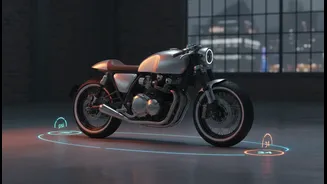
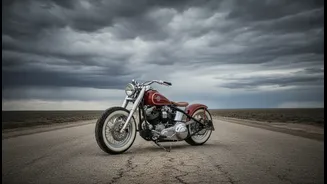
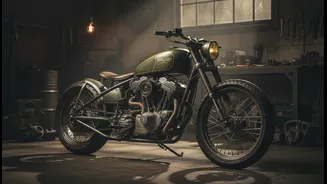
To understand Harley-Davidson's latest move, you have to appreciate the bobber. Born after World War II, the style was pioneered by riders who took stock motorcycles and removed every non-essential part. Fenders were “bobbed,” or shortened, seats were swapped
for solo saddles, and anything deemed too heavy or flashy was unceremoniously discarded. The goal was simple: reduce weight, increase speed, and create a machine with a rebellious, minimalist aesthetic. This raw, garage-built ethos has remained a powerful subculture in the motorcycle world, representing a direct connection between the rider, the machine, and the road, free from unnecessary distractions.
Meet the Modern Minimalist: The 2026 Deadwood
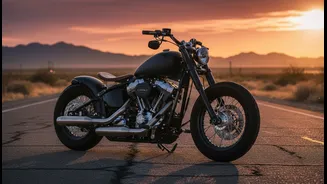
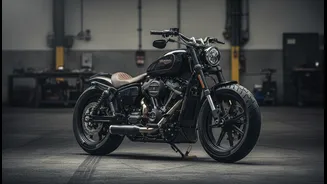
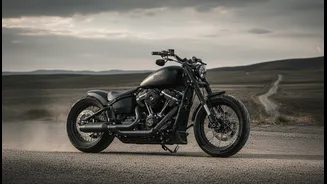
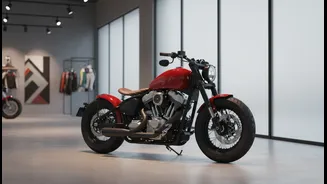
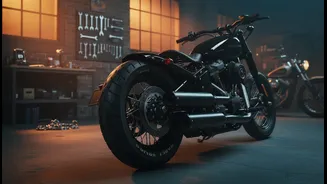
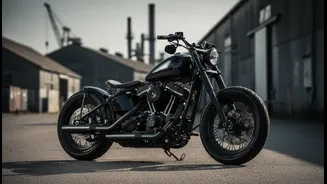
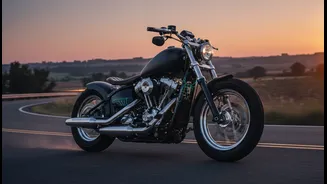
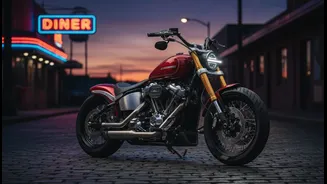
Harley-Davidson is channeling this spirit with a new model that serves as a modern factory bobber. Dubbed the Deadwood, this Softail model is a masterclass in stripped-down design. It features a low-slung profile, a tuck-and-roll solo seat, chopped fenders, and an almost entirely blacked-out finish, from the powertrain and exhaust to the handlebars and controls. The company intentionally kept chrome to a minimum, using it only to highlight the classic V-twin engine shape. With a low 25.5-inch seat height and no passenger seat or saddlebags, the bike showcases the clean lines of its Softail frame, creating the visual illusion of a classic hardtail without the bone-jarring ride. It is, in essence, a blank canvas designed for riders who value raw style and personalization.
The Heartbeat: A Milwaukee-Eight Powerplant
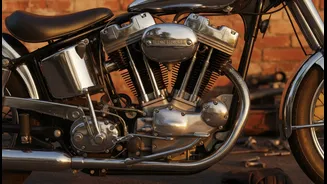
At the core of this minimalist machine is Harley-Davidson’s formidable Milwaukee-Eight 117 engine, a 1,923cc V-twin tuned for accessible, real-world power. The focus isn't on chasing stratospheric horsepower figures but on delivering a satisfying wave of torque that provides a strong pull every time you twist the throttle. This engine is the bike's soul, providing the signature rumble and muscular performance that is central to the Harley experience. While it delivers a raw, mechanical feel, modern engineering ensures it runs smoother and more reliably than the vintage bikes that inspired it, offering a refined power delivery for both city cruising and open highways.
The Invisible Guardian: Modern Safety Tech
Here's where the paradox of the headline comes into play. Despite its old-school appearance, the Deadwood is packed with a suite of modern electronic rider aids. The standard Rider Safety Enhancements include cornering-aware Anti-Lock Brakes (ABS), Cornering Traction Control, and Drag-Torque Slip Control. In simple terms, these systems work in the background to prevent wheel lock-up during hard braking, stop the rear wheel from spinning out during aggressive acceleration (even in turns), and manage rear-wheel slip during abrupt downshifts. This electronic safety net is designed to be unobtrusive, stepping in only during unexpected situations to help the rider maintain control without sanitizing the pure riding experience. Three selectable ride modes—Road, Sport, and Rain—also allow the rider to tailor the bike's throttle response and electronic intervention levels.
The Indian Context: A Premium Canvas
For the Indian market, a bike like this represents a premium lifestyle choice. While the Softail Standard was previously discontinued in India, new models often make their way to the market. Based on the pricing of similar models in the Softail family, like the Street Bob, a bike like the Deadwood would likely be positioned in the ₹20-22 Lakh range. It would compete against other premium cruisers from brands like Triumph and Indian Motorcycle. Its appeal in India lies in its dual nature: it's a globally recognized symbol of rebellion and freedom, but one that comes with the reliability and safety features that make it practical for modern road conditions. For discerning Indian riders, it offers the perfect starting point for creating a truly personalised custom motorcycle.