

What Exactly Is Jaggery?
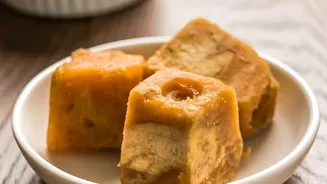
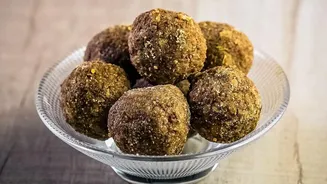
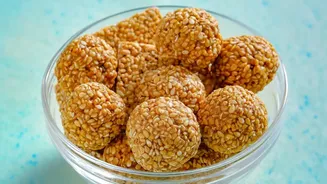
Jaggery, known as 'gur' in many parts of India, is a traditional, non-centrifugal sugar. Unlike refined white sugar, which is processed to isolate pure sucrose, jaggery is made by simply boiling raw sugarcane juice or palm sap until it solidifies. This
minimal processing means it retains the natural molasses, which is stripped away from white sugar. The result is a product that can range from golden brown to nearly black, sold in forms from solid blocks to free-flowing powders. This rustic method preserves not just its colour but a host of minerals and flavour compounds that white sugar lacks.
The Science of a 'Deeper' Sweetness
The secret to jaggery's complex character lies in the molasses it holds onto. This is where its signature notes of caramel, toffee, and even a faint smokiness come from, a stark contrast to the clean, singular sweetness of refined sugar. Think of it as the difference between a simple sketch and a detailed painting. While white sugar provides a flat plane of sweetness, jaggery adds layers of flavour. It also contains trace minerals like iron, potassium, and magnesium, which contribute to its earthy, robust taste profile. Different types, such as those made from sugarcane versus date palm sap, offer their own unique nuances, with palm jaggery often having a smokier, more intense flavour.
More Than Flavour: A Matter of Texture
When used in desserts, particularly those with a rice-flour base, jaggery's impact goes beyond taste. Because it's unrefined, jaggery contains more moisture and invert sugars than white sugar. It is also hygroscopic, meaning it attracts and holds onto moisture from the air. This quality often results in a final product that is softer, chewier, and moister. Desserts like rice flour cakes or puddings sweetened with jaggery tend to have a fudgier, more tender crumb compared to their sugar-based counterparts, which can sometimes be drier or more brittle. The rich brown colour it imparts also adds a visual warmth and appeal that white sugar simply cannot match.
A Perfect Pairing with Rice Flour
Rice flour, with its neutral, slightly earthy flavour, provides the perfect canvas for jaggery to shine. Its subtlety allows the complex, caramel notes of the jaggery to become the star of the show. This classic combination is the foundation of countless traditional Indian sweets. Think of the beloved Kozhukattai from South India, where steamed rice flour dumplings are filled with a fragrant mixture of grated coconut and melted jaggery. Or consider the comforting embrace of a warm bowl of Payasam or Kheer, where rice is slow-cooked in milk and sweetened with gur, creating a creamy, soulful dessert. In West Bengal, rice flour crepes called Patishapta are often filled with a jaggery and coconut mixture, showcasing the beautiful harmony between the two ingredients.
Tips for Making the Switch
If you're ready to embrace jaggery in your own kitchen, a few tips can ensure success. While some cooks use a 1:1 substitution for sugar, many find that jaggery is slightly less sweet and recommend using about 1.25 cups of jaggery for every cup of sugar to achieve the same level of sweetness. Powdered jaggery is often the easiest to work with in baking, as it dissolves quickly and mixes evenly. If you have a solid block, grating it finely is essential to avoid lumps in your batter or dough. Be mindful that jaggery can cause milk to curdle if added while the milk is boiling due to its natural acidity; it's often best to add it after taking the pot off the heat.