








The Search for a Hardier Berry
For decades, Indian strawberry farming has relied heavily on a handful of popular varieties imported from Europe and the United States, such as Chandler, Sweet Charlie, and Camarosa. While these have served farmers well, they were originally bred for
temperate climates, not the diverse and often harsh conditions found across India. This dependency means farmers often face challenges, from inconsistent yields to vulnerability to heat stress, heavy rains, and regional pests. Recognizing this, agricultural scientists and institutions are spearheading efforts to identify and develop new cultivars better suited to local environments. The goal is to find berries that are not just high-yielding but also more robust, reducing risks for farmers and strengthening the domestic supply chain.
Inside the Nationwide Trials
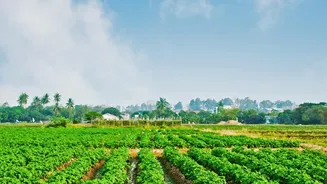
The headline's mention of 19 varieties points to specific, significant research efforts. For instance, a key project at Bihar Agricultural University (BAU) evaluated 19 different strawberry varieties to determine their suitability for the state's climate. From this research, varieties like 'Festival', 'Winter Dawn', and 'Sweet Charlie' were identified as strong performers for the region. Such trials are not isolated. Across India, from Rajasthan to Gujarat, similar evaluations are taking place. In Rajasthan, after testing 16 varieties, 'Winter Dawn' proved most adaptable to the local climate. In Gujarat's Dang district, farmers are now successfully cultivating nine different varieties, boosting their income significantly. These trials involve meticulous observation of plant growth, fruit size, sweetness, and resistance to disease, providing a scientific basis for farmer recommendations.
More Than Just a Sweeter Taste
While a delicious flavour is crucial for consumer acceptance, these trials measure much more. The primary objective is 'better performance', which encompasses a range of traits vital for commercial success. Researchers look for higher yields per acre, which directly translates to more income for farmers. They also assess climate resilience—the ability to withstand unexpected heatwaves or rainfall. Another critical factor is shelf life. A berry that stays fresh longer is easier to transport from rural farms to urban markets, reducing waste and opening up new sales opportunities. Disease resistance is also key, as it can lower the need for chemical inputs, making cultivation more sustainable and cost-effective.
A Boost for Farmer Income and 'Make in India'
The push for new and indigenous varieties is a strategic move to boost farmer incomes and reduce dependency on foreign plant material. Imported saplings come with costs like royalties and logistics fees, which can be a burden, especially for small-scale growers. By developing and promoting locally adapted varieties, the agricultural sector can lower production costs. Success stories are already emerging, with farmers in some regions reporting earnings of up to ₹8 lakh per hectare from strawberry cultivation. This agricultural innovation aligns with a broader ambition for India to become a 'strawberry superpower', not just satisfying its growing domestic demand but also eventually competing in the global export market. This transition is a long-term project, but the ongoing trials are a critical first step.