




A Sweet Season Extension
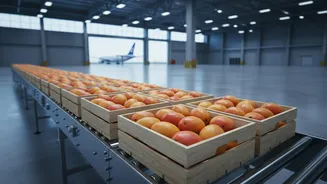
In a significant move for India's agricultural export market, a trial air shipment of late-season mangoes from Karnataka was successfully sent overseas at the end of July. This initiative, facilitated by the Agricultural and Processed Food Products Export
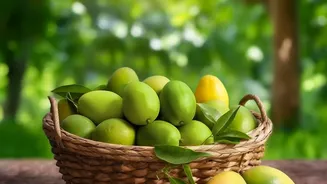
Development Authority (APEDA), involved flying one metric tonne of the Neelam and Totapuri varieties to the Maldives. What makes this development crucial is its timing. These mangoes are harvested from late June to the end of July, a period when the peak mango export season for more famous varieties like the Alphonso has typically wound down. By establishing a viable air-freight route for these later varieties, Karnataka is effectively extending the availability of fresh Indian mangoes on the international stage.
The Stars of the Show: Neelam and Totapuri
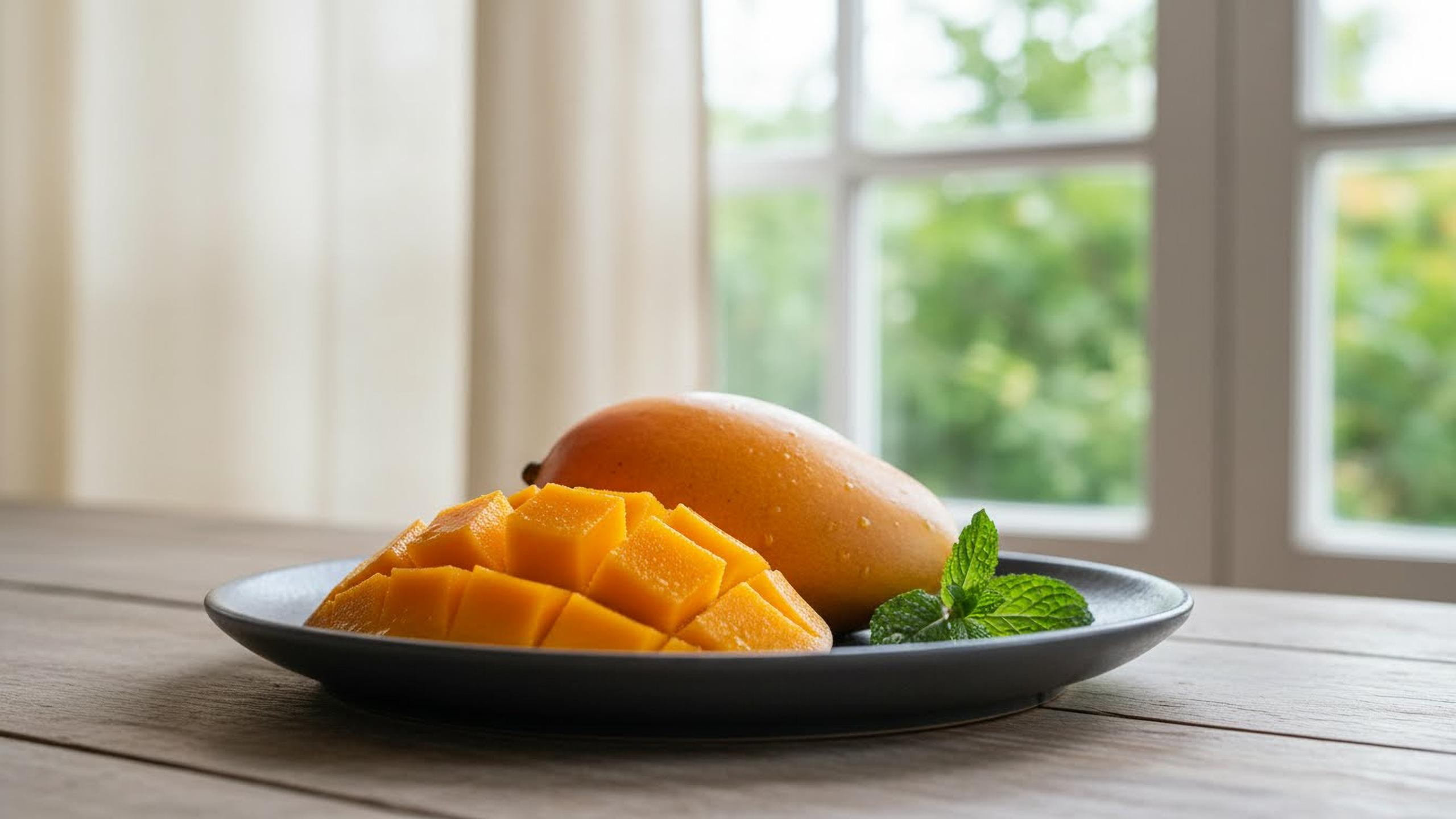
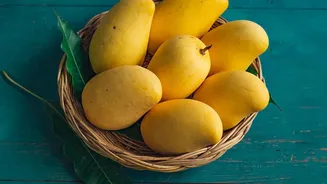
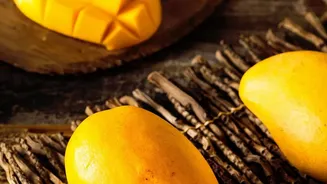
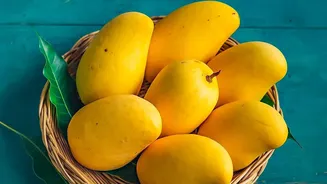
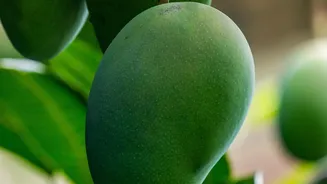
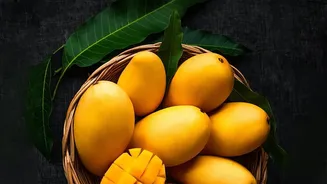
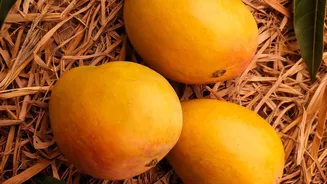
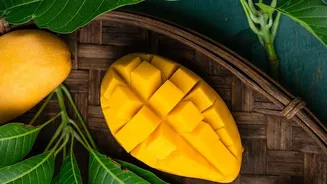
While mango aficionados globally might be more familiar with varieties from Maharashtra and Gujarat, this initiative puts the spotlight on Karnataka's unique offerings. The Neelam mango is prized for its sweet pulp and rich aroma, making it ideal for desserts and beverages. The Totapuri, known for its distinctive parrot-beak shape and a unique sweet-and-tangy flavour, is versatile for both eating fresh and for processing into juices and pulps. Previously, exporting these late-season varieties was a challenge. Their shorter shelf life compared to earlier-season mangoes made slower sea freight a risky proposition. Fast and efficient air cargo, however, ensures they arrive at their destination fresh, opening up new possibilities for farmers and exporters.
A Game-Changer for Farmers
This export debut is more than just a logistical success; it represents a significant economic victory for local farmers. The consignment was sourced directly from farmers associated with the Prakruthimaya Farmers Producer Company (FPC) in Kolar district. This direct linkage to the export market has resulted in substantial financial gains. Reports indicate that farmers involved in the initiative earned over 50 percent higher returns compared to selling their produce in conventional domestic markets. For example, Totapuri mangoes that might fetch as little as ₹3-4 per kg locally were sold for ₹30 per kg for export, while Neelam mangoes jumped from ₹30 to ₹72 per kg. This model of connecting Farmer Producer Companies directly with global markets bypasses intermediaries and helps secure a much larger share of the profit for the primary producers.
The Power of Collaboration
The successful shipment was a result of coordinated efforts between multiple stakeholders. APEDA, under the Ministry of Commerce & Industry, played a pivotal role in facilitating the process. The export itself was handled by Ahalya Devi Ventures, a company led by a newly registered woman entrepreneur, highlighting the growing role of women in India's agri-export sector. This private-public partnership, connecting a farmer-led organisation with a new exporter and government support, provides a powerful template for future agricultural ventures. By proving the model works, it is expected to encourage greater participation from other FPOs and agri-entrepreneurs in tapping the lucrative potential of global markets.
What This Means for India's Mango Diplomacy
This initiative does more than just sell fruit; it strengthens India's position as a dominant force in the global mango market. For years, India has been a major exporter, with over 1,000 tonnes of mangoes flown overseas between March and May 2026 alone. However, most of that volume is concentrated during the peak season. The ability to supply high-quality, fresh mangoes later into the year diversifies India's export basket and caters to a sustained international demand. This first shipment to the Maldives unlocks a new market for Karnataka's growers and serves as a proof of concept. As APEDA continues to work on strengthening export infrastructure, this could be the first of many such initiatives, bringing a wider variety of Indian agricultural products to a global audience for a longer period each year.