




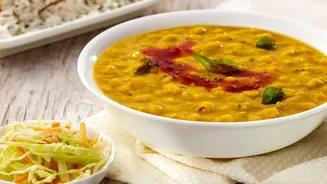
Why Pulse Variety Is a Nutritional Upgrade
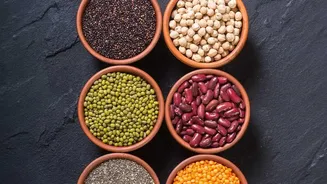
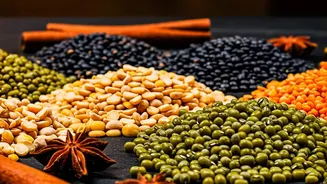
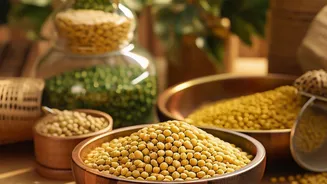
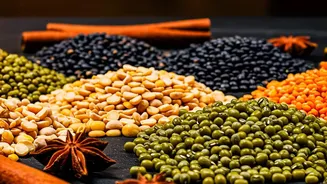
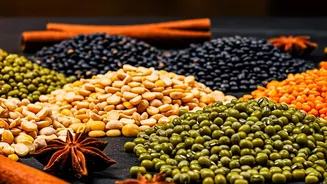
Rotating your pulses is not just about taste; it's a smart nutritional strategy. Different dals and legumes have unique profiles. For example, while most dals are rich in protein, their mineral and vitamin content varies. Urad dal is a protein champion,
offering about 24-25g per 100g (raw). Masoor dal, which cooks quickly, provides a similar amount. Chana dal is a great source of fibre and minerals like copper and manganese. By mixing them up, you ensure a broader intake of essential nutrients like iron, zinc, folate, and magnesium, which supports everything from energy levels to immune function. This variety also provides a range of dietary fibres, which is excellent for gut health and can help manage blood sugar levels.
The Quick-Cook Pulses for Busy Weeknights
On a busy day, you need protein that’s fast and fuss-free. This is where masoor dal (red lentils) and moong dal (split green gram) shine. Masoor dal requires no prior soaking and cooks in about 15 minutes, making it perfect for a quick tadka dal. It’s also light on the stomach. Moong dal is similarly easy to digest and versatile. Beyond a simple dal, you can use soaked moong dal to make savoury pancakes like cheelas or pesarattu, offering a creative breakfast or light dinner option that is still packed with protein. Both dals are ideal for turning into comforting one-pot khichdi, a complete meal when paired with vegetables.
The Hearty Heroes: Chana, Rajma, and Lobia
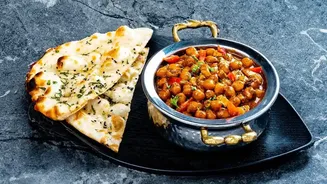
Pulses that require soaking, like chana (chickpeas), rajma (kidney beans), and lobia (black-eyed peas), are perfect for more substantial, planned-out meals. While they take more time, the payoff is a deep, satisfying flavour and texture. Rajma is a North Indian weekend favourite for a reason, creating a rich, creamy curry that pairs beautifully with rice. Chana is incredibly versatile; beyond the classic chana masala, it can be used in salads, made into hummus, or ground into besan for various snacks. Lobia, often overlooked, makes for a delicious and nutritious curry and is a fantastic way to add a different kind of legume to your diet. Pre-soaking and boiling a large batch of these on a Sunday can make weekday meal prep much faster.
Go Beyond the Bowl of Dal
The best way to fight repetition is to think of pulses as an ingredient, not just a main dish. Use whole lentils and beans in salads for a protein and fibre boost. A sprouted moong bean salad is a refreshing and nutrient-dense lunch. You can also mash cooked dals like chana or rajma to form the base for veggie burgers or kebabs. Leftover dal can even be kneaded into roti or paratha dough, adding extra protein and softness to your flatbreads. In Rajasthan, Panchmel Dal, a mix of five different lentils, is a popular dish that celebrates this very idea of variety in one go.
Your Simple Weekly Pulse Roster
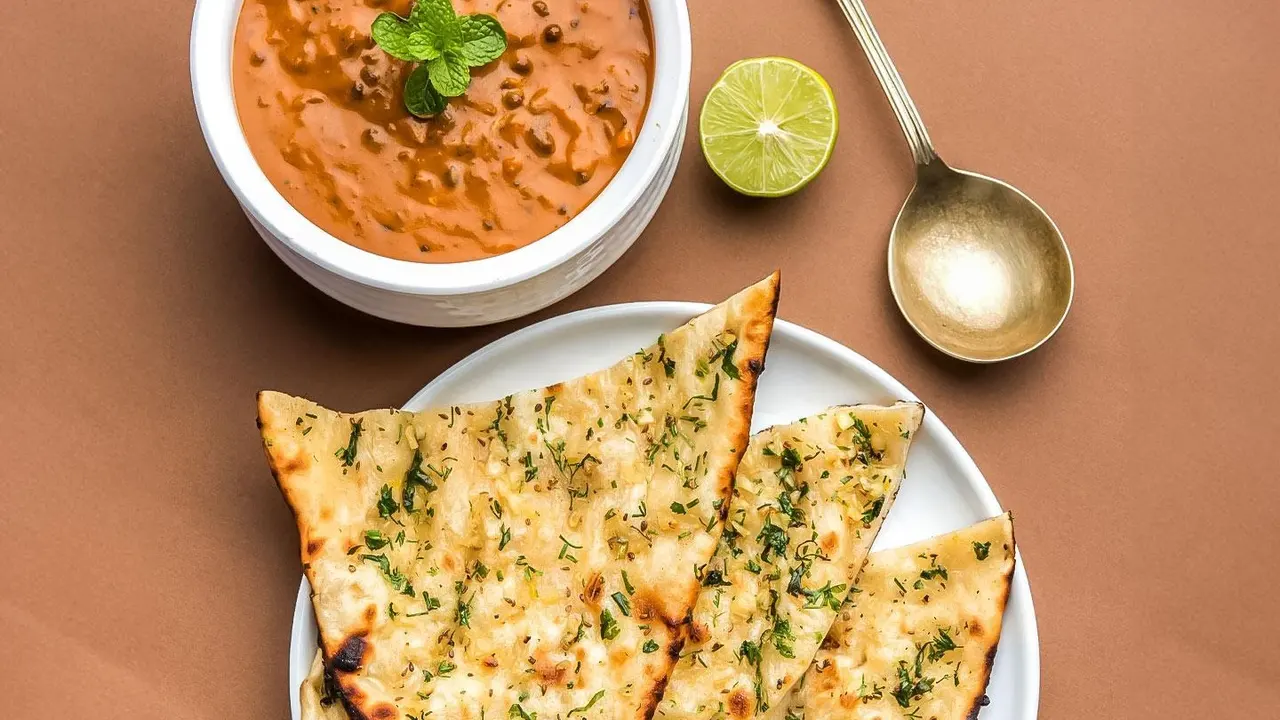
Putting this into practice can be simple. Create a loose schedule to ensure you’re naturally rotating. For example: Monday: Light Moong Dal to start the week. Tuesday: Chana Salad or Sundal for a non-curry meal. Wednesday: Quick Masoor Dal with a vegetable stir-fry. Thursday: Lobia Masala with roti. Friday: Toor Dal Sambar with idli or dosa. Weekend: A slow-cooked Rajma or Dal Makhani as a treat. This framework prevents you from defaulting to the same pulse out of habit and keeps your meals interesting and nutritionally diverse.