






A Spaceport from Science Fiction
In late August 2026, SpaceX announced its plan to construct the world's largest spaceport on a 125,000-acre site in Vermilion Parish, Louisiana. The project, a partnership with Louisiana's economic development office, represents a staggering $100 billion
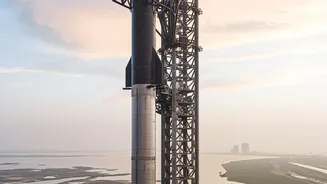
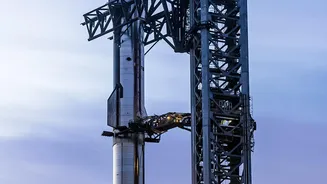
investment aimed at creating a high-frequency launch hub for its next-generation Starship rocket. CEO Elon Musk described the vision as preparing to build a spaceport that, until now, has only existed in science fiction. Plans call for a self-sustaining complex with multiple launch pads, on-site propellant production, power generation, and even housing for employees. Construction is slated to begin in 2027, with the first launch from the new facility targeted for 2029.
What 'Thousands of Launches' Really Means
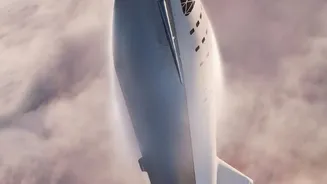
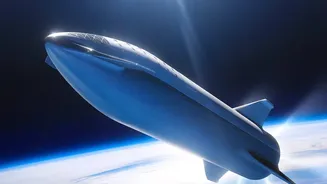
The headline figure of 'thousands of annual launches' is a dramatic leap from the current global launch cadence of a few hundred rockets per year. This number refers specifically to the Starship vehicle, which is central to SpaceX's long-term goals. Elon Musk elaborated on the vision, stating the site would eventually have over a dozen launch towers enabling more than 30 Starship flights per day. This airline-like operational tempo is key to SpaceX's strategy of making spaceflight routine and lowering costs through mass reuse. Achieving this will require a factory-like approach to rocket processing and launching, a feat no organization has ever attempted. The Louisiana site is being designed from the ground up to support this unprecedented scale.
An Economic Juggernaut for Louisiana
For Louisiana, the project promises a massive economic transformation. State officials announced the project is expected to create over 3,000 direct new jobs with an average annual salary of around $92,600—nearly double the average wage in Vermilion Parish. The total economic impact, including indirect jobs, is estimated to create over 11,000 new opportunities in the region. In addition to jobs, SpaceX will make substantial annual payments to local entities and has pledged a $25 million charitable donation to the Community Foundation of Acadiana. Governor Jeff Landry hailed the agreement as a historic partnership that will bring permanent prosperity and marry economic opportunity with coastal restoration efforts.
The Environmental Equation
Building the world's largest spaceport in Louisiana's sensitive coastal wetlands raises significant environmental questions. The region is already battling severe land loss, and a project of this magnitude will face intense scrutiny. Concerns from environmental advocates and some residents focus on the potential impact on wildlife, fisheries, and delicate habitats. SpaceX has stated it is working with state agencies like the Department of Wildlife and Fisheries and the Coastal Protection and Restoration Authority to address these issues. The company has committed to finding ways to avoid and mitigate potential impacts, but the project must still clear a complex and lengthy federal, state, and local regulatory and permitting process before any construction can begin.
From Ambitious Plan to Launch Pad
While the announcement is bold, Starbase Louisiana is still a proposal. The journey from blueprint to launch is long and filled with challenges. The $100 billion investment will be deployed over many years, contingent on hitting development, regulatory, and operational milestones. The project's success hinges not only on surmounting environmental and regulatory hurdles but also on the continued development of the Starship vehicle itself. As of mid-2026, Starship has had several test flights but has not yet achieved routine operational status. Louisiana, however, has positioned itself as a business-friendly partner, passing aerospace-friendly legislation to attract the investment. If successful, the project would place the state at the absolute center of the 21st-century space economy.