






What Did Saudi Arabia Do?
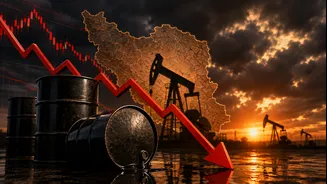
State-owned oil giant Saudi Aramco recently announced a significant cut to its official selling price (OSP) for all crude grades sold to Asian customers for November. This unexpected move makes its crude cheaper for major importers across the continent,
including India. The decision is seen as a strategy to maintain market share amid soaring transportation costs and regional disruptions that have made shipping more expensive. While it raised prices for European buyers and kept them steady for the U.S., the discount for Asia was a notable reversal of market expectations.
The Complicated Journey to Your Vehicle
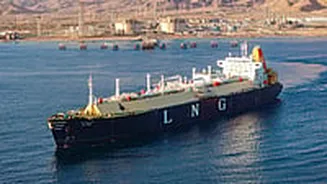
The price of crude oil is just the first step in a long and costly journey. India imports over 85% of its crude oil, making it highly susceptible to international price swings and currency fluctuations. Once crude arrives, it is sent to refineries to be processed into petrol and diesel. From there, Oil Marketing Companies (OMCs) like Indian Oil, BPCL, and HPCL transport the finished fuel to depots and finally to petrol pumps across the country. Each stage—from international purchase and shipping to refining and domestic transport—adds to the final cost.
The Real Price Driver: Taxes
A major reason why retail fuel prices don't mirror crude oil's fall is the significant tax component. The final price you pay is composed of several key elements: the base price of the fuel, central excise duty, value-added tax (VAT) levied by states, and the dealer's commission. Together, central and state taxes often constitute over half of the final retail price of petrol and diesel. These taxes are a crucial source of revenue for both central and state governments. Consequently, when global crude prices fall, governments have sometimes opted to increase excise duties to bolster revenues rather than pass the full benefit on to consumers.
OMCs and the Pricing Lag
Indian fuel prices are technically deregulated and operate on a 'dynamic daily price model' introduced in 2017. However, OMCs do not react to every daily fluctuation in the global markets. Instead, they typically base their prices on a rolling average of international rates over the preceding 15 days. This mechanism helps smooth out extreme volatility but also means there is a built-in delay. A recent drop in crude prices won't be reflected at the pump immediately; it will take time to filter through this averaging system. Furthermore, OMCs often incur significant losses, or 'under-recoveries', when global prices are high but they are unofficially discouraged from raising retail rates to protect consumers from price shocks. When crude prices eventually fall, these companies use the higher margins to recoup those earlier losses rather than implementing an immediate price cut.
So, When Will Prices Fall?
A retail price cut is not off the table, but it is not automatic. It depends on several factors aligning. Firstly, the lower international crude price needs to be sustained long enough to significantly bring down the 15-day average that OMCs use for their calculations. Secondly, the financial health of the OMCs is a major consideration. If they are still recovering from substantial losses incurred during periods of high crude prices, they will be reluctant to reduce prices. Finally, government policy on taxes remains the wild card. Any decision to cut excise duty or VAT could provide immediate relief, but this is a fiscal decision that depends on the government's revenue needs. As of early October, petrol and diesel prices across major Indian cities have remained unchanged for a considerable period.