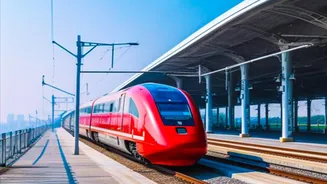







A Nationwide High-Speed Vision
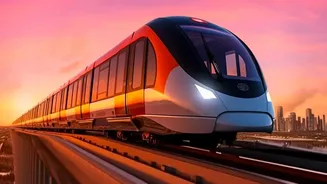
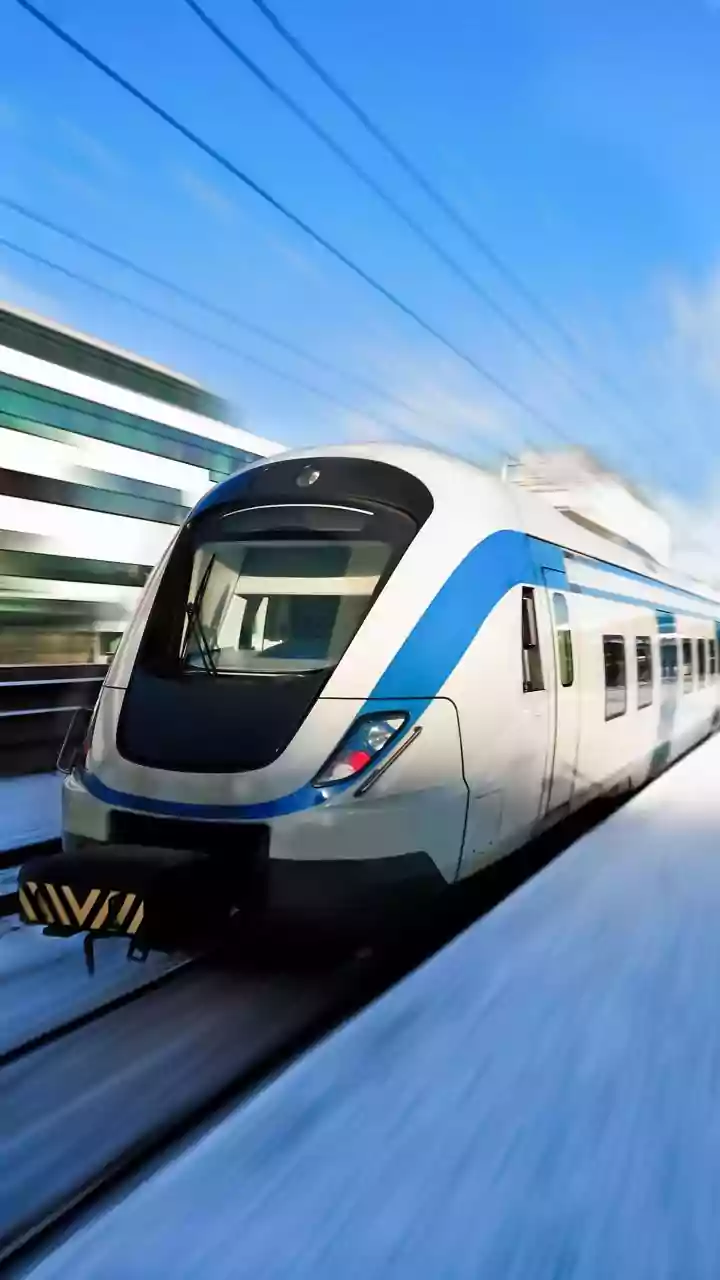
The Ministry of Railways is embarking on one of its most ambitious projects to date: a plan to develop a nearly 4,000-kilometre network of high-speed rail. Announced as part of the Union Budget 2026-27, this initiative involves constructing seven new
bullet train corridors connecting major economic hubs across the country. The proposed routes include vital connections like Mumbai-Pune, Delhi-Varanasi, and a southern hub linking Chennai, Bengaluru, and Hyderabad. This plan goes far beyond the ongoing Mumbai-Ahmedabad line, which is set to see its first section operational by August 2027. The new network represents a strategic move to create a 'future-ready' railway system, slashing travel times and revolutionising inter-city connectivity for millions.
The Power of a Single Standard
The core of this new strategy lies in a single word: standardisation. Instead of creating unique designs for each new corridor, the National High Speed Rail Corporation Limited (NHSRCL) will develop a common design template. Drawing from the experience of the 508-km Mumbai-Ahmedabad project, this 'one design' approach will apply to everything from viaducts and bridges to tunnels and station architecture. The logic is simple and powerful. Using proven, modular designs eliminates the need for costly and time-consuming redesigns for each route. This uniformity is expected to significantly speed up construction, reduce overall project costs, simplify maintenance, and ensure consistent quality and safety standards across the entire network.
Building an Indigenous Ecosystem
A key goal of this standardised approach is to foster a domestic high-speed rail industry. By creating a consistent set of technical specifications, India can reduce its dependence on imported technologies and components. The government is actively promoting the 'Make in India' initiative within the project, encouraging local manufacturing of specialised parts and equipment. NHSRCL is collaborating with leading technical institutes like the IITs to develop a design library under the 'Bharat High Speed Rail Programme'. This includes creating a train control system suited for Indian conditions, capable of handling speeds up to 350 kmph. This move not only builds domestic engineering capability but also creates a scalable ecosystem for future expansion.
Mapping the Future Corridors
The seven proposed corridors will create a web of high-speed connectivity. The lines include: Mumbai-Pune, Pune-Hyderabad, Hyderabad-Bengaluru, Hyderabad-Chennai, Chennai-Bengaluru, Delhi-Varanasi, and Varanasi-Patna-Siliguri. The travel time reductions will be dramatic. The Mumbai-Pune journey could be cut to just 48 minutes, and Chennai to Bengaluru in about 73 minutes. These routes were chosen strategically to connect major industrial, technological, and population centres, aiming to boost economic activity and regional development. Detailed Project Reports (DPRs) for several of these corridors have already been sanctioned, with surveys underway for the rest, signalling a firm commitment to turning this vision into reality.
Navigating the Challenges Ahead
Despite the ambitious vision, the path to a 4,000-km bullet train network is paved with significant challenges. High-speed rail is incredibly capital-intensive, with initial estimates for the new corridors running into lakhs of crores. Land acquisition remains one of the most significant hurdles in densely populated India, a lesson learned from delays in the Mumbai-Ahmedabad project. Furthermore, the technological leap requires a massive upskilling of the workforce to handle the construction, operation, and maintenance of such advanced systems. Balancing project costs, securing funding, and navigating the complex process of environmental clearances will test the resolve and efficiency of the implementing agencies.