


A Bridge to the Future
For decades, the heart of a BMW M3 has been a high-revving, beautifully balanced inline-six engine. It’s a core part of the brand's identity. As the auto industry pivots aggressively toward electrification, many feared that tightening emissions regulations,
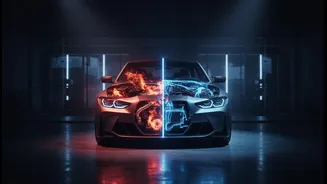
particularly Europe's stringent Euro 7 standards, would spell the end for this beloved powertrain. However, BMW's M division has charted a different course. Frank van Meel, the CEO of BMW M, has repeatedly confirmed the company's commitment to its heritage engines. The plan is not to abandon combustion but to engineer a way for it to survive alongside a new generation of electric performance cars. This dual-pronged strategy will see a new petrol-powered M3, codenamed G84, sold alongside a fully electric M3 built on the upcoming 'Neue Klasse' platform. The combustion version is expected to debut around 2028, ensuring the traditional M3 experience continues.
The Euro 7 Challenge
The primary hurdle for performance engines today is the Euro 7 emissions standard, set to take effect in late 2026. These rules don't just lower emission limits; they demand compliance across a much wider range of real-world driving conditions and for a longer vehicle lifespan. One of the biggest technical challenges involves heat management. High-performance engines have traditionally used a slightly richer fuel mixture to help cool the engine under intense load, a practice that is incompatible with Euro 7's strict requirements. According to van Meel, BMW's engineers have found a way around this without sacrificing horsepower, a significant engineering feat. This commitment stands in contrast to rivals like Mercedes-AMG, which controversially replaced the V8 in its C63 with a four-cylinder hybrid.
Technology from the Racetrack
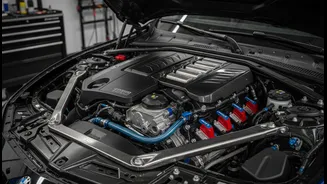
To meet these new standards, BMW is turning to motorsport-derived technology. The updated S58 inline-six engine, which will power the next-generation M3, will feature a system called 'BMW M Ignite'. This is a pre-chamber ignition system, similar to technology used in Formula 1 and on Maserati's Nettuno V6. It essentially adds a second, smaller combustion chamber to each cylinder, which allows for a more rapid, efficient, and cleaner burn, especially under high load. This innovation allows the engine to comply with Euro 7 without a heavy and complex plug-in hybrid (PHEV) system like the one found in the new BMW M5. While the next M3 will incorporate a mild-hybrid 48-volt system to improve efficiency and throttle response, it avoids the significant weight gain associated with a large battery pack.
Two M3s, Two Philosophies
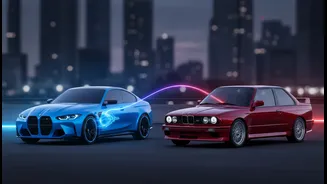
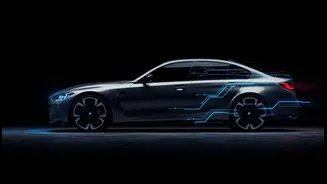
The future of the M3 is one of choice. BMW is developing two distinct versions to cater to different buyers. The electric M3, previewed by the M Concept Neue Klasse, promises staggering performance with a quad-motor setup rumoured to produce over 1,000 horsepower. It will be a showcase of BMW's most advanced electric vehicle technology. Simultaneously, the G84 M3 will carry the torch for internal combustion. It will use the evolved, Euro 7-compliant S58 inline-six, with power expected to be around 525 horsepower or more. Frank van Meel has stated that as long as there is strong global demand for combustion M cars, BMW will continue to build them. This strategy acknowledges that for many enthusiasts, the emotional connection to a petrol engine is something they are not yet ready to give up.
A Calculated Business Decision
BMW's decision is more than just an appeal to nostalgia; it's a savvy business strategy. By offering both ICE and EV options, the company avoids alienating its loyal and vocal fanbase while still investing heavily in its electric future. This 'Power of Choice' approach provides a hedge against the uncertain pace of EV adoption in different markets worldwide. It allows the brand to retain customers who might otherwise look elsewhere for a high-performance combustion vehicle. While some things may change—there are reports the manual transmission's future is uncertain—the core of the M3 experience, its inline-six engine, has been secured for another generation. It's a clear message to enthusiasts: BMW is still listening.