






The Foundation of Navratri Fasting
Navratri fasting is a spiritual practice, a ‘vrat’ or vow to honour Goddess Durga. It's a time for self-discipline and detoxification of the mind and body. The dietary rules typically involve avoiding grains like wheat and rice, lentils, onions, garlic,
non-vegetarian food, and regular table salt. Instead, devotees consume ‘vrat-friendly’ or ‘phalahari’ foods, which include fruits, dairy products, nuts, and specific flours like buckwheat (kuttu) and water chestnut (singhara). The goal is to eat a 'sattvic' diet—food that is light, pure, and promotes calmness.
The Coffee Conundrum
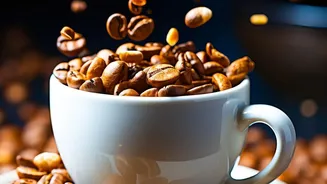
So where does coffee fit in? This is the grey area. There is no universal rule that explicitly prohibits coffee during Navratri. Since coffee beans are the seeds of a fruit, some argue they don't fall into the category of forbidden grains. Many households and individuals who observe the fast continue to drink coffee, often black or with milk if dairy is permitted in their fast. However, purists argue against it. They consider coffee a 'tamasic' or 'rajasic' item—a stimulant that can cause restlessness and disrupt the spiritual calm the fast aims to achieve. This is why some traditions strictly forbid any caffeinated beverages.
Family Traditions and Regional Variations
One of the biggest reasons a single rule doesn't apply is the immense diversity of traditions across India. Fasting practices are often passed down through families and vary significantly from one community to another. In one household, tea might be acceptable while coffee is not, based purely on generations of custom. In another, both might be permitted. In North India, the focus is heavily on specific fasting flours, while in Gujarat, 'farali' snacks are popular. Southern states like Tamil Nadu have the tradition of 'Sundal' during Golu. These regional customs, more than any scripture, often dictate what is consumed. Therefore, what is considered acceptable in your friend's home might be disallowed in yours.
Listen to Your Body: A Health Perspective
Beyond tradition, it's crucial to consider your health. Fasting already puts your body in a different state. For some, drinking coffee, especially black, on an empty stomach can lead to acidity, gastric issues, or dehydration. If you are someone who gets anxious or experiences jitters after caffeine, it might be wise to avoid it to maintain a sense of peace during your fast. However, for those who are accustomed to their daily cup, completely stopping can lead to withdrawal headaches and fatigue, which can also interfere with the fasting experience. The key is moderation and self-awareness. If you choose to drink coffee, perhaps limit it to one cup and ensure you stay well-hydrated with water, milk, or fruit juices.
Making Your Personal, Informed Choice
Ultimately, the decision to drink coffee during a Navratri fast is a personal one. There is no singular authority to give a final verdict. The most meaningful approach is to align your choice with your intention. Ask yourself why you are fasting. If the goal is detoxification and spiritual focus, and coffee hinders that by making you feel restless or acidic, it might be best to abstain. If giving it up causes severe headaches that prevent you from focusing on prayers, then a small, mindfully consumed cup might be a reasonable compromise. You could also explore alternatives like green tea, which has less caffeine, or other traditional vrat-friendly drinks. The spirit of the fast is about devotion and discipline, not rigid adherence to rules that may not suit your body or lifestyle.