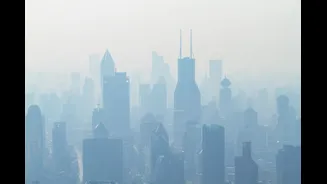









It's November in Delhi, and the air is thick with smog. You check the morning's air quality forecast, but by evening, it feels much worse than predicted. This guide explains why day-to-day pollution forecasts can be a moving target.
The Challenge of Predicting a Complex Problem
Every year, as winter
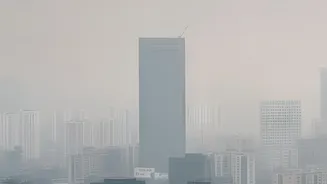
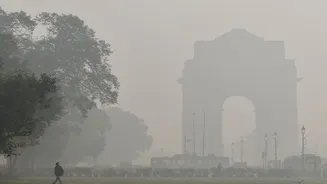
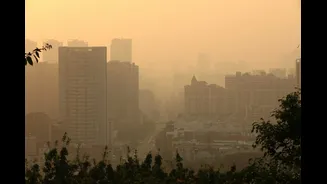
approaches, Delhi's air quality plummets, often reaching 'Very Poor' or 'Severe' levels. Official bodies like the System of Air Quality and Weather Forecasting and Research (SAFAR) and the India Meteorological Department (IMD) issue daily forecasts to help residents prepare. These forecasts are crucial for public health warnings and implementing emergency measures under the Graded Response Action Plan (GRAP). However, predicting air quality is notoriously difficult. The models must account for a complex mix of emission sources and constantly changing weather, making precise day-to-day accuracy a significant challenge.
Why Forecasts Can Miss the Mark
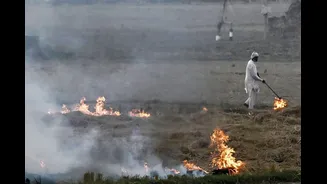
Several dynamic factors contribute to the uncertainty in air pollution forecasts. One of the biggest variables is stubble burning in neighbouring states like Punjab and Haryana. The intensity of these fires and, crucially, the wind direction that carries the smoke towards Delhi can change unexpectedly. Local weather plays an equally vital role. Low wind speeds and temperature inversions—where a layer of warm air traps cooler, polluted air near the ground—can cause pollutants to accumulate rapidly. These meteorological conditions are hard to predict with perfect accuracy more than a day or two in advance. Furthermore, forecasting models rely on 'emission inventories', which are estimates of pollution from sources like vehicles and industry. These inventories may not always be up-to-date or account for unpredictable events like wedding-season firecrackers, which can lead to sudden, unforecasted pollution spikes.
Decoding the Different Numbers
You might also notice different AQI numbers from various apps and websites, adding to the confusion. Official government sources like the Central Pollution Control Board (CPCB) and SAFAR use India's national AQI scale. However, international platforms like IQAir may use the US Environmental Protection Agency scale and different calculation methods, such as reporting real-time data versus a 24-hour average. This can result in vastly different numbers even when measuring the same air. For instance, the official CPCB index is capped at 500, while other platforms may show higher readings during extreme pollution events. These discrepancies don't necessarily mean one is 'wrong', but they highlight the importance of understanding which scale you are viewing.
Your Health in the Face of Uncertainty
The unreliability of forecasts poses a direct health risk. An unexpected surge in PM2.5 levels can catch vulnerable individuals—including children, the elderly, and those with respiratory or cardiovascular conditions—unprepared. Doctors report a rise in patients with persistent coughs, breathing difficulties, and throat irritation during these pollution episodes, affecting even healthy individuals. Relying solely on a forecast that promises 'Very Poor' air might lead you to take fewer precautions than needed if the reality turns out to be 'Severe'. This is why a proactive and cautious approach is essential, regardless of the day's prediction.
How to Protect Yourself and Your Family
Given the uncertainty, it's best to have a multi-layered defence strategy. First, monitor realtime AQI levels from a reliable source like the official CPCB or SAFAR portals. If the air outside looks hazy or you feel irritation, trust your own senses and take precautions. On days with 'Very Poor' or worse air, limit strenuous outdoor activities like running or cycling. When you must go out, wear a wellfitted N95 or N99 mask, as simple cloth or surgical masks are not effective against fine particulate matter. At home, use a HEPA filter air purifier, especially in bedrooms, and keep windows and doors closed to prevent polluted air from entering. Having a plan for highpollution days ensures you are prepared even when forecasts fall short.