






A Nutritional Powerhouse
Hummus is more than just a delicious dip; it's a nutrient-dense food that offers numerous health benefits. The primary ingredient, chickpeas, provides a fantastic source of plant-based protein and dietary fibre. This combination helps keep you feeling
full and satisfied, which can support weight management. The fibre also promotes a healthy digestive system by feeding good gut bacteria. Furthermore, hummus is packed with essential minerals like iron, magnesium, potassium, and folate. The other core ingredients are just as beneficial. Tahini, a paste made from sesame seeds, offers healthy monounsaturated and polyunsaturated fats, which are great for heart health. Olive oil contributes to this heart-healthy profile, while garlic provides anti-inflammatory properties.
The Brightness of Lemon
While traditional hummus is fantastic, adding a generous amount of fresh lemon juice and zest elevates it to another level. The bright, tangy flavour cuts through the richness of the tahini, making the dip feel lighter and more refreshing. Lemon juice not only adds a burst of freshness but also contributes a healthy dose of Vitamin C. It also helps to create a smoother, creamier texture when blended with the other ingredients. For this recipe, using freshly squeezed lemon juice is key; the flavour is far superior to bottled alternatives and provides the zesty kick that makes this version so special. The zest of the lemon peel contains essential oils that impart an even more intense and aromatic citrus flavour, making every bite a delight.
Easy Homemade Lemon Hummus Recipe
Making creamy hummus at home is surprisingly simple and allows you to control the ingredients and flavour. Ingredients: - 1 can (approx. 400g) of chickpeas, drained and rinsed - 1/4 cup of good quality, runny tahini - 1/4 cup of freshly squeezed lemon juice (about 1 large lemon) - 1 garlic clove, minced - 2 tablespoons of extra virgin olive oil - 1/2 teaspoon of salt, or to taste - Zest of one lemon - 2-3 tablespoons of ice-cold water or aquafaba (the liquid from the chickpea can) Instructions: 1. In a food processor, combine the tahini and lemon juice. Blend for about a minute until the mixture is whipped and creamy. This step is crucial for a smooth final product. 2. Add the olive oil, minced garlic, lemon zest, and salt to the food processor. Blend for another 30 seconds to combine everything well. 3. Add half of the chickpeas to the processor and blend for one minute. Scrape down the sides, then add the remaining chickpeas and blend until thick and smooth, which may take another 1-2 minutes. 4. While the processor is running, slowly drizzle in 2-3 tablespoons of ice-cold water. This is the secret to achieving an ultra-creamy, fluffy texture. Continue blending for another minute or until you reach your desired consistency. 5. Taste the hummus and adjust the seasoning if needed. You might want more salt, lemon juice, or garlic. Serve immediately with a drizzle of olive oil on top, or store in an airtight container in the refrigerator for up to a week.
Beyond the Pita Bread
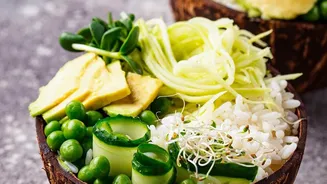
While classic warm pita bread is a perfect partner for hummus, there are many other creative and delicious ways to enjoy this versatile dip. For a healthier, low-carb option, serve it with an array of fresh vegetable sticks like carrots, cucumbers, bell peppers, and celery. It also works wonderfully as a spread on sandwiches and wraps, providing a healthier and more flavourful alternative to mayonnaise. You can thin it out with a little extra lemon juice and water to create a creamy salad dressing. For a more substantial meal, use it as a base for a 'hummus bowl' topped with grilled vegetables, falafel, or chicken. It can even be used as a base for a quick pizza or stirred into pasta for a creamy sauce.