






The Foundation: Quality of Ingredients
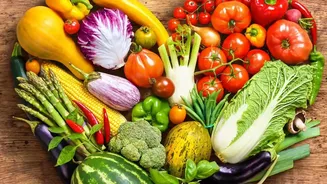
The first and most fundamental element of a high-value meal is the quality of its components. A dish built on fresh, locally sourced, or premium ingredients inherently offers more than one made from cheaper, mass-produced alternatives. Think of a salad
with crisp, seasonal greens and a vibrant, house-made vinaigrette versus one from a bag. Or a fish curry made with a freshly caught fillet compared to a frozen one. While the former might cost more, its flavour, texture, and nutritional payoff are significantly higher. Over half of consumers cite quality as a crucial factor in determining if an item is worth its price. This is because high-quality ingredients not only taste better but often require less manipulation to shine, reflecting a respect for the food itself that translates directly to the dining experience.
The Artistry: Skill in the Kitchen
A meal's value is also a direct reflection of the chef's expertise and the labour involved in its creation. A simple-looking dish might be the result of complex techniques, hours of preparation, and years of honed skill. Consider a perfectly executed biryani, with its distinct layers of flavour and aroma, or a delicate dessert that balances textures and temperatures. These are things that are difficult to replicate at home. This 'uniqueness' is a key driver of value for many diners. You are not just paying for ingredients; you are paying for the culinary creativity, the consistent execution, and the time someone else invested to create a dish that you couldn't, or wouldn't, make yourself. That expertise transforms simple raw materials into a memorable experience.
The Atmosphere: The Overall Experience
Value isn't confined to the plate. The entire dining environment contributes to how we perceive a meal. In fact, studies show that over 80% of consumers believe good service and a pleasant experience enhance the perceived value of a meal. A welcoming ambiance, attentive and friendly staff, comfortable seating, and even pleasant lighting can elevate a meal from mere sustenance to a cherished event. For many, the experience is actually more important than the price. This emotional payoff—feeling relaxed, cared for, and delighted—is a powerful component of value. When a restaurant creates a special atmosphere, it offers a form of escapism and pleasure that adds significant, albeit intangible, worth to the final bill.
The Payoff: Nutritional Density
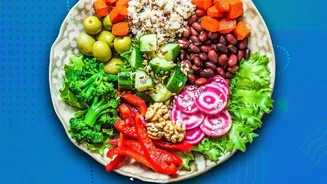
Beyond the immediate gratification of taste, a truly valuable meal delivers on a nutritional level. This concept, known as nutrient density, refers to the amount of beneficial nutrients like vitamins, minerals, protein, and fibre a food contains relative to its calories. A meal packed with these essentials offers a better 'return on investment' for your body's health and wellbeing. For example, a lentil soup or a salad with grilled chicken provides sustained energy and vital nutrients, making them a higher-value choice than a similarly priced meal of fried, processed food that offers mostly 'empty' calories. Choosing nutrient-dense foods is a way of investing in your long-term health, and that contribution to your wellbeing is a crucial, though often overlooked, aspect of a meal's total value.
The Modern Factor: Convenience and Innovation
In our fast-paced lives, convenience itself has become a valuable commodity. A meal that saves you the time and effort of shopping, cooking, and cleaning up offers a distinct form of value. However, convenience doesn't have to mean compromising on quality. Restaurants that offer unique and innovative dishes provide a different kind of value: the thrill of trying something new. More than half of consumers say that innovation alone increases the value of a menu option. When a chef presents a creative flavour combination or a modern take on a classic dish, they are offering an experience of discovery. This craveability and uniqueness are major factors that drive traffic and make a meal feel special and worth the expense.