





The Case for a Quiet Mat
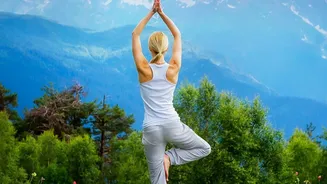
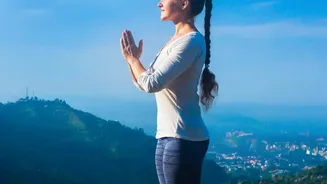
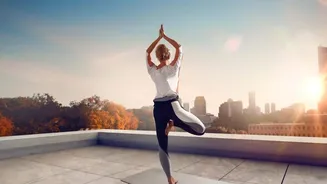
The appeal of yoga lies in its accessibility and its profound, quiet impact on the nervous system. A session doesn't require travel, expensive gear, or a full day's commitment. It’s a practice you can weave into your daily life. The primary benefit of a regular
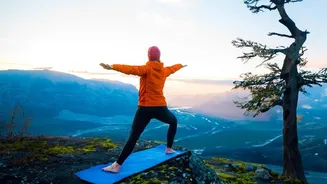
yoga practice is its ability to directly counteract the body's stress response. Through controlled breathing (pranayama) and mindful postures (asanas), yoga helps lower levels of cortisol, the hormone associated with chronic stress. This practice activates the parasympathetic nervous system, shifting you from a state of 'fight-or-flight' into 'rest and restore'. This consistent, gentle intervention helps build mental resilience over time. It’s not about a single, dramatic escape but about building a sustainable habit that keeps stress from accumulating, improving mental clarity and emotional stability day by day.
The Call of the Wild
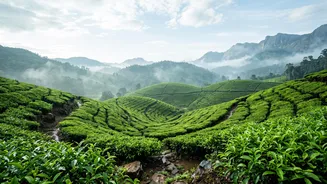
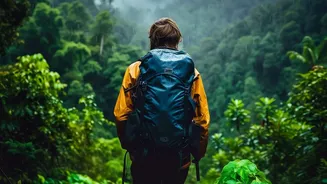
In contrast, trekking offers a complete environmental and psychological reset. The goal is not just exercise, but escape. Removing yourself from the urban environment—and the constant digital tethers that come with it—can be a powerful antidote to feeling overwhelmed. The physical exertion of a trek releases endorphins, the body’s natural mood enhancers, providing an immediate lift. But the benefits go deeper. Spending time in nature, often called 'ecotherapy', has been shown to reduce anxiety and mental fatigue. The challenge of navigating a trail and reaching a summit provides a tangible sense of accomplishment that can restore feelings of competence and self-confidence, which are often eroded by burnout. A weekend in the Himalayas or the Western Ghats is a powerful reminder that there is a world beyond your inbox.
Daily Ritual vs. Weekend Reset
The choice between yoga and trekking is a choice between two different philosophies of stress management. Yoga is a form of daily maintenance. It’s like tending to a garden, consistently watering and weeding to ensure long-term health. It addresses the low-level, chronic anxiety that hums in the background of a busy life. It teaches you to manage stress within your environment. Trekking, on the other hand, is a pressure-release valve. It’s a complete system flush. It works best for those who feel trapped and need a dramatic shift in perspective to break the cycle of stress. While yoga is a low-impact activity suitable for most fitness levels, trekking is a cardiovascular workout that demands a higher level of physical preparedness. One is about building inner peace amidst the chaos; the other is about leaving the chaos behind to find peace.
Which Path Is Yours?
Deciding which is better for you depends on your personality, your schedule, and the nature of your burnout. If your schedule is packed and unpredictable, a 20-minute daily yoga practice at home might be far more realistic than planning a weekend away. If you are seeking quiet introspection and mindfulness, yoga’s focus on the self is ideal. However, if you feel stagnant and uninspired, and you thrive on adventure and new experiences, the novelty and physical challenge of trekking may be more restorative. Consider your social needs as well. While yoga can be a solitary practice, group classes offer a sense of community. Similarly, trekking can be a solo journey of discovery or a bonding experience with friends. There's no wrong answer, only the one that you will stick with.