





The Annual Tax Scramble in India
For most salaried individuals in India, July 31st is a date marked by a sense of urgency. It's the primary deadline for filing income tax returns for the previous financial year. The period is often characterised by a flurry of activity: downloading Form
16s, reconciling statements, and navigating the e-filing portal to avoid late fees and penalties. For business owners and professionals whose accounts don't require an audit, the deadline extends to August or October, but the pressure remains a constant feature of the country's fiscal landscape. This annual exercise is crucial for the functioning of the Indian economy, as income tax forms a significant part of the government's revenue, funding everything from infrastructure to public services.
A World Without Personal Income Tax
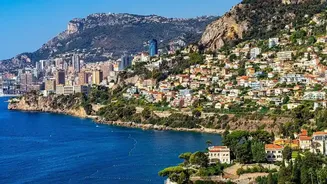
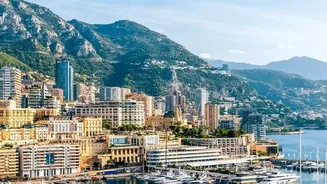
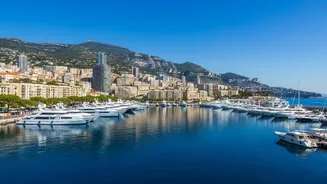
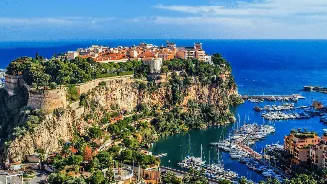
Thousands of miles away on the French Riviera lies the Principality of Monaco, a sovereign city-state where residents experience a completely different reality. Since a decree by Prince Charles III in 1869, Monaco has not levied any personal income tax on its residents. This applies to income from salaries, investments, capital gains, and dividends. The decision was originally made to attract wealthy tourists and residents after the principality lost most of its territory and agricultural income sources to France in the mid-19th century. This policy turned Monaco into a famed 'tax haven', attracting the global elite, from business tycoons to Formula One drivers.
So, How Does the Government Make Money?
If residents don't pay income tax, how does Monaco afford its pristine streets, robust security, and public services? The government has a diversified revenue model. The single largest contributor is Value Added Tax (VAT), which is levied at the same rates as in France, with the standard rate at 20%. VAT alone is estimated to account for about half of the state's revenue. Another major source is a corporate profits tax. This tax, currently at 25%, is only applied to companies that generate more than 25% of their turnover outside of Monaco. The state also earns significant income from its monopolies in sectors like tobacco and postal services, as well as from state-owned enterprises, including the world-famous Monte Carlo Casino. Real estate transactions, which are subject to high registration duties, also contribute substantially.
The Catch: It’s Not for Everyone
Before you pack your bags, it's important to understand that this tax-free life is highly exclusive. Becoming a resident of Monaco is a formidable process. Applicants must prove they have secured accommodation, which, in one of the world's most expensive real estate markets, is a challenge in itself. Secondly, you must demonstrate sufficient financial resources. This typically involves depositing a substantial sum, often cited as at least €500,000, into a Monaco bank. Finally, applicants must have a clean criminal record and pass a formal interview. The principality is looking for financially independent individuals or those who can contribute to the local economy, not those seeking employment.
Not Entirely Tax-Free
The 'no income tax' rule also has a major exception. Due to a 1963 bilateral agreement, French nationals who move to Monaco are generally still subject to French income tax, as if they were living in France. This was a measure by France to prevent its own citizens from using Monaco as a tax loophole. Furthermore, while there is no income tax, there are other financial obligations. Social security contributions are mandatory for employees and employers, and the cost of living, particularly housing, is exceptionally high. While there's no annual property tax, duties on property transfers are steep. Inheritance tax is zero for direct descendants and spouses, but it applies to other relatives and non-relatives on assets located in Monaco.