






A New Interdisciplinary Approach
In response to a critical national need, IIT Madras has strengthened its focus on the intersection of technology and energy. While not a single new programme, the institute offers multiple pathways, most notably the Interdisciplinary Dual Degree (IDDD)
in Energy Systems and several postgraduate options that integrate high-level computation. The IDDD allows undergraduate students to specialise, equipping them with skills to tackle the evolving complexities of the energy sector. This approach is a direct answer to the growing realisation that modern energy challenges—from grid management to renewable integration—are fundamentally data and computation problems. These programmes bring together multiple engineering departments, including Mechanical, Electrical, and Computer Science, to provide a holistic understanding of the energy landscape.
Why Energy Needs Computing Skills
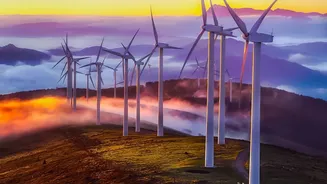
The energy sector is undergoing a massive transformation. Gone are the days of simple, predictable power grids. Today, the system must manage intermittent renewable sources like solar and wind, balance demand from electric vehicles, and optimise for efficiency to reduce carbon emissions. This is where applied computing becomes essential. Skills in data science, artificial intelligence (AI), and machine learning (ML) are now critical for forecasting energy production and consumption, preventing blackouts, and managing smart grids. For instance, AI algorithms can predict when a wind turbine might need maintenance, long before a breakdown occurs, saving time and money. This fusion of disciplines is crucial for creating a reliable, sustainable, and cost-effective energy future for India.
Core Skills and Curriculum
Students in these energy-focused programmes gain a unique blend of technical expertise. The curriculum is built on a strong foundation of core engineering principles, supplemented by specialised courses. Key subjects include Renewable Energy Technology, Principles of Thermal Energy Conversion, and Materials for Energy Storage and Conversion. This is where the synergy happens: students learn about solar panels and wind turbines, and also the computational techniques to model their performance and integrate them into the grid. Electives allow for further specialisation in areas like Power Electronics, which is vital for managing electricity flow, or AI applications for energy systems. Students also study Energy Economics, providing context on policy, pricing, and energy markets. A significant part of the programme involves a research project, allowing students to apply their knowledge to real-world problems.
Career Paths at the Forefront of Innovation
Graduates with these interdisciplinary skills are highly sought after in a rapidly growing sector. They are perfectly positioned for roles in renewable energy companies, power utilities, technology firms developing energy solutions, and government agencies shaping energy policy. Potential job titles include Energy Analyst, Power Systems Modeler, Smart Grid Specialist, and Project Manager for renewable energy projects. These professionals work on diverse challenges, from designing more efficient battery storage systems to developing software that helps consumers manage their energy use. The demand is driven by both legacy energy companies undergoing digital transformation and a new wave of green-tech startups. Furthermore, the research-oriented nature of the coursework provides a strong foundation for pursuing higher studies at top global universities.
Who Are These Programmes For?
The Interdisciplinary Dual Degree in Energy Systems is designed for existing B.Tech students at IIT Madras who have demonstrated strong academic performance and wish to specialise. Any undergraduate student can apply for the programme during their fifth semester, making it an accessible pathway for those who develop an interest in the energy sector during their studies. The broader M.Tech and joint master's programmes, such as the one in Sustainable Energy Systems with the University of Birmingham, are aimed at engineering graduates from across the country who want to pivot towards this high-impact field. These programmes seek motivated individuals with a strong analytical background and a passion for solving some of the world's most pressing environmental and technological challenges.