


Beyond the Basics of Gluten-Free
For years, gluten-free cooking often meant relying on a limited pantry of rice, corn, and potato-based flours. While useful, this can lead to a monotonous diet lacking in diverse nutrients and textures. The good news is that a world of ancient grains
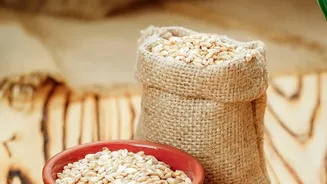
is becoming more accessible, and two of the most exciting are teff and millet. These grains are not just substitutes; they are powerful ingredients in their own right, celebrated for their nutritional benefits and culinary flexibility. They provide an opportunity to add new flavours, textures, and a host of vitamins and minerals to your daily meals, moving you from simple avoidance of gluten to the creative pursuit of flavour.
Meet Teff: The Tiny Nutritional Giant
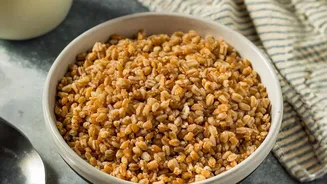
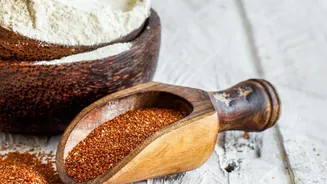
Teff is the world's smallest grain, so tiny that a single handful can sow an entire field. Originating from Ethiopia and Eritrea, it’s the traditional grain used to make injera, a spongy flatbread. But its benefits go far beyond its size. Teff is a nutritional powerhouse, leading all other grains in calcium content. It's also an excellent source of iron, protein, and dietary fibre. One of its most significant features is its high content of resistant starch, a type of fibre that supports blood sugar management and gut health. Its flavour is wonderfully complex, with milder, ivory varieties having a light taste and darker ones offering earthy, nutty, and even subtle chocolatey notes.
Creative Ways to Cook with Teff
While you can certainly try making traditional injera, teff's versatility shines in everyday cooking. The whole grains can be cooked into a creamy, comforting porridge for breakfast, similar to polenta. For a lighter texture, you can toast the grains before cooking to serve as a fluffy bed for stews and curries. Teff flour is where the real magic happens for home bakers. Its natural binding properties and rich flavour make it an incredible addition to gluten-free recipes. It creates wonderfully moist and fudgy brownies, flavourful chocolate chip cookies, and hearty pancakes and waffles. You can also add the whole grains to soups as a thickener or sprinkle them over salads for a bit of texture.
Millet: The Versatile Indian Staple
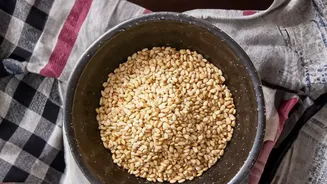
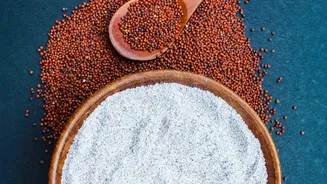
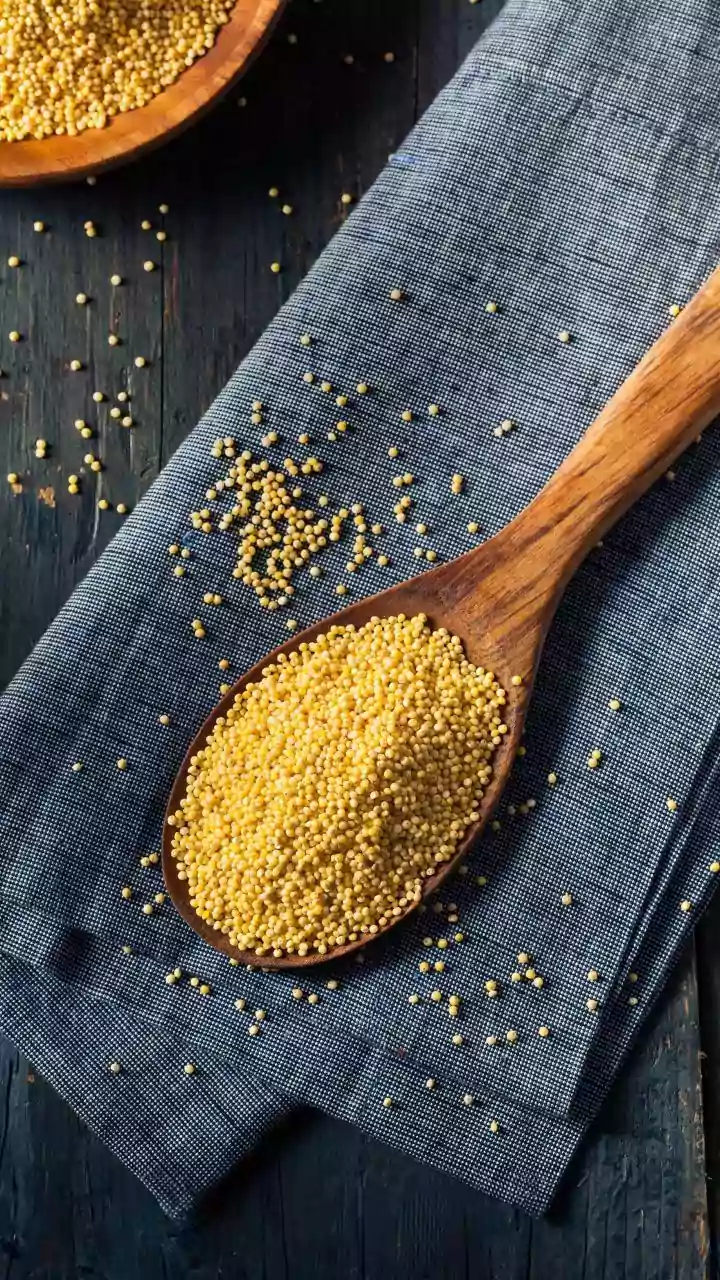
Unlike teff, which might be a new ingredient for many, millets are a familiar staple in Indian households. This diverse group of small-seeded grains includes well-known varieties like bajra (pearl millet), jowar (sorghum), and ragi (finger millet). For centuries, these grains were a cornerstone of the Indian diet before wheat and rice became dominant. Today, they are celebrated for their resilience in dry climates and their impressive nutritional profiles. Millets are naturally gluten-free and packed with fibre, protein, B-vitamins, and minerals like iron, calcium, and magnesium. Their high fibre content aids digestion and promotes a feeling of fullness, making them excellent for weight management.
Easy and Inspired Millet Meals
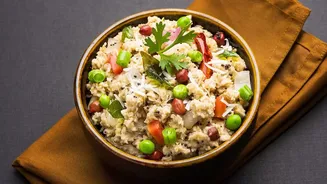
Integrating millets into your diet is incredibly simple. You can cook them just like rice and serve them as a fluffy, nutrient-dense substitute. Foxtail millet, for example, makes a wonderful upma or pulao. Cooked and cooled little millet is a perfect base for a refreshing Mediterranean salad. Because many millets are already available as flours, they can be easily used to make traditional Indian flatbreads like bajra rotis or jowar bhakris. Ragi flour is famously used for dosas and can also be mixed into pancake or cake batter for a calcium-rich treat. You can even make a healthy, creamy risotto using kodo millet, which holds its shape well during slow cooking.