






The Specialist's Dilemma
For decades, the standard career advice has been to specialise. The thinking was simple: become an expert in a niche field, and you will always be in demand. This created generations of professionals who drilled deep into specific areas like coding, accounting,
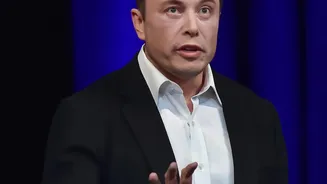
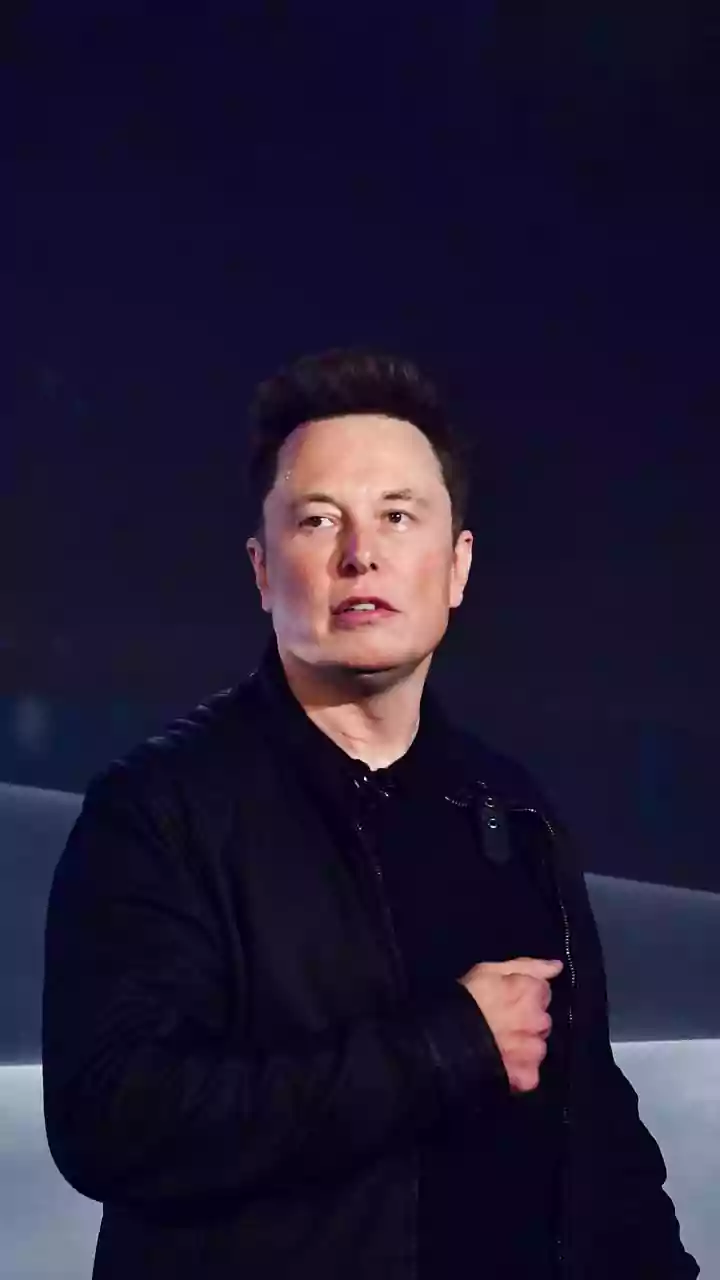
or a particular type of law. However, the rise of artificial intelligence is challenging this wisdom. AI excels at performing narrow, well-defined tasks with superhuman efficiency. As a result, the very jobs that once seemed secure due to their specialisation are now among the most vulnerable to automation. Musk's perspective is that as AI handles more of the specialised execution, the human advantage will shift. Recent comments from Musk and other tech leaders suggest a consensus is forming that AI will significantly alter the workplace, not necessarily by causing mass unemployment, but by evolving the roles workers play.
Become an ‘Expert Generalist’
Musk’s advice is to become what some call an “expert generalist”—a person who has deep knowledge in one or two areas but also a broad, functional understanding of many others. This approach runs contrary to the old saying, “a jack of all trades is a master of none.” Instead, it suggests that having a wide range of knowledge allows you to connect ideas in ways that specialists cannot. This ability to see the bigger picture is crucial in a world where technology is breaking down the walls between industries. A person who understands engineering, psychology, and economics can frame a problem more effectively than someone who only understands code. This cross-disciplinary thinking is what allows for true innovation—combining principles from one field to solve a problem in another.
Learning as a Semantic Tree
To explain his learning method, Musk uses the analogy of a “semantic tree.” He advises learners to first understand the fundamental principles of a subject—the trunk and the main branches—before delving into the details, or the leaves. Without a solid grasp of the core concepts, there is nothing for the finer details to hang on to. This first-principles approach allows him to deconstruct complex subjects, from rocket science to artificial intelligence, and rebuild them from the ground up. By focusing on the trunk first, you build a strong foundation that can support knowledge from various fields. This prevents you from getting lost in minor details and enables you to see the connections between different branches of knowledge, which is the essence of being a generalist.
Directing the Robotic Workforce
So, how does this relate to directing future robots? Musk envisions a future where humanoid robots are commonplace, capable of performing a vast range of tasks, from building a castle to providing care. In this scenario, the most valuable human skill won't be performing the task itself, but knowing what to ask the robot to do. This is where broad knowledge becomes a superpower. To give effective commands to an advanced AI or a physical robot, you need context. A person with a wide-ranging education in the arts, sciences, and humanities will be better equipped to formulate clear, creative, and useful requests. In essence, the job shifts from being a 'doer' to being a 'director'—the one who has the vision and understanding to guide powerful technological tools.
How to Start Building Broad Knowledge
Adopting Musk’s learning philosophy doesn’t require enrolling in multiple degree programs. It starts with a mindset shift towards continuous and curious learning. Begin by identifying the fundamental principles of the new field you want to explore, perhaps by reading introductory textbooks or reputable overview articles. Read widely and outside your immediate area of expertise. Connect what you're learning to what you already know, constantly building your semantic tree. Try to explain new concepts to others to test your understanding. The goal isn't to become the world's leading expert in everything, but to build a mental toolkit that allows you to adapt, innovate, and lead in a future where the ability to ask the right questions is more valuable than having all the answers.