


Why Sourdough Makes Superior Croutons
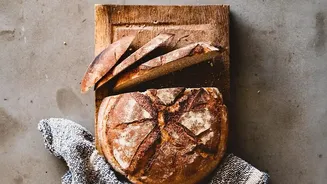
Not all breads are created equal when it comes to making croutons, and sourdough has a distinct advantage. Its naturally sturdy structure and chewy crumb mean it can withstand the heat of the oven without turning to dust. Instead of becoming overly hard,
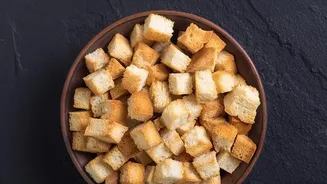
it develops a satisfyingly crisp exterior while retaining a slight, pleasant chew on the inside. Day-old or even several-day-old sourdough is ideal for this, as it has less moisture and will crisp up more effectively. The bread’s characteristic tangy flavour also provides a delicious, complex base that pairs wonderfully with a variety of seasonings, making your homemade croutons taste far more interesting than anything you could buy in a box.
The Simple Step-by-Step Method
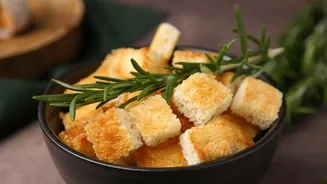
Making croutons in the oven is one of the easiest kitchen tasks you can undertake. First, preheat your oven to around 180-200°C (350-400°F). While it heats, cut your sourdough into cubes of your desired size, aiming for relative uniformity so they cook evenly. Place the cubes in a large bowl, drizzle generously with olive oil, and toss until they are lightly coated. Sprinkle with salt, pepper, and any other seasonings you're using. Spread the seasoned bread cubes in a single layer on a baking sheet; giving them space is key to ensuring they toast rather than steam. Bake for 15 to 25 minutes, tossing them halfway through, until they are golden brown and audibly crunchy. The exact time will depend on the size of your cubes and how dry your bread was to begin with.
Get Creative With Flavours
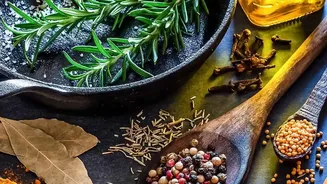
While a simple combination of olive oil and salt is delicious, croutons are a blank canvas for flavour. A classic and beloved choice is to add garlic powder and Italian herbs for a savoury, all-purpose crouton. Grated Parmesan cheese, tossed with the bread cubes before baking, creates wonderfully cheesy, crunchy bits. For a bit of a kick, try adding a sprinkle of smoked paprika or red pepper flakes. You can also create seasoning blends for specific dishes, such as ranch seasoning for a zesty salad topper or a mix of chili powder and cumin for a taco salad. Don't be afraid to experiment with fresh herbs like rosemary or thyme, but add them in the last few minutes of baking to prevent them from burning.
More Than Just a Salad Topper
Your homemade croutons have a place in many more dishes than just a Caesar salad. Use them to add a satisfying crunch to creamy tomato soup, French onion soup, or a hearty butternut squash purée. If you have larger croutons, they can serve as the base for canapés or crostini at your next gathering. If any croutons start to lose their perfect crunch after a few days, or if you simply have too many, pulse them in a food processor to create flavourful breadcrumbs. These can be used to coat chicken or fish, top a baked casserole, or bind meatballs.
How to Store Them for Lasting Crunch
The most important rule of storing homemade croutons is to let them cool completely before putting them away. Any residual warmth will create steam and moisture, which is the enemy of crunch. Once cool, transfer them to an airtight container or a resealable bag. Stored in a cool, dry place like a pantry, they should stay fresh for about one week, though some sources suggest they can last up to two. Avoid storing them in the refrigerator, as the humid environment can make them go soft. If you make a very large batch, croutons also freeze beautifully for several months.