

A Choreographed Dance in Zero-G
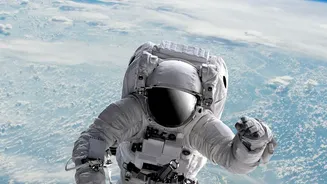
On November 5, NASA astronaut Anil Menon and Canadian Space Agency (CSA) astronaut Joshua Kutryk ventured out of the Quest airlock for a mission almost seven hours long. The spacewalk, officially designated U.S. EVA 101, was the 286th in the station's
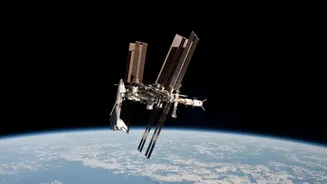
history dedicated to assembly and maintenance. For nearly seven hours, the pair worked meticulously in the vacuum of space, approximately 420 kilometres above Earth, to install the station's eighth and final new solar array. Kutryk, identifiable by the red stripes on his suit, served as the lead spacewalker, while Menon, on his fifth career spacewalk, brought veteran experience to the complex task. The operation required precise coordination with mission control in Houston and fellow astronauts inside the station, who operated the Canadarm2 robotic arm.
The Final Piece of a Power Puzzle
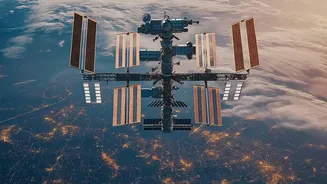
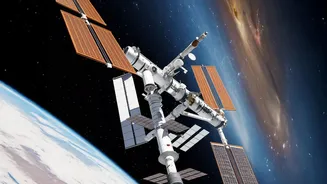
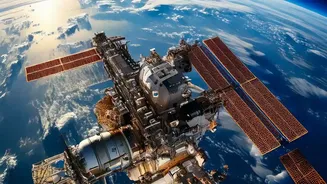
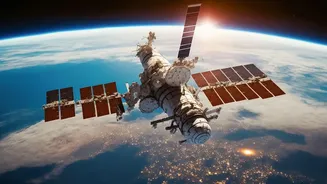
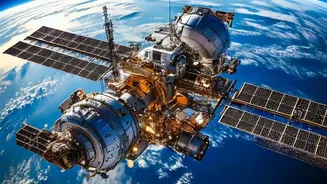
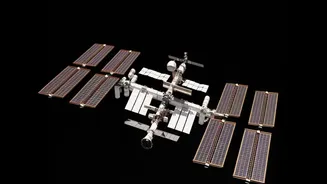
The primary goal was to install the last of eight ISS Roll-Out Solar Arrays, known as iROSAs. This ambitious power grid upgrade began back in 2021 to augment the station's ageing original solar panels, which have been degrading after more than two decades in the harsh space environment. The new, more efficient arrays are installed over parts of the original ones. During the spacewalk, Menon was carried by the Canadarm2 robotic arm, holding the 340-kilogram rolled-up array, to the worksite on the station's starboard truss structure. The astronauts then mounted the device and connected its cables to the station's 3B power channel.
Overcoming On-the-Job Challenges
Even with meticulous planning, space construction rarely goes exactly as scripted. The team encountered a hurdle when mission control detected an issue with the electrical connection after the cables were attached. This prevented the immediate deployment of the new array. Displaying the problem-solving skills essential for spaceflight, the ground teams and astronauts worked together to troubleshoot the connection. They inspected the connectors and waited for the station to pass into Earth's shadow to safely resolve the issue. Their persistence paid off, and after receiving a good power reading, they were cleared to release the bolts and unfurl the new array, which successfully rolled out like a long carpet over about 12 minutes.
More Power, More Science
Completing this final installation is a significant milestone for the International Space Station. The eight iROSAs collectively boost the station's power generation capacity by up to 30 percent, raising it from 160 kilowatts to about 215 kilowatts. This extra power is not just for keeping the lights on. It is critical for supporting the growing number of scientific experiments conducted on board, which benefit humanity back on Earth. The upgrade also ensures the station has robust power to sustain its operations until its planned deorbit in 2030, solidifying its role as a premier laboratory in orbit and a testbed for future deep-space missions. This international effort showcases how collaboration is key to the future of human space exploration.