








The Economics of Eating Seasonally
The simplest rule of supply and demand governs the price of your vegetables and fruits. When a particular item is in season, it grows in abundance, flooding the market. This surplus naturally drives down the cost. Supermarkets may offer a wide array of produce
year-round, but those unseasonal berries or mangoes come with a hefty price tag, reflecting the high costs of transportation, cold storage, and a longer supply chain. In contrast, local markets thrive on seasonality. The produce is harvested at its peak, which not only means it is bursting with flavour and nutrients but also that it's available in large quantities, making it significantly cheaper for the consumer.
Why the Mandi Beats the Supermarket
Supermarkets have major overheads: rent for prime retail space, electricity for lighting and refrigeration, marketing budgets, and salaries for a large staff. These costs are built into the price of every item they sell. Furthermore, their produce often travels through a complex network of distributors and middlemen before it reaches the shelf. A local market or mandi operates on a much simpler, direct-to-consumer model. Farmers or small vendors sell their produce directly, cutting out multiple layers of intermediaries. This shortened supply chain means fewer transportation costs and no need for expensive packaging or long-term storage, and those savings are often passed directly to you.
A Smart Shopper's Market Strategy
Navigating a bustling local market can be an art, but a few simple strategies can help you maximize your savings. Try visiting early in the morning for the best and freshest selection, or go later in the day when vendors may be willing to offer discounts to clear their remaining stock. Building a friendly rapport with a regular vendor can also lead to better prices and higher quality produce over time. In many traditional markets, bargaining is a normal part of the transaction. While it's important to be respectful, don't be afraid to negotiate, especially if you are buying in larger quantities. A polite negotiation is often expected and can lead to a fair price for both you and the seller.
Look for Abundance, Not Perfection
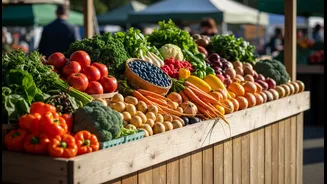
Supermarkets have conditioned us to expect perfectly shaped, blemish-free produce. However, this aesthetic perfection often comes at a higher price and doesn't necessarily indicate better quality. At a local market, the key to finding value is to look for what’s abundant. If you see a vendor with a mountain of tomatoes or spinach, it's a clear sign that the item is in peak season and at its most affordable price. Don't shy away from slightly misshapen or imperfect-looking vegetables. These are often just as nutritious and flavourful as their picture-perfect counterparts but can be purchased for much less. Farmers know that clean, well-sorted produce can attract better prices, but true value lies in freshness, not appearance.
What to Buy and When
Aligning your shopping list with India's diverse seasons is the ultimate way to save. Summers are the time for juicy mangoes, watermelons, and muskmelons. The monsoon brings a bounty of corn, cucumbers, and gourds. As winter arrives, the markets fill with leafy greens like spinach and fenugreek, along with carrots, peas, and cauliflower, often at rock-bottom prices. Paying attention to these natural cycles ensures you are not only getting the best prices but also the most flavourful and nutrient-dense food available. Produce that is grown and consumed in its natural season is simply healthier and tastes better.
More Than Just Savings
While the financial benefits are significant, shopping at local markets offers value beyond the price tag. The produce is exceptionally fresh, often picked just a day or two before being sold, which means it retains more of its vitamins and minerals. Your purchases directly support local farmers and their families, strengthening the community's economy. It’s also an environmentally friendlier choice. Buying local drastically reduces food miles—the distance food travels from farm to plate—which in turn lowers carbon emissions from transportation. This conscious choice contributes to a more sustainable and resilient local food system.