


A World Beyond Spice and Oil
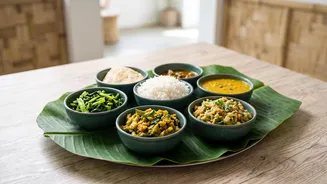
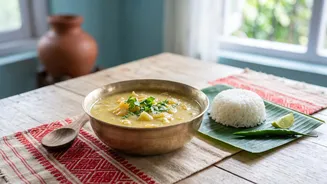
Forget the rich, heavy curries often associated with mainstream Indian food. The cuisine of the eight Northeastern states is built on a different philosophy. It's a culinary world defined by freshness, simplicity, and a deep connection to the land. Cooking
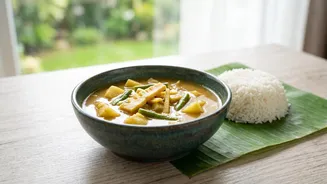
methods here favour boiling, steaming, and smoking over heavy frying, using minimal oil and spices. The goal is not to mask ingredients, but to celebrate their natural, earthy tastes. This results in dishes that are light, yet intensely flavourful, relying on wild herbs, foraged greens, and distinctive preservation techniques to create a profile that is entirely unique.
The Magic of Fermentation and Smoking
Two ancient techniques are the soul of Northeastern cooking: fermentation and smoking. Developed out of necessity to preserve food, these methods have become the source of the region’s most iconic flavours. Ingredients like 'axone' or 'akhuni' (fermented soybeans) from Nagaland and 'hawaijar' from Manipur add a powerful, savoury, umami depth to stews and chutneys. Similarly, smoking meat and fish over slow fires imparts a rich, rustic flavour that cannot be replicated. These techniques, once born of survival, are now celebrated for the complex and beloved tastes they create, from Nagaland's famous smoked pork to Manipur's 'Iromba' chutney.
Spotlight on Star Ingredients
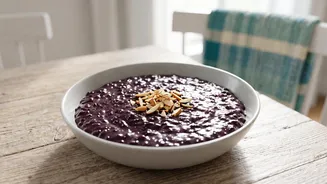
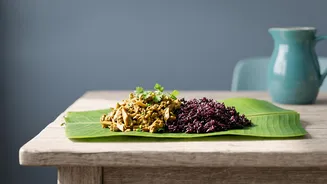
The focus on Northeast Indian food has also brought its star ingredients to the forefront. The Bhut Jolokia, or ghost pepper, once known only for its record-breaking heat, is now appreciated for its fruity undertones in sauces and pickles. Bamboo shoots, used fresh, dried, or fermented, provide a signature tangy crunch to countless dishes. The cuisine makes extensive use of local greens and herbs that are foraged from forests, such as fish mint and Naga basil, adding layers of freshness. Other unique staples include Lakadong turmeric from Meghalaya, known for its high curcumin content, and sticky black rice, which is used in desserts like 'chak-hao kheer'.
A New Generation of Culinary Ambassadors
The rising popularity of this cuisine is not happening by accident. It is being driven by a new generation of chefs, entrepreneurs, and food bloggers from the Northeast. Figures like Karen Yepthomi of Dzukou Tribal Kitchen in Delhi, Tanisha Phanbuh of Tribal Gourmet, and MasterChef India alumni like Nambie Jessica Marak are passionately reclaiming their culinary heritage. Through restaurants, pop-ups, and social media, they are demystifying the food, challenging stereotypes, and introducing a national audience to the authentic tastes of their homes. This visibility has sparked curiosity and created a space for a food culture that was long underrepresented in India's mainstream dining narrative.
The Modern Appeal of Ancient Practices
In an era of wellness and mindful eating, the principles of Northeastern cuisine feel incredibly modern. The emphasis on locally sourced, seasonal, and often organic ingredients aligns perfectly with the 'farm-to-table' movement. Traditional cooking methods that use little to no oil and preserve nutrients cater to health-conscious diners. The fermented foods, rich in probiotics, are also gaining recognition for their health benefits, including improved digestion and nutrient absorption. This combination of health, sustainability, and unique flavour makes it a cuisine that resonates deeply with contemporary food trends.