


Start with Art in Florence
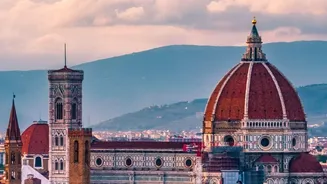
Begin your journey in Florence, the cradle of the Renaissance. A car is a liability within the city's historic center, which is a restricted traffic zone (ZTL), so save the rental for your departure. Spend your first two days immersing yourself in art.
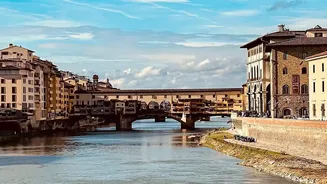
To avoid burnout, be selective. Book tickets in advance for the Uffizi Gallery to see Botticelli’s masterpieces and the Accademia Gallery for Michelangelo’s David. Beyond the main attractions, wander across the Ponte Vecchio bridge, explore the artisan quarter of Oltrarno, and climb to Piazzale Michelangelo for a stunning sunset panorama of the city. This is your time to soak in the urban energy before embracing the countryside's slower rhythm. When it's time to leave, pick up your rental car from the airport or a location outside the ZTL to avoid fines.
The Chianti Classico Wine Route
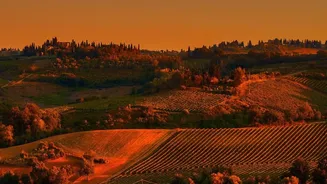
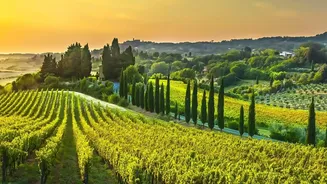
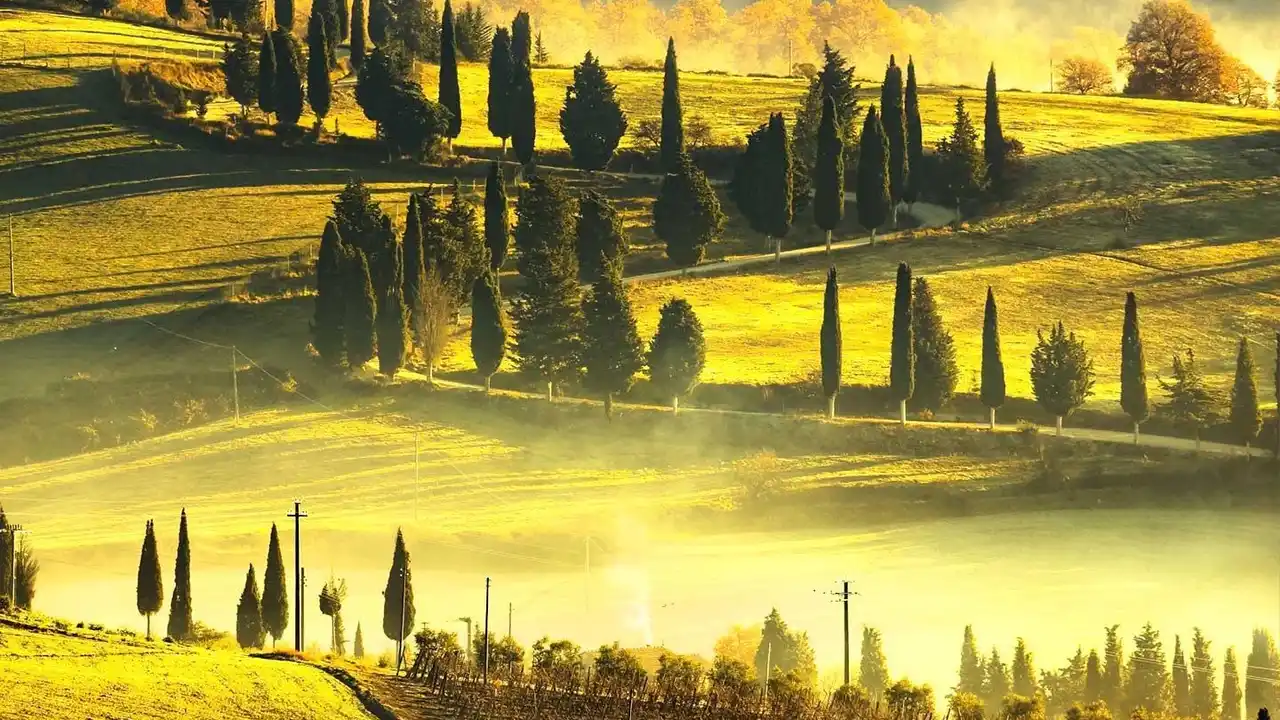
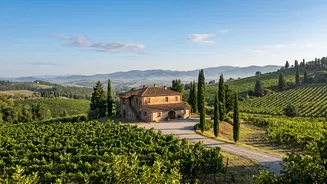
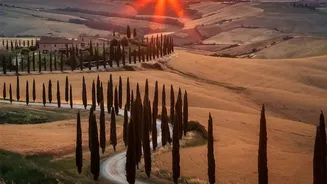
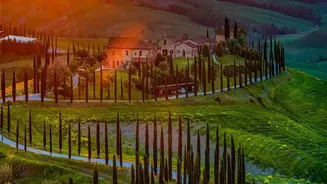
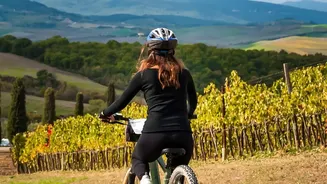
From Florence, take the SR222, famously known as the Chiantigiana road, heading south towards Siena. This is arguably the most iconic drive in Tuscany, winding through the heart of the Chianti Classico wine region. The landscape here is a postcard come to life, with vine-covered hills, olive groves, and cypress-lined lanes. Your first major stop could be Greve in Chianti, often called the gateway to the region. Its unique triangular main square, Piazza Matteotti, is perfect for a coffee and a stroll. Continue to Panzano, home to Italy's most famous butcher, Dario Cecchini, or the medieval hilltop town of Castellina in Chianti. Plan a stop at a winery like Antinori or Castello di Ama for a tour and tasting, but remember to book ahead. The goal here is not to speed through but to meander, stopping wherever the view commands.
Medieval Towers and Gothic Splendor
After the rustic charm of Chianti, the medieval grandeur of Siena awaits. This city is a masterpiece of Gothic architecture, centered around the magnificent, shell-shaped Piazza del Campo, where the famous Palio horse race is held. Unlike Florence, Siena feels more intimate, its red-brick alleys inviting exploration. Spend a full day here, visiting the stunning black-and-white striped Duomo and climbing the Torre del Mangia for a breathtaking view of the city and surrounding countryside. Siena makes a fantastic base for a night or two. From here, you can also take a half-day trip to the nearby town of San Gimignano, famous for the 14 medieval towers that create its unforgettable skyline.
The Golden Light of Val d'Orcia
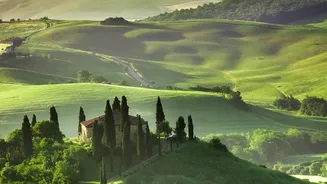
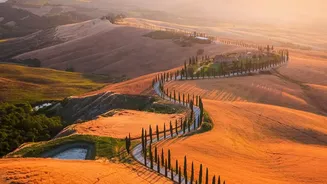
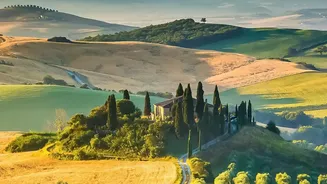
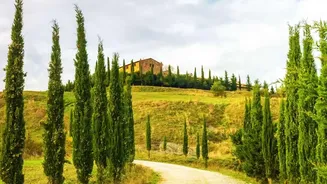
South of Siena lies the Val d'Orcia, a UNESCO World Heritage site whose landscapes are so perfect they seem painted. This is the Tuscany of your imagination. The driving itself is the main activity here, particularly along the scenic road between San Quirico d'Orcia and Pienza (the SP146). Pienza, the “ideal Renaissance city” designed by Pope Pius II, is a must-see for its architecture and famous pecorino cheese. Nearby Montalcino is the home of Brunello, one of Italy's most prestigious red wines, while Montepulciano is famed for its Vino Nobile. Don't miss the iconic photo stops: the chapel of Cappella di Vitaleta and the cypress trees near San Quirico d'Orcia are legendary. For a unique stop, visit Bagno Vignoni, a village where the main square is a large pool of thermal water.
Embrace the Art of Slow Travel
The secret to not rushing is building buffer time into your itinerary. Instead of changing hotels every night, choose two or three bases for your trip—perhaps one in Chianti and one in the Val d'Orcia. This allows for more spontaneous discoveries. Consider staying in an agriturismo, a working farm that offers accommodation. This provides an authentic taste of rural life, often with home-cooked meals and locally produced wine. This approach gives you the freedom to get lost on the strade bianche (white gravel roads), spend an entire afternoon at a leisurely winery lunch, or simply sit in a piazza with a gelato and watch the world go by. Tuscany rewards slowness; the journey truly is the destination.