

The Nutritional Power of Ragi
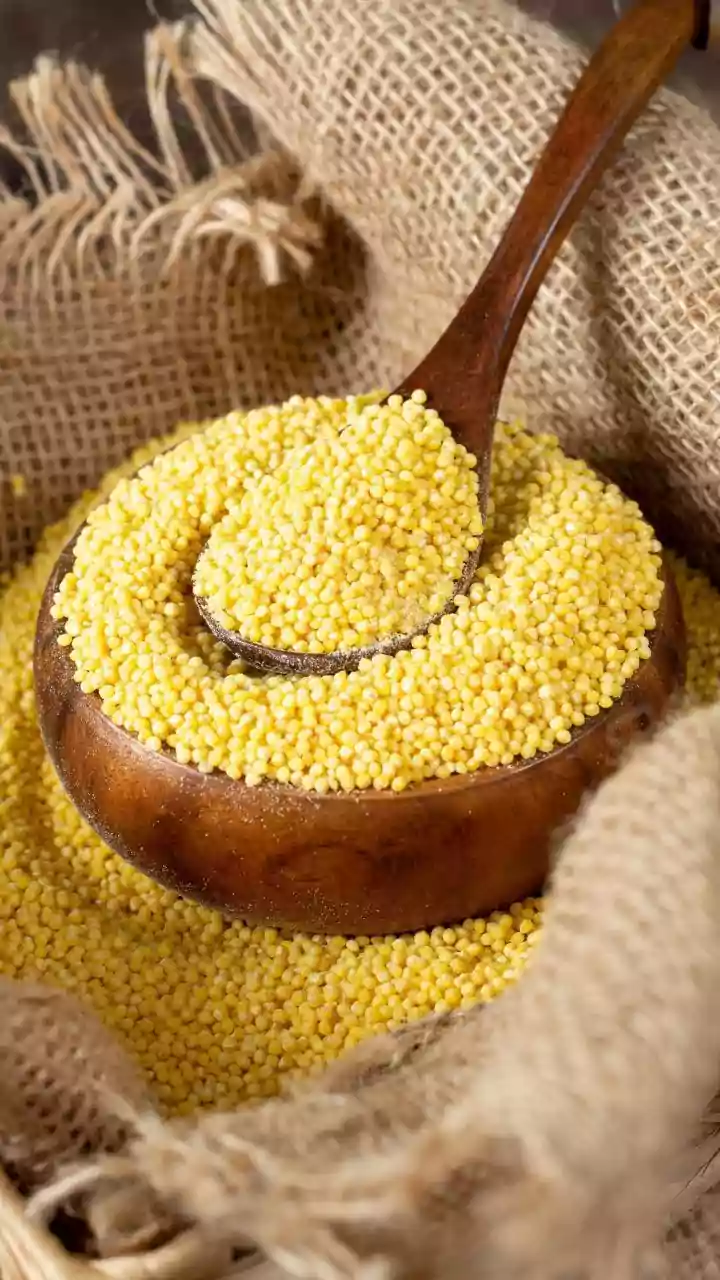
Before diving into the kitchen, it's worth knowing why ragi deserves a spot on your plate. It is a nutritional powerhouse, naturally gluten-free and rich in essential nutrients. Ragi is an excellent plant-based source of calcium, crucial for bone health.
It's also packed with iron, which helps combat anaemia, and dietary fibre, which aids digestion and promotes a feeling of fullness, making it beneficial for weight management. With a low glycemic index, ragi releases sugar into the bloodstream slowly, making it a favourable choice for individuals managing diabetes. Furthermore, it contains antioxidants and essential amino acids that contribute to overall well-being, including skin and hair health.
Start with Rotis and Chapatis
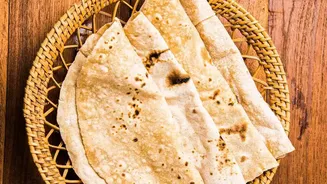
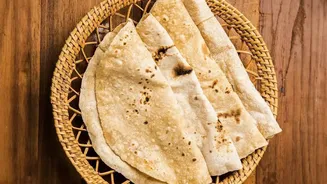
The simplest way to introduce ragi is by mixing it with your regular chapati flour. You don't have to go all-in at once. Start by substituting 25% of your wheat flour with ragi flour. This blend produces a soft roti with a slightly nutty flavour that pairs well with any dal or vegetable curry. As you get accustomed to the taste and texture, you can gradually increase the proportion of ragi. The dough requires only ragi flour, water, and a pinch of salt. These rotis are not just nutritious but also keep you feeling full for longer.
Whip Up Healthy Dosas and Pancakes
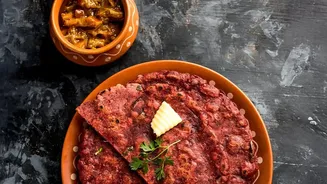
Ragi is incredibly versatile for breakfast preparations. For a quick meal, you can make instant ragi dosas. A simple batter can be made by mixing ragi flour with rice flour, semolina (rava), water, and spices like cumin, green chillies, and ginger. This batter doesn't require fermentation, making it perfect for busy mornings. For a sweeter start to your day, try ragi pancakes. Combine ragi flour with a ripe mashed banana, a little milk or curd, and a natural sweetener like jaggery. Cook them on a pan just like regular pancakes for a fibre-rich breakfast.
Cook a Comforting Porridge
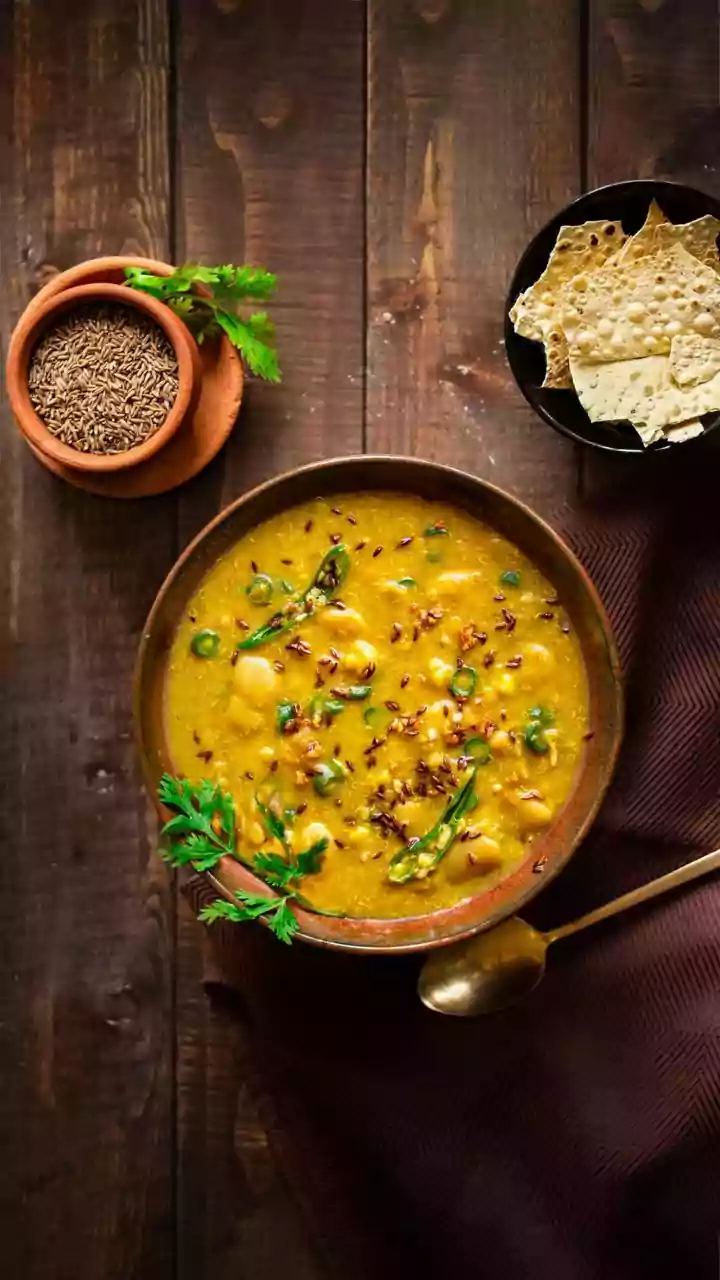
Ragi porridge, often called ragi malt or kanji, is a traditional and comforting dish suitable for all ages. It can be prepared in both sweet and savoury versions. For a sweet porridge, cook ragi flour with water or milk until it thickens, then add jaggery and a pinch of cardamom for flavour. For a savoury version, cook the ragi in water, let it cool, and then mix in buttermilk, salt, and a tempering of mustard seeds and curry leaves. To avoid lumps, always mix the ragi flour with cold water or milk to form a smooth slurry before adding it to a hot pan.
Bake Healthier Treats
Yes, you can bake with ragi! It’s an excellent way to make healthier cakes, cookies, and muffins. Ragi flour can have a dense texture, so it's best to start by replacing about 20-25% of the regular flour in your recipe. Ragi pairs beautifully with flavours like chocolate, banana, and spices like cinnamon. A chocolate ragi cake, for instance, has a rich, earthy flavour that many enjoy. Using jaggery instead of refined sugar can further boost the nutritional profile of your baked goods.
Explore Instant Meals like Idli and Upma
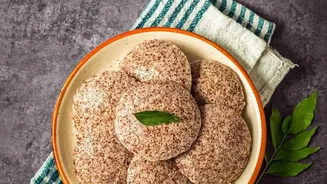
Beyond dosas, ragi can be incorporated into other popular South Indian breakfast dishes. You can make soft, steamed ragi idlis by adding ragi flour to your traditional idli batter. For an even quicker option, try ragi upma. Simply replace the semolina (suji) with ragi flour or ragi rava and cook it with the usual mix of onions, vegetables, and spices for a high-fibre alternative. Another creative idea is making ragi appe by mixing ragi rava with sooji, curd, and chopped vegetables.