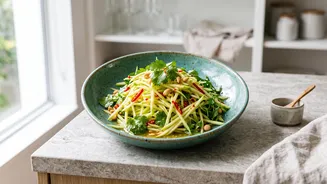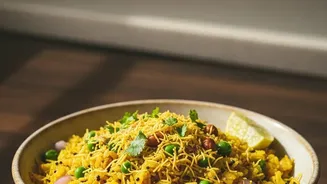

Unlock the vibrant taste of summer with a classic culinary duo: tangy green mango and aromatic curry leaves. This pairing is a cornerstone of Indian regional cooking, creating dishes that are refreshingly sour, deeply fragrant, and simply unforgettable.
A Match Made in Flavour Heaven
The combination of raw green mango and curry leaves is a testament to the genius of traditional Indian cuisine. The sharp, mouth-puckering tartness of the mango is perfectly balanced by the unique, slightly pungent, and citrusy aroma of fresh curry leaves. This pairing isn't just about flavour; it's about creating a multi-layered sensory experience. The tempering, or 'tadka', of curry leaves in hot oil releases their essential oils, infusing the entire dish with a fragrance that is both invigorating and appetising. When this aromatic oil meets the sourness of the mango, it mellows the tang while elevating its fruity notes. This balance is the secret behind many beloved recipes, turning simple ingredients into a spectacular meal.
Classic Andhra Mango Dal (Mamidikaya Pappu)
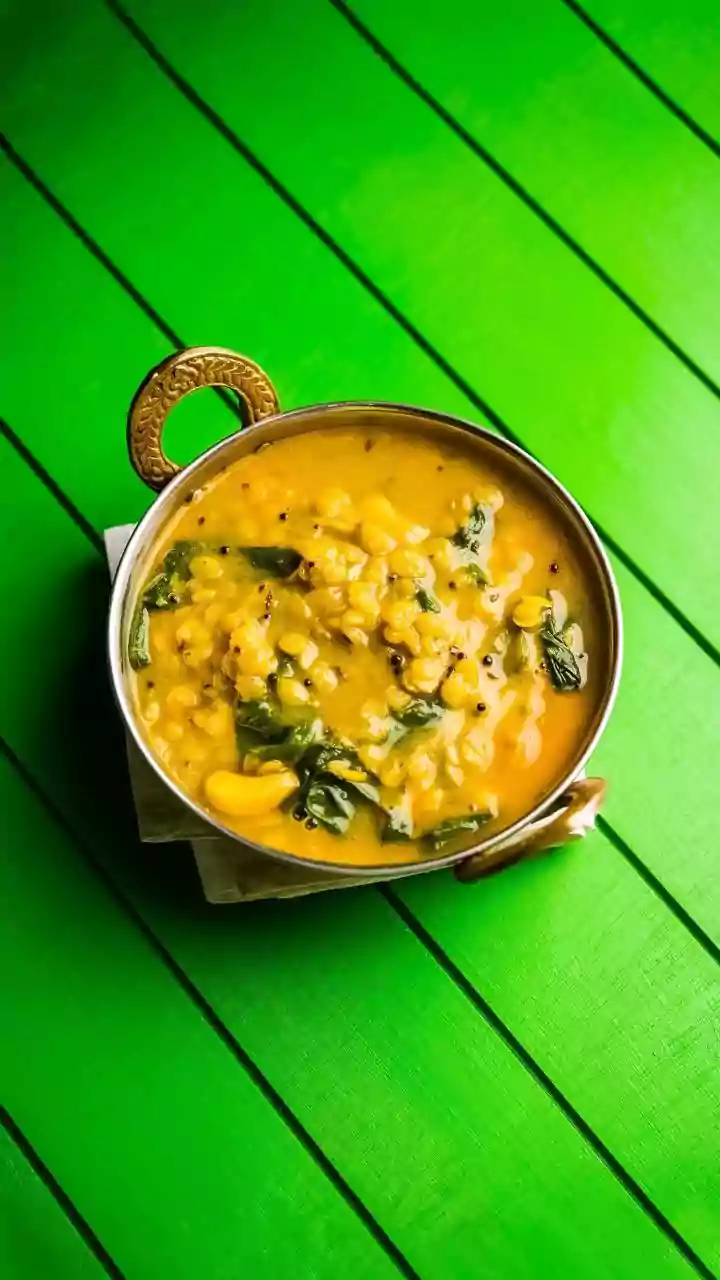
One of the most cherished dishes featuring this combination is Mamidikaya Pappu, a tangy lentil curry from Andhra Pradesh. To make it, pressure cook toor dal (split pigeon peas) until soft and mushy. In a separate pot, you can either cook chunks of raw mango until tender or add them directly with the dal. Once the dal is cooked, mash it lightly. For the tempering, heat ghee or oil in a small pan. Add mustard seeds and wait for them to splutter. Follow with cumin seeds, a couple of broken dried red chillies, and a generous sprig of fresh curry leaves. Some variations also include crushed garlic for extra flavour. Pour this sizzling tempering over the cooked dal and mango mixture, add salt to taste, and let it simmer for a few minutes for the flavours to meld. Served with hot steamed rice and a spoonful of ghee, it’s the ultimate comfort food.
Quick and Tangy Mango Rice
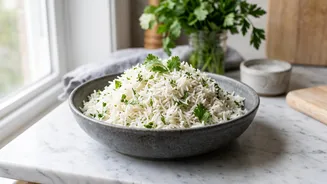
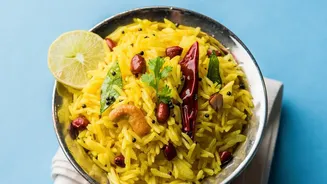
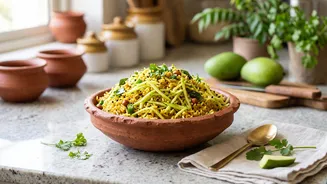
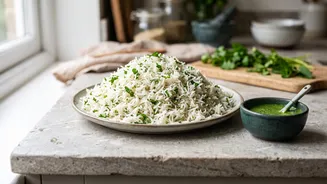
Mango rice, or 'Mangai Sadam', is a quick and delicious way to use up leftover rice and celebrate the flavours of the season. The key is to prepare a flavourful mango base. Start by heating oil and adding mustard seeds, urad dal (split black lentils), and chana dal (split chickpeas). Once the dals turn golden, add peanuts, dried red chillies, and curry leaves. Next, add grated green mango, turmeric powder, and salt. Cook this mixture for a few minutes until the raw smell of the mango disappears and it becomes slightly soft. Finally, gently fold in the cooked and cooled rice, ensuring you don't break the grains. Garnish with fresh coriander. The result is a vibrant yellow rice packed with tangy, nutty, and aromatic flavours, perfect for a light lunch or a tiffin box treat.
Versatile Green Mango Chutney
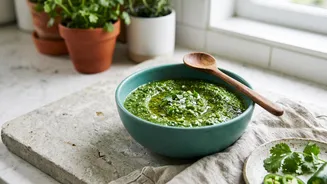
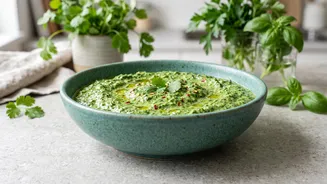
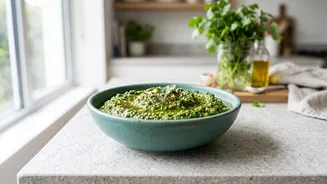
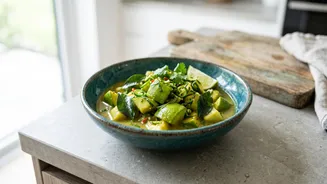
A zesty green mango chutney can elevate any meal. To make a simple version, start with the tempering. Heat oil and splutter mustard seeds, then add chana dal, urad dal, dried red chillies, a pinch of asafoetida (hing), and curry leaves. Once the dals are browned, turn off the heat. To this pan, add grated green mango, chilli powder, salt, and sometimes a pinch of roasted fenugreek powder for extra depth. Mix everything well. The heat from the pan and oil will slightly cook the mango while retaining its crunch. This instant chutney is a fantastic accompaniment to rice, dal, dosas, or idlis. Its tangy and spicy notes cut through richer dishes, providing a refreshing contrast.
Tips for Perfecting Your Dishes
To get the best results, choose green mangoes that are firm, dark green, and sour. If the mango is slightly soft, it may be ripening, which will add sweetness and change the flavour profile of the dish. For curry leaves, fresh is always best as they have the most potent aroma. You can store them in the refrigerator for over a week. When making a tadka, ensure the oil is hot enough for the mustard seeds to pop—this is crucial for releasing the flavours. Be careful when adding curry leaves to hot oil, as they will splatter. By keeping these simple tips in mind, you can master the art of cooking with green mango and curry leaves.