








A Deluge of Unprecedented Scale
The latest onslaught began in late July and intensified dramatically around August 1, 2026, when parts of the state were hit with what experts described as near-cloudburst conditions. Some areas received more than three times the seasonal average rainfall
over a few days. For instance, Vadasserikkara in Pathanamthitta district recorded a staggering 361 mm of rain in just 24 hours. This torrent of water quickly overwhelmed river systems, including the Pamba, Manimala, and Meenachil, causing them to breach their banks and inundate towns and villages across central and northern Kerala. The India Meteorological Department (IMD) responded by issuing red alerts—signifying a warning for extremely heavy rainfall of over 20 cm in 24 hours—for up to eight districts, including Pathanamthitta, Idukki, Kottayam, and Wayanad.
The Devastating Human Toll
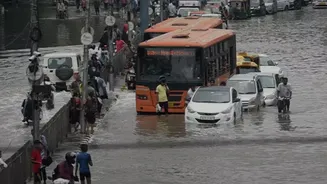
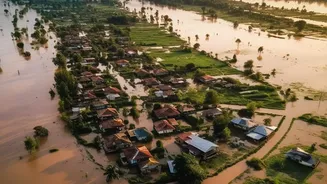
The human cost of the disaster has been severe. As of August 5, official reports confirmed that at least 28 people have lost their lives in rain-related incidents, with several others still missing. The flash floods and landslides have destroyed homes, swept away vehicles, and forced thousands to flee. Across the state, over 11,000 people have been evacuated to more than 300 relief camps set up by the government. The districts of Pathanamthitta and Kottayam are among the worst affected, with entire towns like Ranni cut off by floodwaters that rose so rapidly residents had no time to save their belongings. In Thiruvarppu panchayat in Kottayam, an estimated 98% of houses were inundated after the Meenachil river overflowed.
Landslides in the High Ranges
Alongside the flooding, the saturated hills of the Western Ghats have given way to numerous landslides, a recurring danger in Kerala's monsoon season. The high-range districts of Idukki, Kottayam, Pathanamthitta, and Wayanad have been particularly vulnerable. In Idukki, a 69-year-old woman was killed when a landslide buried her home in the middle of the night. Scores of landslips were recorded in Idukki within a single day, tearing through fragile slopes and adding to the destruction. These events are a grim reminder of past tragedies, including the devastating landslides in 2018 and 2019, which also followed periods of intense, concentrated rainfall.
Massive Rescue Operations Underway
In response to the crisis, a massive multi-agency rescue operation is in full swing. Teams from the National Disaster Response Force (NDRF), state police, and Fire and Rescue Services have been deployed across the flood-ravaged regions. In Pathanamthitta alone, fire and rescue personnel worked for over 70 continuous hours, evacuating more than 3,600 people. Rescuers have faced treacherous conditions, navigating strong currents in rubber boats to reach stranded families, including elderly and critically ill patients. The government has assured residents that the situation is being closely monitored, with teams and resources, including helicopters, on standby. Financial assistance has also been announced for the families of the deceased and for those who have lost their homes.
A Familiar and Worsening Pattern
For many in Kerala, this event brings back harrowing memories of the catastrophic floods of 2018. Experts point out that while disaster response mechanisms have improved since then, the state remains critically vulnerable. The increasing frequency of extreme weather events, which see huge amounts of rain falling in short, intense bursts, is a significant factor. This pattern, which many scientists link to climate change, combined with unsustainable land use on ecologically sensitive slopes, creates a perfect storm for disasters of this scale. The recurring nature of these floods and landslides highlights an urgent need for a long-term strategy focused not just on rescue, but on climate resilience and sustainable development.