


A Dream of Flying for Everyone
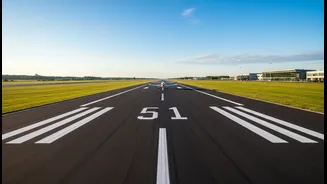
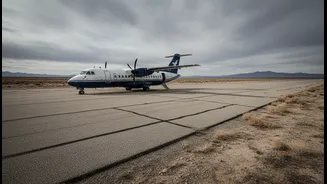
Launched in 2016, the UDAN scheme was a landmark initiative designed to connect India’s vast, unserved and underserved regions. The idea was simple and ambitious. Airlines would be incentivised to fly on commercially challenging routes to Tier-2 and Tier-3
cities. In return for offering a number of seats at a capped, affordable price—famously around ₹2,500 for a one-hour flight—operators would receive financial support from the government to cover their operational losses. This subsidy, known as Viability Gap Funding (VGF), was the engine designed to get regional aviation off the ground. For the first time, dozens of new towns and cities appeared on the national aviation map, promising a new era of connectivity and economic growth.
The Tarmac’s Harsh Reality
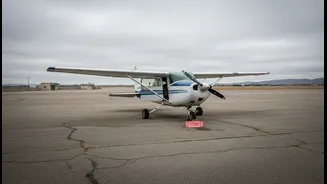
A decade later, the numbers tell a story of struggle. Of the 669 routes made operational under UDAN since its inception, commercial flights are currently active on only 336. This means nearly 50% of the routes that were launched with much fanfare have been quietly discontinued. This has happened despite a massive infusion of public funds, with nearly ₹4,700 crore spent on airline subsidies and another ₹4,800 crore on developing infrastructure at remote airports. Airports in places like Kalaburagi and Bidar in Karnataka saw daily flights disappear almost as soon as their three-year subsidy period expired, leaving behind upgraded infrastructure with dwindling traffic.
Why Airlines Are Pulling Out
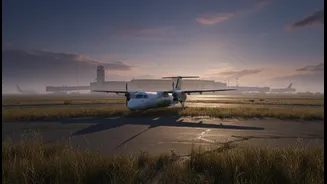
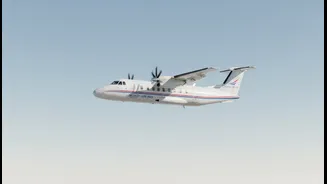
The primary reason for these closures is a phenomenon known as the 'subsidy cliff'. The VGF support for airlines was initially designed to last for three years, with the assumption that routes would become self-sustaining in that time. The reality has been starkly different. Once the subsidies end, airlines are forced to price tickets based on actual operational costs. On many of these routes, that has meant fares doubling overnight, causing the low passenger demand to evaporate almost instantly. This isn't just about airlines being greedy; it's a reflection of a fundamental mismatch. The cost to operate a flight on a small turboprop can be upwards of ₹5,000-₹7,000 per passenger, a figure far removed from the subsidised fare. Without enough passengers willing to pay the real cost, the routes become commercially unviable.
The Real Cost of an 'Affordable' Fare
This situation teaches us a crucial lesson about affordability. A fare is not truly affordable if it can only exist with continuous government subsidies. The core issue on many discontinued UDAN routes was not the supply of flights, but a sustainable demand for them. Many of these regions simply do not generate the consistent passenger traffic—for business or leisure—needed to fill planes year-round. Airlines also face a host of other challenges. These include delays in making small airports fully operational, a lack of parking and landing slots at congested metro airports like Delhi and Mumbai, and even competition from improving infrastructure like the Vande Bharat trains on shorter routes. Together, these factors reveal that building a sustainable aviation network is about much more than just building a runway and subsidising a ticket.
Building Sustainable Skies
The government is aware of these challenges. In July 2026, it launched a revamped scheme, Viksit UDAN, with a significantly larger outlay of nearly ₹29,000 crore. A key change is the extension of the subsidy period from three years to five, a direct attempt to address the subsidy cliff. While this may provide a longer runway for routes to mature, the fundamental question remains: can financial support alone create a market where one doesn't naturally exist? The lesson from the first decade of UDAN suggests that the answer is more complex. Lasting connectivity cannot be built on subsidies alone. It must be woven into a broader strategy of regional economic development that gives people a reason to travel in the first place.