




A New Generation Focused on Efficiency
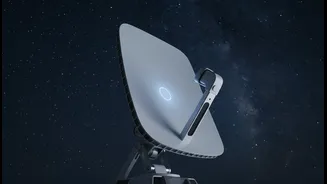
SpaceX has quietly launched its next-generation residential satellite hardware, the Starlink V5. In a surprising twist for a tech upgrade, the biggest news isn't a massive leap in download speeds. In fact, its maximum rated speed is slightly lower than
the previous V4 model. Instead, SpaceX has focused on what may be a more critical factor for many users: power consumption. The new V5 dish boasts a smaller form factor, a lighter design, and most importantly, significantly greater power efficiency. This shift in focus directly addresses one of the biggest hurdles that has prevented Starlink from being a truly seamless solution for a growing number of customers in rural and remote areas.
The Constant Drain of Off-Grid Power
For anyone living in a home powered by solar panels and a battery bank, every watt counts. Previous generations of Starlink hardware have been notoriously power-hungry. The V4 dish, for instance, consumed an average of 75 to 100 watts. While that might not sound like much for a grid-connected home, for an off-grid setup it’s a constant and significant drain. Running a 100-watt device 24/7 requires approximately 2.4 kilowatt-hours (kWh) of energy per day. Sourcing that from a solar and battery system, especially during cloudy days or long winter nights, can be a major challenge. This high power draw has been a persistent pain point for the RV, marine, and homesteading communities, often forcing users to buy larger, more expensive battery banks or to turn their internet off for part of the day to conserve energy.
By the Numbers: The V5's Efficiency Leap
The Starlink V5 changes this calculation dramatically. According to specifications released by SpaceX, the new dish consumes an average of just 35 to 50 watts. This represents a reduction of more than 50% compared to its predecessor. In practical terms, a 50-watt average draw equates to about 1.2 kWh of energy per day—nearly half that of the V4 model. This cut in power usage is a game-changer. It means a smaller, more affordable solar and battery system can comfortably support the internet service around the clock. For those with existing systems, it frees up a significant amount of power for other uses and provides a much larger buffer during periods of low solar generation.
What This Means for Your Setup
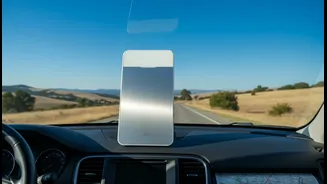
The lower power requirement makes Starlink a much more viable plug-and-play solution for off-grid living. Previously, many users resorted to complex and often warranty-voiding modifications, such as converting the system to run directly from DC power to avoid the energy losses associated with inverters. While the V5 still runs on AC power out of the box, its inherent efficiency makes these workarounds less critical. The reduced energy demand simply makes life easier, enabling more people to get reliable, high-speed internet without needing to become amateur electrical engineers or investing thousands of extra dollars into their power infrastructure. The V5 is also significantly lighter at just 2.4 pounds compared to the V4's 6.5 pounds, making it far easier to mount on a roof or mast.
More Than Just Power Savings
While the lower power draw is the headline feature for off-grid users, SpaceX has packed in other meaningful upgrades. The V5 boasts a staggering wind resistance rating of up to 165 mph (265 kph), a massive improvement over the V4's 60 mph rating. This makes the hardware tough enough to withstand even a Category 5 hurricane when properly mounted, offering peace of mind to users in storm-prone regions. The new model is initially being rolled out in select areas of the United States, bundled with Starlink's more affordable residential plans. This suggests a strategy to make reliable internet more accessible, not just through network expansion, but by creating hardware that is more practical and affordable to operate in challenging environments.