






Ford's Summer of Setbacks
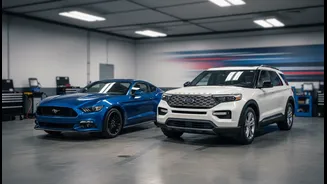
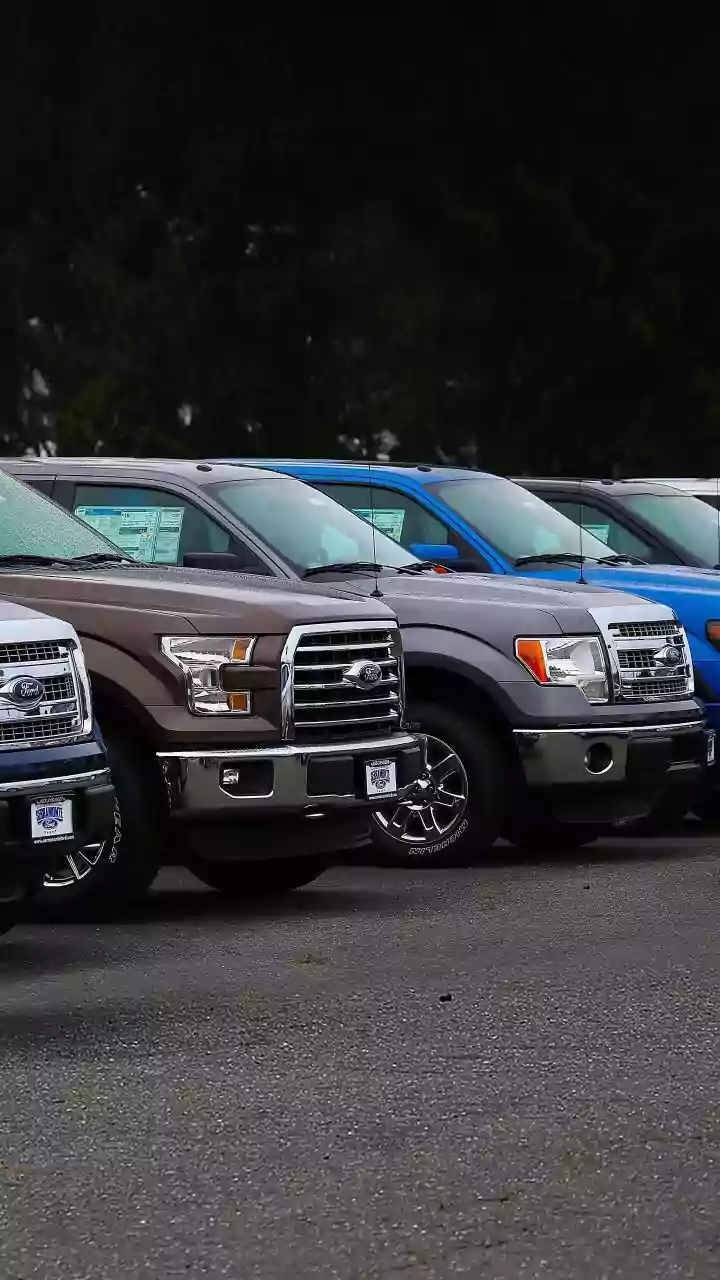
Ford has been busy this summer, but not for the reasons it would like. In early July 2026 alone, the company has announced multiple significant recalls. One major campaign covers over 741,000 SUVs and pickup trucks in the US due to a transmission park
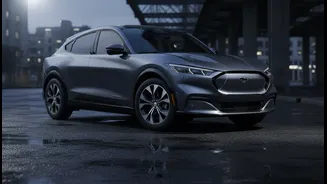
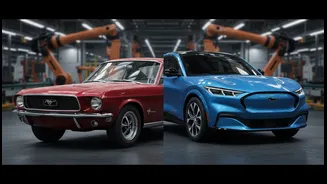
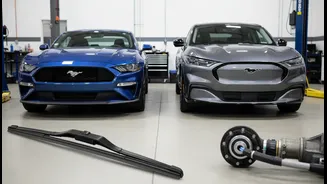
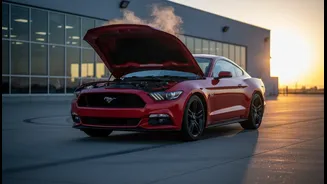
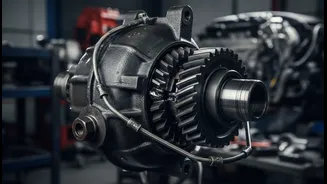
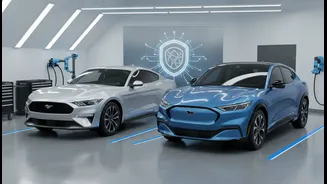
system defect that could lead to a vehicle rolling away unexpectedly. This came right alongside another recall of over 110,000 Mustang, Mustang GTD, and Mustang Mach-E models for separate issues, including faulty windshield wipers and drivetrain components that could fracture. The Mach-E, Ford's flagship electric SUV, is facing a recall of nearly 43,000 units because a faulty rear differential shaft could cause a sudden loss of power or unintended vehicle movement. These actions are part of a worrying trend for the automaker, which has already issued over 50 recall campaigns in the US this year—more than any other car company.
A Contradictory Picture of Quality
Here’s where the story gets complicated. The constant stream of recall notices seems to contradict other industry metrics. In a surprising turn, Ford was recently named the top mass-market brand in the J.D. Power 2026 U.S. Initial Quality Study (IQS). This study measures problems reported by owners in the first 90 days, and Ford showed a massive improvement, with 41 fewer problems per 100 vehicles compared to the previous year. So, how can a company be a leader in initial quality while also leading in recalls? The answer is that the two metrics measure different things. Initial quality often captures issues like frustrating infotainment systems or minor glitches. Recalls, on the other hand, are issued for safety-critical defects, which may only become apparent long after the first 90 days. This highlights a disconnect between the user experience and long-term engineering reliability.
Why Cars Are Harder to Build Right
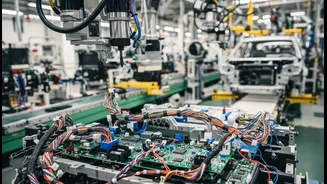
Ford’s troubles are a symptom of an industry-wide disease. Modern vehicles are no longer just machines; they are complex computers on wheels. A new car can have over 100 million lines of software code, creating countless opportunities for bugs and glitches that can affect everything from the engine to the airbags. According to the 2026 J.D. Power study, infotainment systems are the only category where reported problems are actually increasing, driven largely by connectivity issues with Android Auto and Apple CarPlay. Furthermore, the auto industry relies on vast, global supply chains. A single faulty component from one supplier, whether it's a sensor or a small plastic clip, can end up in hundreds of thousands of vehicles across different models and even different brands, turning a small error into a massive recall.
The Soaring Cost of Complexity
This new reality of building cars is creating immense pressure. The race to electrify and integrate the latest technology is forcing automakers to develop vehicles faster than ever, sometimes allowing design flaws to slip through the cracks. Stricter government safety regulations and more vigilant oversight mean that issues that might have been ignored in the past now mandate a formal recall. For consumers, the impact is direct: inconvenience, potential safety risks, and uncertainty about the reliability of their expensive purchase. For automakers, the consequences are financial and reputational. The cost of recall repairs runs into billions of dollars, and each notice erodes customer trust—a currency that is hard to earn back.
What This Means for Car Buyers in India
While many of these specific large-scale recalls are primarily focused on the North American market, the underlying trends are global. Car buyers in India are also dealing with vehicles that are more technologically advanced and complex than ever before. The issues of software reliability and component quality are universal. For Indian consumers, it underscores the importance of staying informed. Before purchasing a new vehicle, it's wise to research its recall history and common owner-reported problems. After a purchase, owners should ensure their contact information with the manufacturer is up to date to receive any potential safety notices. As cars continue to evolve, the challenge for both manufacturers and buyers will be to navigate this new landscape of technology, safety, and reliability.