






Why Your Balcony Matters to Bees
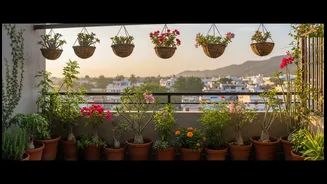
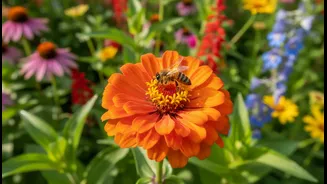
In bustling cities, green spaces are often fragmented, leaving pollinators like bees struggling to find food and shelter. Your balcony, no matter how small, can act as a crucial pit stop on their journey. By cultivating a bee-friendly space, you are not
just adding beauty to your home; you are creating a micro-habitat that supports urban biodiversity. A single pot of the right flowers can provide essential nectar and pollen, helping local bee populations survive and thrive in an otherwise concrete jungle. Think of your balcony as a mini-sanctuary, a small patch of wilderness contributing to a larger ecological network.
The Best Bee-Friendly Plants for Indian Balconies
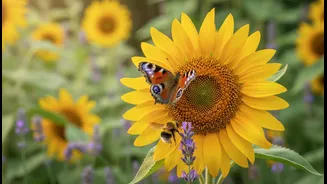
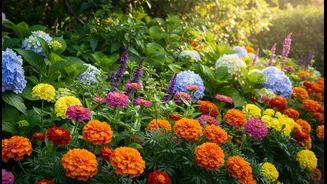
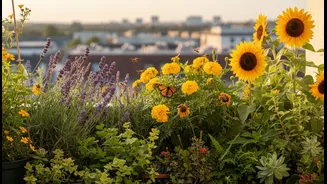
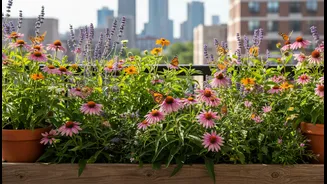
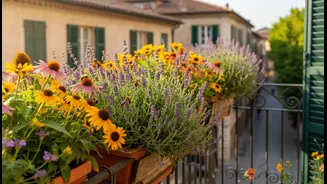
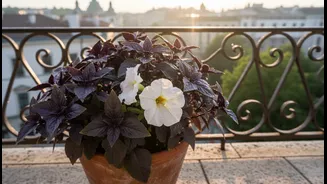
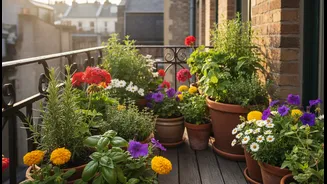
The key to attracting bees is to plant simple, nectar-rich flowers. Many traditional and easy-to-grow Indian plants are perfect for the job. Marigolds (Genda), with their bright, open faces, are a fantastic choice and are tolerant of various climate conditions. Sacred Basil (Tulsi) is another powerhouse; when it flowers, its small blossoms are a magnet for bees. Sunflowers, even the smaller varieties suitable for pots, offer a large landing pad and plenty of food. Other excellent options include the vibrant and easy-to-grow Cosmos, fragrant Lavender, and the beautiful Butterfly Pea climber. Don't forget to let your herbs, like mint and coriander, or vegetables like chillies and tomatoes, go to flower — these are also valuable food sources.
Provide a Safe Place to Drink
Foraging is thirsty work. Bees need water not just for hydration, but also to regulate the temperature of their hives and feed their young. However, they can easily drown in deep water. You can create a safe bee bath with items you already have. Simply take a shallow dish or a plant saucer, fill it with pebbles, marbles, or small stones, and add just enough water so the tops of the stones remain exposed. This gives bees a safe place to land and drink without risk. Place it in a partly shady spot and remember to change the water every couple of days to keep it fresh and prevent mosquito breeding.
What to Avoid: Deceptive Flowers and Harmful Chemicals
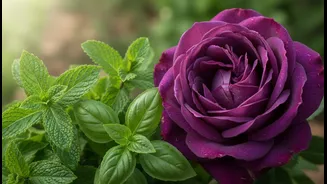
Not all flowers are helpful. Many modern, cultivated varieties are bred for appearance, not for pollinators. Steer clear of "double-flowered" plants, like fluffy pom-pom marigolds, double petunias, and overly dense roses. These plants have extra petals instead of the essential, pollen-producing parts, making them beautiful but essentially useless food-wise. Stick to single-petal, open-faced flowers where you can see the centre. Equally important is avoiding chemical pesticides. Many products sold at garden centres contain systemic insecticides, especially neonicotinoids, which are absorbed into the plant and turn its nectar and pollen toxic to bees. These can contribute to colony collapse and should be strictly avoided.
Embrace Natural Pest Control
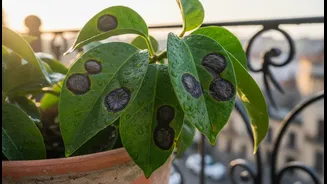
Protecting your plants from pests doesn't require harsh chemicals that harm bees. India's own neem tree provides a powerful, organic solution. A simple spray made from neem oil, a little liquid soap, and water can disrupt the life cycle of over 200 types of pests without harming beneficial insects like bees. This is hailed by many organic gardeners as their go-to solution. Another effective DIY option is a spray made from blended garlic and chillies, whose strong scent repels common pests. You can also practice companion planting. Placing marigolds or basil near your other plants can help deter pests like aphids and whiteflies naturally.