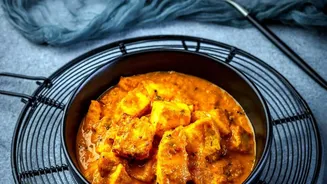


Clove-Smoked Dal Tadka
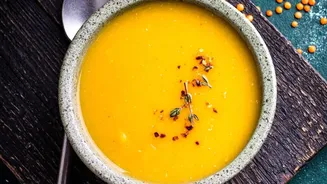
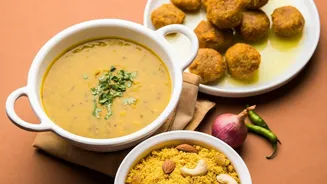
Transform your everyday dal into a dish worthy of a fine dining restaurant with a simple smoking technique known as 'dhungar'. Once your dal is prepared, the magic happens right at the end. Place a small, heatproof steel bowl in the centre of the dal.
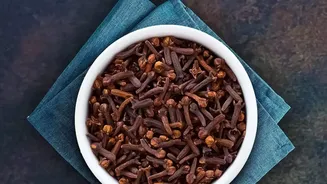
Heat a piece of charcoal over an open flame until it is red-hot. Place the hot charcoal in the bowl, add a couple of whole cloves and a spoonful of ghee directly onto it. As it begins to smoke profusely, immediately cover the dal pot with a tight-fitting lid. Let it sit for just a few minutes. The trapped smoke, fragrant with ghee and the unmistakable warmth of clove, will infuse the lentils, giving them a complex, earthy, and smoky flavour that is utterly irresistible. This method works beautifully with thicker dals like dal makhani or even a simple chana dal.
Warming Clove and Ginger Chai
Move beyond plain masala chai with a focused infusion that highlights the partnership between clove and ginger. This combination is a classic remedy for coughs and colds, prized for its anti-inflammatory and immune-boosting properties. For a truly robust flavour, start by lightly crushing two or three cloves and a small piece of fresh ginger. Add them to the water as it comes to a boil, before adding your tea leaves and milk. Letting the spices simmer for a few minutes on their own allows their essential oils to fully release, creating a brew that is not only soothing and medicinal but also deeply aromatic. The sharp heat of the ginger is perfectly balanced by the sweet, woody warmth of the cloves, making for a comforting cup that does more than just wake you up.
Rich Mughlai Mutton Curry
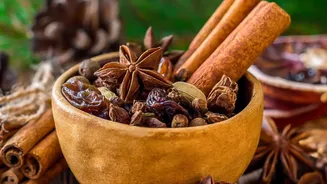
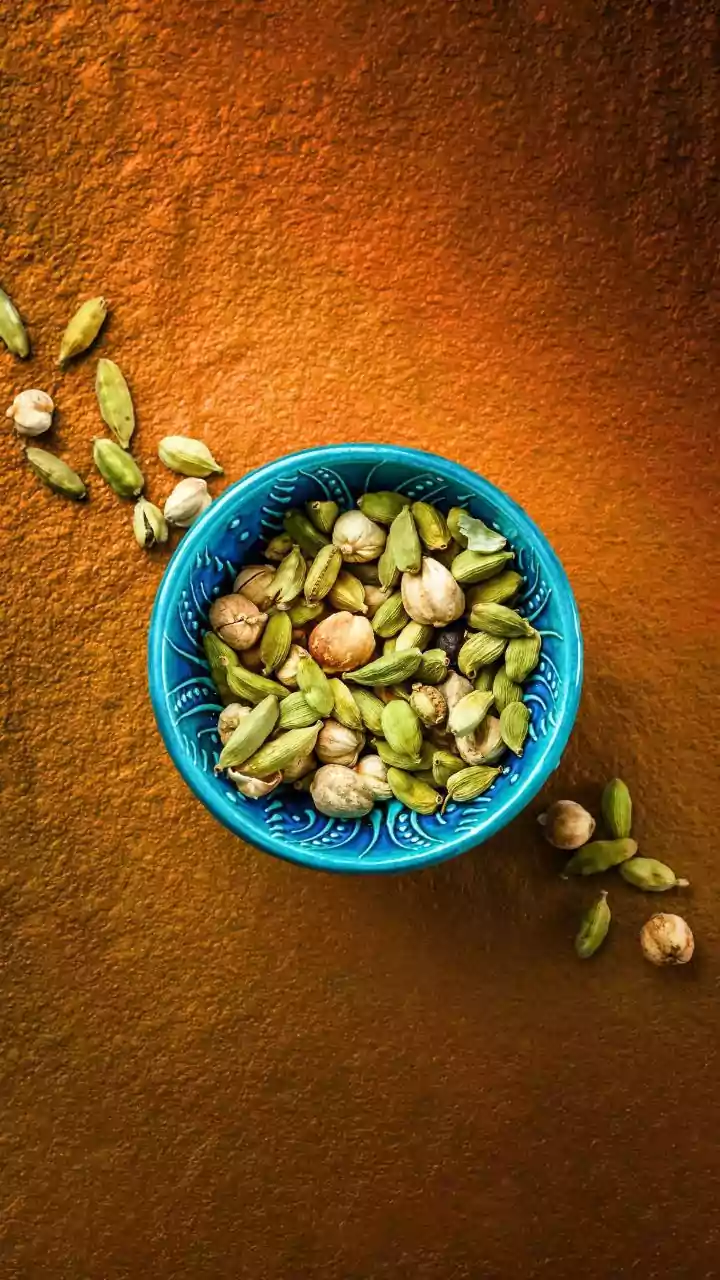
In the rich, layered world of Mughlai cuisine, spices are never just an afterthought; they are the foundation. While cloves are often part of a larger garam masala, they can be the star in a slow-cooked mutton curry. Many traditional recipes call for creating a fresh spice paste by grinding whole spices, and making clove a prominent ingredient is key. Gently crushing cloves with black peppercorns, cinnamon, and cardamom before adding them to the masala base ensures their flavour permeates the entire dish. In a pressure cooker or a heavy-bottomed pot, this spice blend melds with onions, yoghurt, and the richness of the mutton, resulting in a tender, aromatic curry where the clove provides a signature warmth that lingers on the palate without overpowering.
Fragrant Clove-Infused Pulao
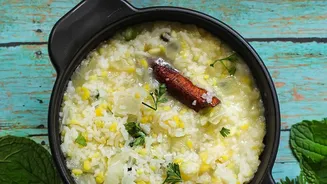
Almost every vegetable pulao recipe begins with a sizzle of whole spices in hot ghee or oil. This step, known as tempering or 'tadka', is crucial for building flavour. While we often toss in a mix of spices, focusing on the clove can be a revelation. To get the most out of it, ensure your ghee is hot but not smoking. Add four or five whole cloves and watch them carefully. In a few seconds, they will puff up slightly and release their intense aroma into the fat. This is the moment to add your onions and other aromatics. This technique, often called 'blooming', ensures the essence of the clove is carried through every grain of rice, lending the finished pulao a subtle sweetness and a beautiful, fragrant character that complements the vegetables perfectly.
Elegant Clove-Poached Pears
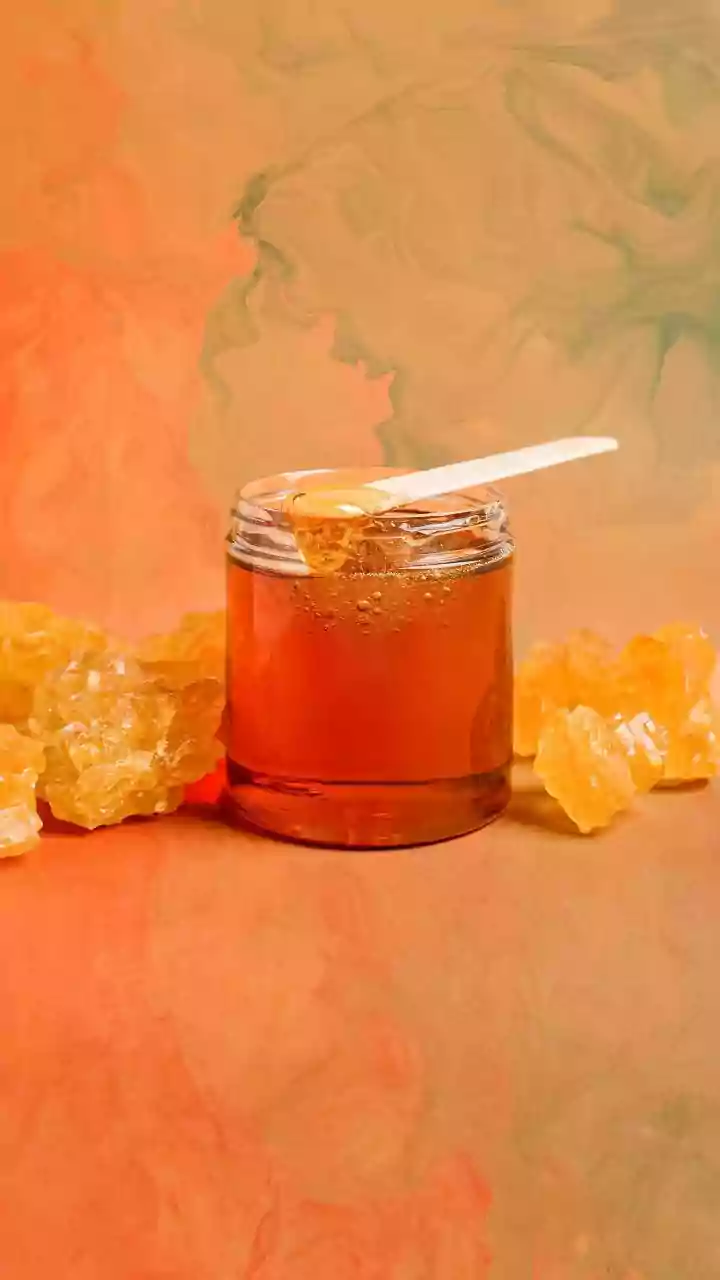
Dessert doesn't have to mean baking. For a simple yet sophisticated sweet treat, poached fruit is an excellent choice. Pears, with their firm texture and mild flavour, are a perfect canvas for spice infusions. To create an elegant dessert, simply place peeled pears (either whole or halved) in a saucepan with water, a little sugar or honey, and a handful of whole cloves. You can also add a cinnamon stick or a star anise for extra complexity. Bring the liquid to a gentle simmer and let the pears cook until they are tender when pierced with a knife. The cloves release their warm, sweet-spicy flavour into the poaching liquid, which in turn infuses the fruit. Served warm, perhaps with a dollop of cream or yogurt, it’s a light, flavourful, and impressive end to any meal.