
The Abode of the Gods
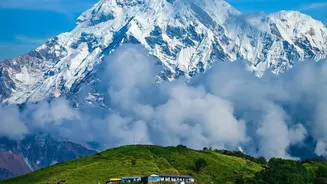
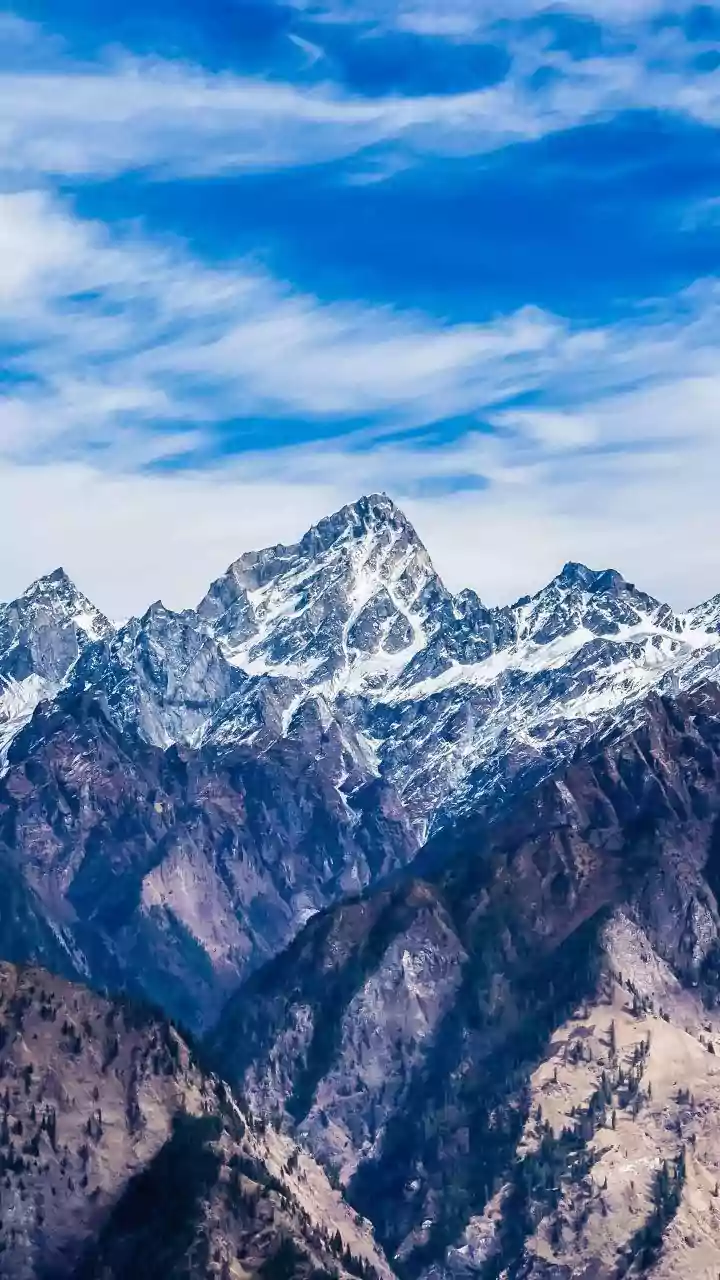
In the local dialect, Deo Tibba translates to 'Hill of the Gods'. According to mythology, this colossal 6,001-metre peak is the celestial assembly point where the deities of the valley gather. Unlike the jagged, pointed summits typical of the Himalayas,
Deo Tibba is distinguished by its vast, flattened snow dome, giving it the appearance of a divine throne watching over the Pir Panjal range. This spiritual significance and unique shape lend the trek a profound sense of purpose. It’s not just a physical challenge but a pilgrimage towards a landscape steeped in folklore, where every vista feels sacred and every step brings you closer to a place of immense power and beauty.
From Verdant Forests to Alpine Plains
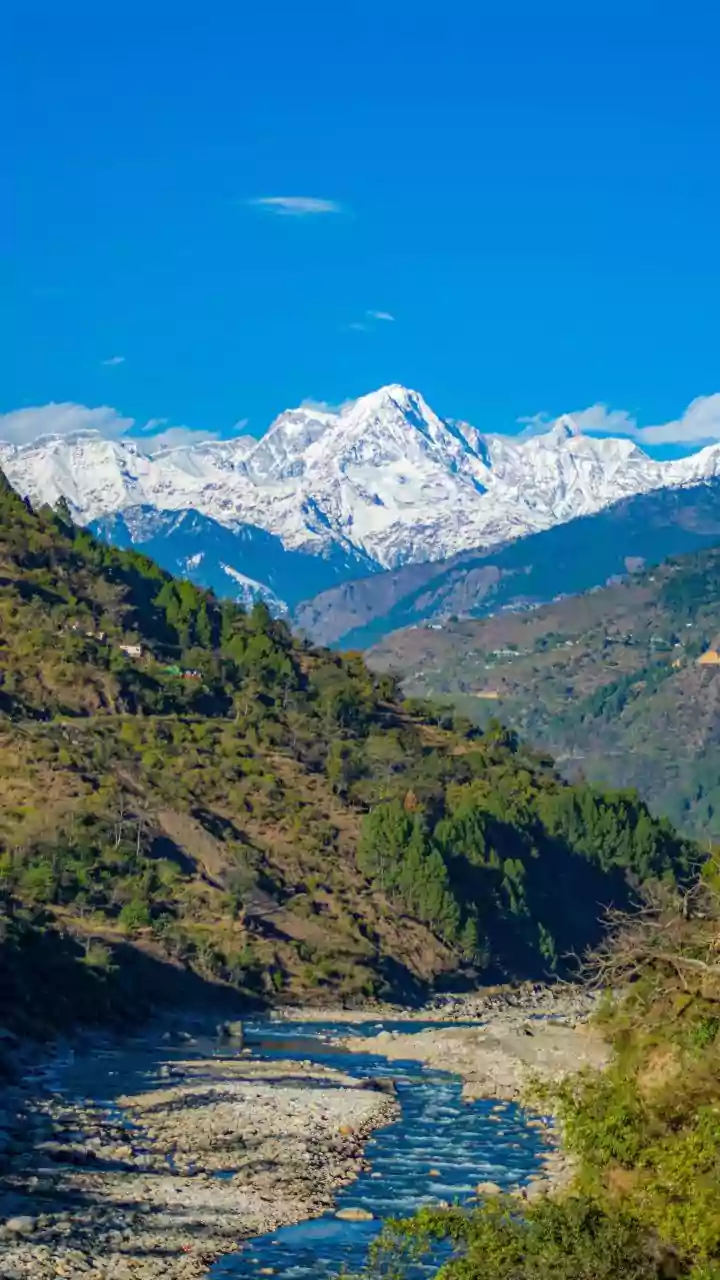
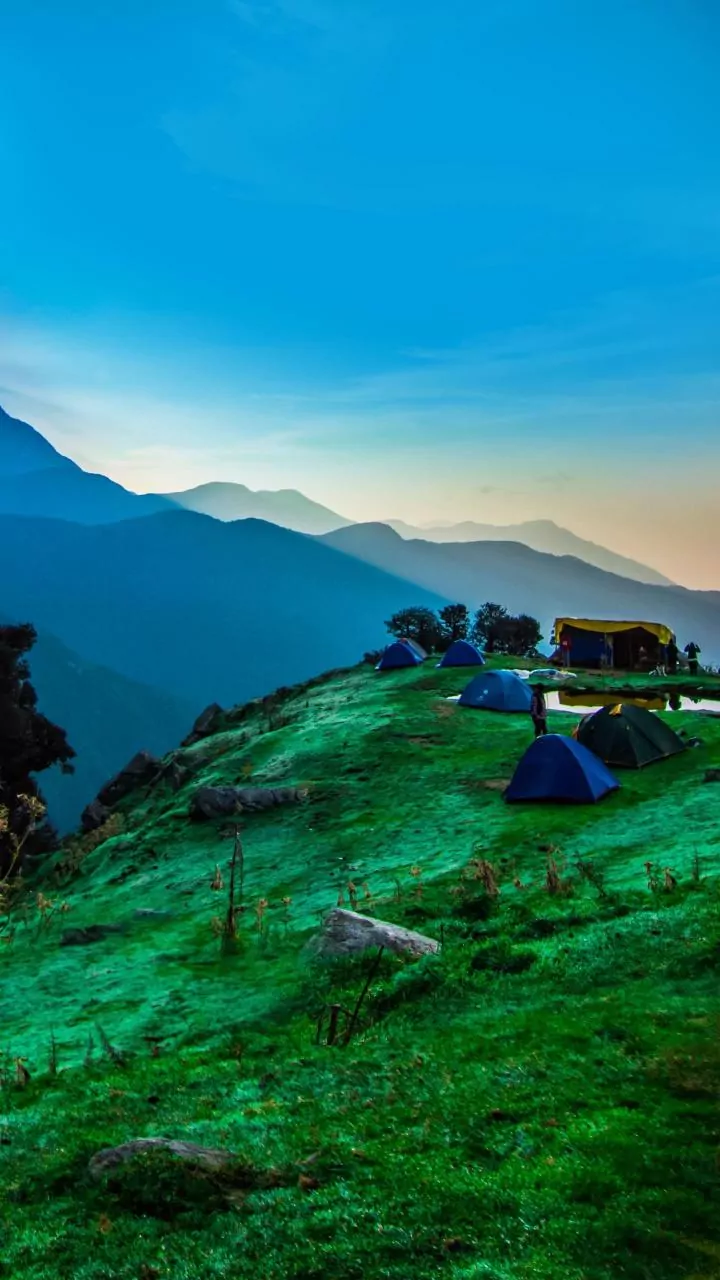
The journey typically begins near the ancient village of Jagatsukh, a short drive from Manali. The initial stages of the trek wind through dense forests of pine, oak, and birch, following the gushing Jagatsukh Nala. The first major campsite, Chikka, offers a classic Himalayan welcome with its riverside setting. From here, the landscape transforms dramatically. The trail leaves the treeline behind and opens into Seri, a vast, flat, and startlingly green alpine meadow. This former glacial lake bed is now a carpet of wildflowers, offering a moment of serene beauty and a stark contrast to the rugged terrain that lies ahead. The sight of grazing sheep and the sound of distant waterfalls make Seri an unforgettable highlight.
The Dramatic and Demanding Ascent
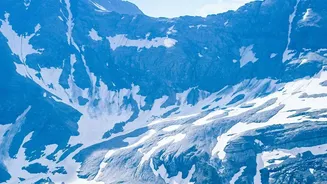
What makes the Deo Tibba trek truly 'dramatic' is the transition from Seri onwards. The path becomes steeper, rockier, and more challenging as it climbs towards the Tainta campsite. Trekkers must navigate moraine fields—ridges of rock and debris left by receding glaciers—and make careful river crossings that can be icy cold. This section is where the trek's moderate-to-difficult rating becomes apparent, demanding stamina and sure-footedness. The raw, untamed beauty of the high-altitude environment is on full display here, with the ever-present view of Deo Tibba's hanging glaciers serving as a powerful motivator. It's a landscape that feels wild, remote, and thrillingly adventurous.
The Final Reward: Mini Chandratal
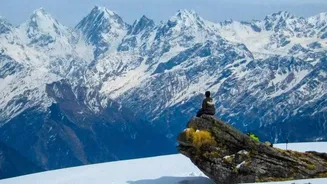
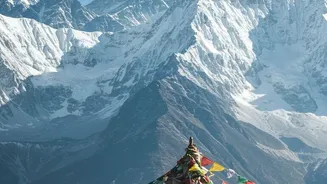
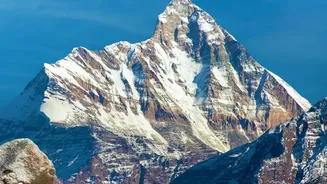
The ultimate destination for most trekkers on this route is the base camp at Tainta and the stunning high-altitude lake known as Mini Chandratal. Nestled in a rocky bowl beneath the towering massif, this emerald lake is the trek's crowning glory. From its shores, the views are simply breathtaking. The majestic dome of Deo Tibba and the sharp, formidable peak of Indrasan dominate the skyline, reflecting perfectly in the still, glacial waters on a clear day. Reaching this point, surrounded by a 360-degree panorama of Himalayan giants, provides an immense sense of accomplishment and offers a moment of profound peace in the heart of the mountains.
Planning Your Journey
The Deo Tibba Base Camp trek is typically a 5 to 6-day journey, rated as moderate to difficult, making it suitable for trekkers with prior high-altitude experience. The best time to undertake this adventure is during the pre-monsoon window from May to June or post-monsoon from September to October. May and June offer the chance to see more snow at higher elevations, while September provides clearer skies and more stable conditions. Physical fitness is crucial, as the trek involves long walking days, significant altitude gain, and challenging terrain. Given the technical sections and remoteness, hiring a certified guide and crew is highly recommended for safety and a more enriching experience.