







A Modern Strategy for Precious Metals
Investing in precious metals has moved beyond just buying physical bars or coins. Financial products like the Tata Gold and Silver Fund of Funds (FOF) offer a modern, accessible way to gain exposure. A Fund of Funds is a mutual fund that invests in other
funds—in this case, Exchange Traded Funds (ETFs) that hold physical gold and silver. According to its August 2026 outlook, Tata Mutual Fund recommends a strategic allocation for investors seeking diversified exposure to precious metals: roughly 70% in gold and 30% in silver. This isn't an arbitrary split; it's a carefully crafted strategy rooted in the fundamental differences between the two metals, particularly their volatility.
Gold: The Anchor of Stability
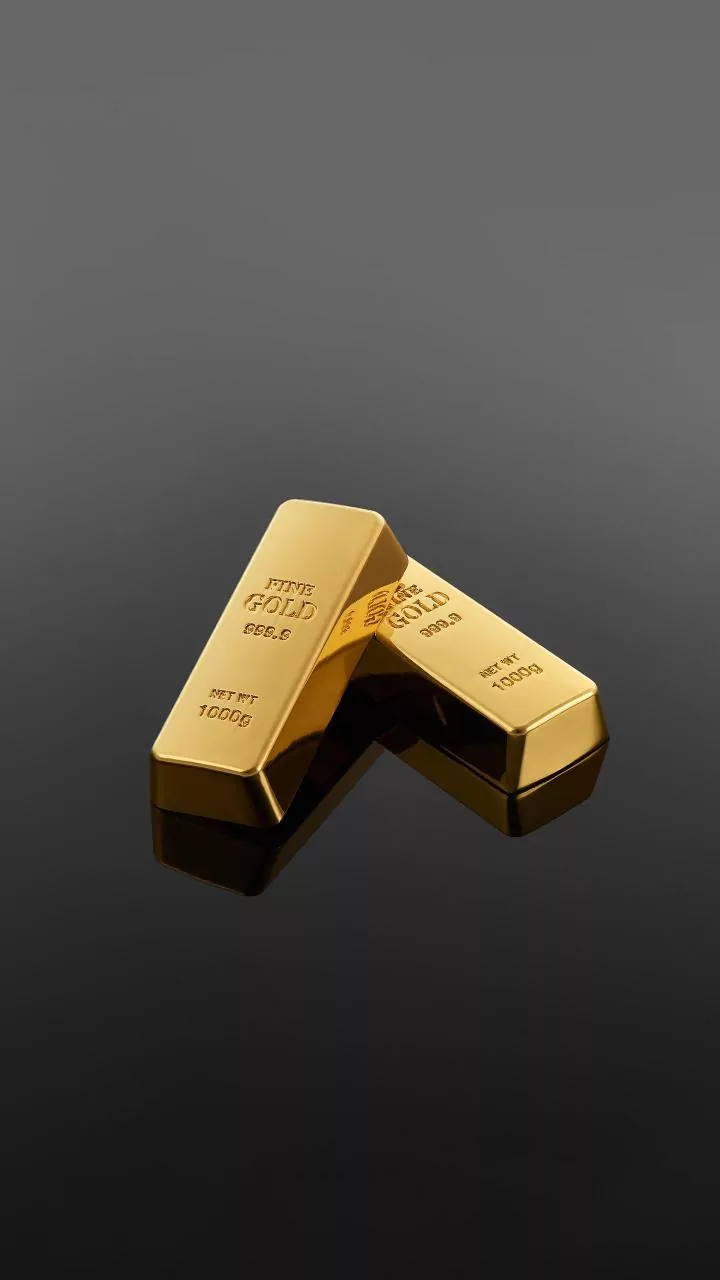
Gold's primary role in a portfolio is to act as a defensive anchor. It's widely considered a safe-haven asset, meaning investors flock to it during times of economic uncertainty, inflation, or geopolitical tension. This reputation is built on its primary demand drivers: central bank reserves, long-term investment, and jewellery. Because its value is not heavily tied to economic cycles, gold tends to be less volatile than many other assets. Its price movements are generally more measured, providing a stabilising effect on a portfolio. The 70% allocation recommended by Tata MF leverages this characteristic, making gold the core of the precious metals holding.
Silver: The Volatile Growth Engine
Silver has a dual identity that makes it fundamentally more volatile than gold. While it is a precious metal, over half of its demand comes from industrial applications. It is a critical component in fast-growing sectors like solar panels, electric vehicles (EVs), and electronics due to its unmatched conductivity. This industrial link means silver's price is sensitive to economic growth; when economies boom, demand for silver rises, and its price can surge. Conversely, during economic downturns, its price can fall more sharply than gold's. This sensitivity is a key reason for its higher volatility, which can be two to three times greater than that of gold.
Why Volatility Shapes the Strategy
The difference in volatility is not just a minor detail; it's the central pillar of the allocation strategy. Silver's market is much smaller and less liquid than gold's. This means that the same amount of money flowing into the silver market will cause a much larger price swing than it would in the massive gold market. This higher volatility presents both an opportunity for greater returns and a higher risk. Tata MF's 30% allocation to silver is designed to capture some of this upside potential driven by industrial growth themes, without exposing the entire portfolio to its sharp price swings. The fund house recommends a staggered investment approach for silver to mitigate the risks associated with its volatility.
Balancing the Portfolio for Investors
By combining a large, stable core of gold with a smaller, more dynamic allocation to silver, the strategy aims to provide a balanced risk-reward profile. The gold portion acts as a hedge against macroeconomic risks, while the silver component offers exposure to long-term structural growth in technology and green energy. For an investor in a fund like the Tata Gold and Silver FOF, this means the portfolio is built to be resilient during downturns (thanks to gold) while still having the potential to perform well during periods of economic expansion (thanks to silver). It's a structured approach that acknowledges the unique personality of each metal, rather than treating them as interchangeable commodities.