





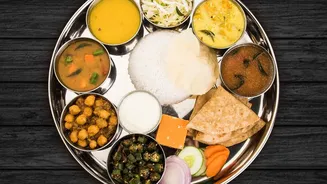
Why Seasonal is Sensible
Opting for seasonal produce is one of the smartest decisions you can make for your kitchen and your finances. When fruits and vegetables are in season, they are at the peak of their supply, which naturally drives down costs. This abundance means they travel
shorter distances from farms to your local mandi, reducing transportation and storage expenses. The result is fresher, more flavourful produce on your plate for a lower price. Beyond the economic benefits, seasonal foods are also nutritionally superior. Produce that is harvested at its natural peak contains higher levels of vitamins, minerals, and antioxidants compared to items that are grown in artificial conditions or picked prematurely to endure long-distance shipping. For instance, the vitamin C content in a locally grown, in-season tomato can be significantly higher than in one purchased off-season. Embracing seasonal eating connects you to a natural, healthier, and more affordable way of life.
The Monsoon and Autumn Harvest (July - November)
The monsoon and post-monsoon period brings a welcome respite from the summer heat and a unique bounty of produce. This is the time for gourds of all kinds—bottle gourd (lauki), ridge gourd (tori), and snake gourd (chichinda) are plentiful and perfect for light curries and stews that are easy to digest. Leafy greens like spinach and amaranth also flourish. Fruits such as jamun, plums, litchi, pears, and pomegranate make their appearance, offering a burst of tart and sweet flavours. These fruits are rich in antioxidants and vitamin C, which are excellent for boosting immunity during a season known for health challenges. Meal ideas are abundant: think hot bhindi masala, comforting lauki chana dal, or a simple cucumber and tomato salad. As we move into autumn (October-November), the markets fill with apples, sweet potatoes, and pumpkins, setting the stage for heartier meals.
Embracing the Winter Bounty (December - February)
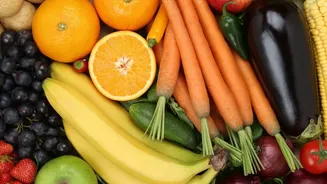
Winter is a celebrated time for food lovers in India, offering a colourful and robust array of vegetables. The cooler weather is ideal for growing nutrient-rich leafy greens like mustard greens (sarson) and fenugreek (methi). This is the season for vibrant carrots, sweet peas, cauliflower, and beans. The availability of these vegetables inspires some of India’s most beloved winter dishes. Nothing says winter in the north like Sarson da Saag with Makki di Roti, a rich and flavourful dish made from mustard greens. It’s also the perfect time to make Gajar ka Halwa, a sweet pudding from fresh carrots. Other popular dishes include Pav Bhaji, a mixed vegetable mash perfect for using cauliflower and peas, and Methi Thepla, a spiced flatbread. For fruits, this is the prime time for citrus like oranges and sweet lime, as well as guava and strawberries.
Summer's Refreshing Choices (March - June)
As temperatures rise, nature provides a bounty of produce designed to cool and hydrate the body. Summer is synonymous with mangoes, the undisputed 'king of fruits', with different varieties appearing as the season progresses. Alongside mangoes, you'll find juicy watermelons and muskmelons, which are packed with water content and perfect for beating the heat. When it comes to vegetables, summer is the season for cooling cucumbers, tomatoes, and a variety of gourds like bottle gourd and bitter gourd (karela). These vegetables are light and easy on the stomach. Meals can be simple and refreshing. A cooling cucumber raita, a simple tomato dal, or a hydrating watermelon juice can make the hot days more bearable. Jackfruit also makes an appearance and can be used in both savoury and sweet preparations.
Smart Shopping for a Smarter Budget
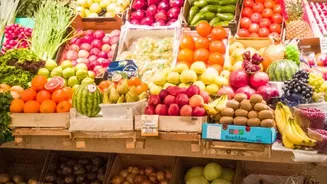
Eating seasonally is the first step; shopping smart is the second. To truly maximise your household budget, plan your meals for the week. Before heading out, check what you already have and build your list around seasonal produce. Visiting your local sabzi mandi or weekly market instead of a supermarket can often result in significant savings, as you bypass the costs of packaging and branding. Don't be afraid to buy staples like dal, rice, and atta in bulk, as the per-kilogram price is almost always lower. For perishables, allocate a strict weekly budget to avoid overspending. Learning basic preservation techniques can also help. For example, you can buy peas in bulk during winter, shell them, and freeze them for later use. By planning meals, shopping locally, and minimising waste, you can reduce your grocery bills without compromising on nutrition or taste.