

What Exactly Is White Butter?
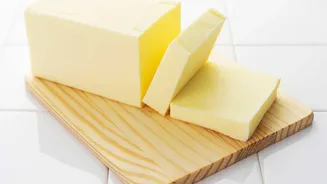
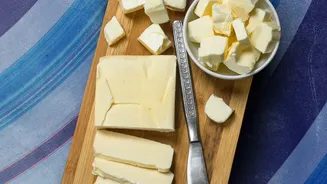
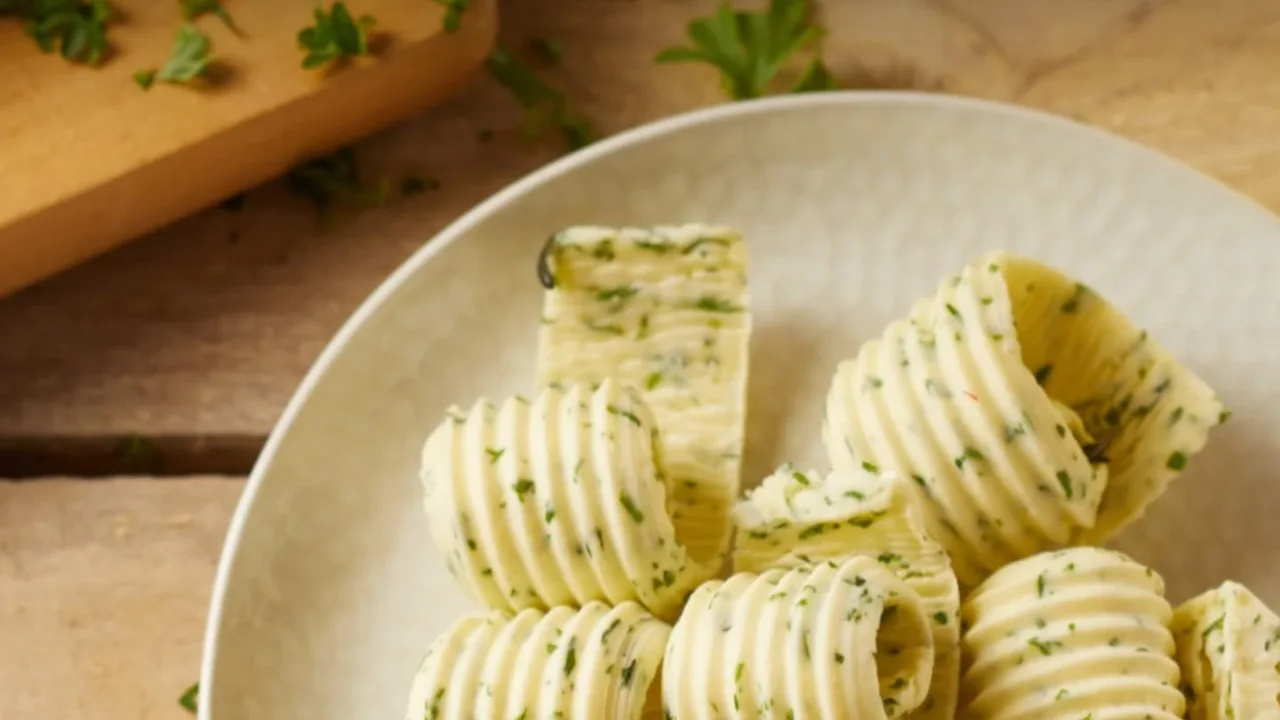
White butter, known in many Indian households as 'safed makkhan', is the pure, unadulterated form of butter. It is made by churning fresh milk cream (malai) until the fat globules separate from the liquid, which is known as buttermilk. Unlike its commercially
produced yellow counterpart, traditional white butter is unsalted, free from preservatives, and minimally processed. This simple preparation method helps retain many of the natural nutrients present in the milk fat, resulting in a product that is not only flavourful but also wholesome. It has a milder, fresher taste and a softer texture compared to the firm, salted sticks of butter commonly found in stores.
A Source of Essential Nutrients
Homemade white butter is a notable source of several key nutrients. It is particularly rich in fat-soluble vitamins, including Vitamin A, D, E, and K. Vitamin A is essential for good vision and immune function, while Vitamin D helps in calcium absorption for strong bones. Vitamin E acts as a powerful antioxidant, protecting cells from damage and supporting skin health. Vitamin K, especially Vitamin K2 found in butter from grass-fed cows, plays a vital role in bone and heart health by helping to regulate calcium in the body. Furthermore, white butter contains healthy fats like butyrate, a short-chain fatty acid that serves as a primary fuel source for the cells lining your gut, promoting digestive health.
White Butter vs. Yellow Butter
The most significant difference between homemade white butter and commercial yellow butter lies in the processing and additives. Many store-bought yellow butters contain added salt, which acts as a preservative to extend shelf life. They may also contain artificial colours and other preservatives. In contrast, homemade white butter is pure fat and water, with no added sodium. This makes it a better option for those monitoring their salt intake. While yellow butter can sometimes have a higher calorie count, the primary distinction is the lack of processing in the homemade version. The yellow hue in butter often comes from beta-carotene, a pigment found in the grass that cows eat, so the colour itself isn't necessarily an indicator of being unhealthy, but the commercial processing often strips away some nutritional benefits while adding unnecessary ingredients.
The Health Benefits of Moderation
When consumed in moderation as part of a balanced diet, white butter can offer several health advantages. Its butyrate content supports a healthy digestive system by nourishing the gut lining and potentially reducing inflammation. The presence of vitamins A and D helps bolster the immune system. For skin health, the antioxidants and Vitamin E in white butter can contribute to a natural glow and improved elasticity. It also contains arachidonic acid (AA), a fatty acid that is important for brain function and development, especially in children. Some health experts also suggest that its molecular structure helps lubricate joints, potentially offering relief to those with joint pain. However, it's crucial to remember that butter is a high-fat, calorie-dense food, so moderation is key to reaping its benefits without negative effects.
How to Make White Butter at Home
Making your own white butter is surprisingly simple. You'll need about two to three cups of fresh, full-fat milk cream (malai), which you can collect over a few days and store in the freezer. Let the cream come to room temperature before you begin. Place the cream in a blender, food processor, or a large bowl if using a hand mixer. Begin to churn or whip it. The cream will first thicken and form soft peaks, like whipped cream. Continue churning, and it will become grainy before the butterfat suddenly separates from the thin, watery buttermilk. At this stage, you can add a little cold water to help the butter firm up. Gather the solid butter and place it in a cheesecloth or a fine sieve. Gently press to squeeze out all the remaining buttermilk. Rinse the butter clump under cold water a couple of times to wash away any leftover buttermilk, which will improve its shelf life. Your fresh, delicious white butter is now ready to be enjoyed.