





The Unseen Risk in Raw Ingredients
The vibrant, fresh herbs that make green chutney a star condiment are often eaten raw, which means any contaminants they carry can make it directly into your system. Produce like cilantro and mint can sometimes harbor harmful bacteria such as E. coli,
Salmonella, and Listeria. These pathogens, invisible to the naked eye, can be present in the soil or introduced during harvesting and handling. Outbreaks of foodborne illnesses have been linked to fresh herbs and leafy greens, making thorough cleaning not just a suggestion, but a necessity. Proper hygiene ensures you’re enjoying the fresh flavours without the risk of an unpleasant illness that can cause symptoms ranging from an upset stomach to more severe conditions.
Mastering the Art of Washing Herbs
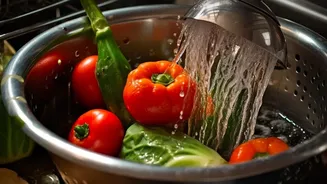
A quick rinse under the tap is often not enough. To properly clean herbs like cilantro and mint, it’s best to submerge them in a bowl of cold water. Gently swish the herbs to dislodge any dirt, grit, or sand, which will sink to the bottom. It's recommended to lift the herbs out of the water rather than pouring the water out, to avoid re-contaminating them with the settled debris. For a more thorough cleaning, some experts suggest repeating this process with fresh water or even adding a teaspoon of baking soda for every two cups of water and soaking for several minutes before a final rinse. Always inspect and discard any leaves that are wilted, yellowed, or have black spots. Do not soak herbs in a sink that hasn't been sanitized, as it can be a source of bacteria.
Beyond the Blender: A Clean Workspace
Cross-contamination is a major food safety risk. Harmful bacteria from raw meat or unwashed surfaces can easily transfer to your chutney ingredients. Always start with clean hands, washing them with soap and warm water for at least 20 seconds. Your equipment—including the blender jar, blades, cutting board, and knives—must be thoroughly washed with hot, soapy water and sanitized between uses. A simple sanitizing solution can be made at home by mixing one tablespoon of unscented bleach with a gallon of water for food-contact surfaces. Pay close attention to your blender, ensuring you clean the base, lid, and blade assembly properly, as tiny food particles can get trapped and breed bacteria.
Smart Storage for Lasting Freshness
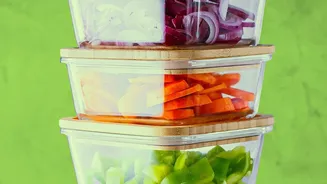
Once your delicious chutney is ready, proper storage is key to preserving its flavour and safety. Transfer the chutney into a clean, dry, and airtight container immediately. Sterilizing glass jars by boiling them in water for several minutes can significantly extend the chutney's shelf life. Homemade green chutney should be stored in the refrigerator and will typically last for several days. For longer-term storage, freezing is an excellent option. Pour the chutney into an ice cube tray, and once the cubes are frozen solid, transfer them to a zip-top freezer bag. This method allows you to conveniently use small portions as needed and can preserve the chutney for several months. Always use a clean spoon to take chutney from the jar to avoid introducing new bacteria.