




The Sacred Start: A Taste of Community Bhog
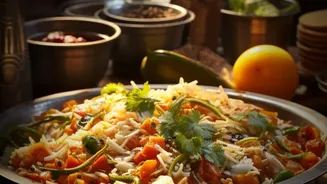
The heart of the Pujo food experience begins at the pandals with 'bhog'. This is the food first offered to the Goddess and then distributed to the community. It's more than just a meal; it's a taste of devotion and togetherness, served freely to all visitors.
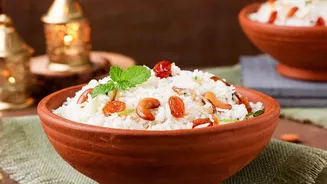
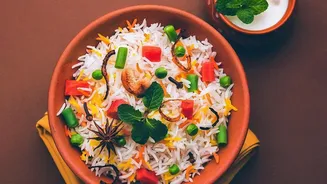
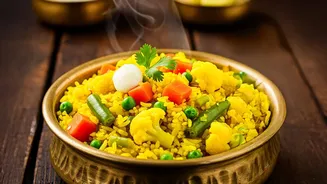
The star of the bhog is almost always a simple yet profoundly satisfying khichuri, made from roasted moong dal and gobindobhog rice. This is typically accompanied by 'labra', a flavourful medley of seasonal vegetables, and 'beguni' or crisp brinjal fritters. While traditionally vegetarian and prepared without onion or garlic, this communal feast is a cherished ritual that provides a soulful start to the day's culinary explorations.
Pandal Hopping and a World of Street Snacks
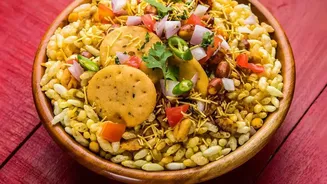
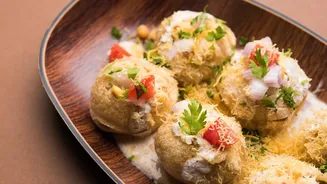
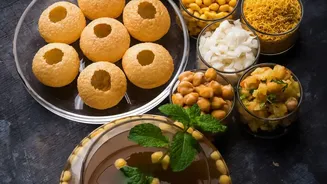
Once the morning prayers and bhog are done, the focus shifts to the streets, which morph into a sprawling food court. Pandal hopping is invariably fuelled by an array of street snacks that define the city's festive spirit. No Pujo is complete without indulging in 'phuchka', Kolkata's iconic version of golgappa, with its spicy potato filling and tangy tamarind water. Another essential on-the-go meal is the Kathi Roll, a flaky paratha wrapped around a filling of egg, chicken, or mutton, perfect for sustaining energy through the long nights of celebration. Equally popular are the various deep-fried 'chops' (minced vegetable or meat cutlets) and the Kolkata-style chowmein, stir-fried in large woks at roadside stalls.
Beyond the Street: Restaurant Feasts and Biryani
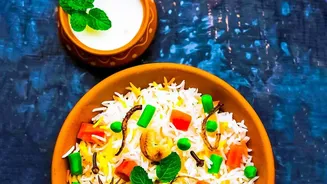
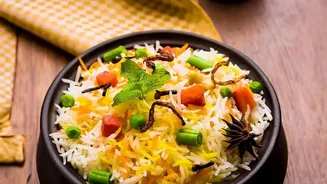
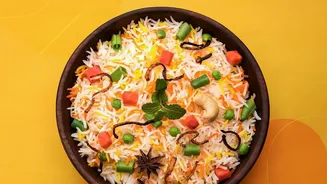
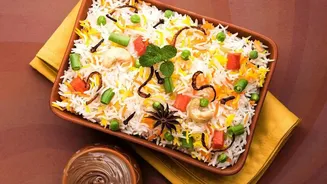
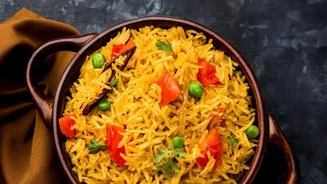
While street food is essential, Pujo is also a time for grand family meals, and restaurants across the city do brisk business. This part of the food trail shows how the culinary celebration has expanded far beyond just devotional offerings. For many, a festive meal out is as much a part of the tradition as the pandal visit itself. Unsurprisingly, Kolkata's beloved biryani is a top choice. The Kolkata-style biryani, fragrant and subtly spiced with its signature potato, is a festive indulgence many look forward to, especially on Nabami, which is often a designated day for non-vegetarian feasts. Restaurants roll out special Pujo menus featuring Bengali classics like 'kosha mangsho' (slow-cooked mutton) and 'daab chingri' (prawns in coconut cream), catering to the city's desire for celebratory dining.
The Sweet Conclusion: Mishti and Bijoya
No Bengali celebration is complete without 'mishti' (sweets), and during Durga Puja, the sweet shops are at their glorious best. From the iconic 'rosogolla' and delicate 'sandesh' to the creamy 'mishti doi' (sweet yogurt), these sweets are integral to the festive mood. The exchange of sweets becomes particularly significant during Bijoya Dashami, the final day of the festival. As families visit friends and relatives to share greetings, a box of sweets is the customary offering, symbolizing goodwill and the sweet taste of victory. This ritual, known as 'Bijoyar Mistimukh', beautifully concludes the five-day feast, leaving a lingering sweetness long after the idols have been immersed.