



Understanding the Post-Fast Urge
After a period of restricted eating, the body's hunger signals can go into overdrive. The production of ghrelin, the 'hunger hormone', often increases, making you feel ravenous. Simultaneously, your digestive system has slowed down. The stomach may have
slightly reduced capacity, and the production of digestive enzymes decreases. This combination of intense hunger and a sluggish digestive system is a perfect recipe for overeating and subsequent discomfort like bloating, acidity, and stomach cramps. Rushing into a large, heavy meal can overwhelm your system. The key is to reintroduce foods gently and mindfully.
Your First Meal Is Crucial
How you break your fast sets the tone for the next few days. Instead of reaching for pooris and halwa, start with something light and hydrating. A glass of water, coconut water, or a fresh fruit juice without added sugar is an excellent first step. For your first small meal, think simple and easy to digest. A bowl of plain curd or yogurt is a fantastic choice as it contains beneficial probiotics that help soothe the gut. A small portion of fruit like a banana or apple, or a light vegetable soup are also great options. The goal is to awaken your digestive system, not shock it.
Embrace Gradual Reintroduction
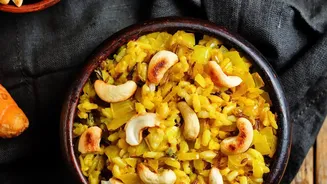
Over the first 24 to 48 hours, think of reintroducing food groups in stages. After starting with liquids and simple fruits, you can move on to cooked vegetables and salads. Ensure your vegetables are steamed, boiled, or roasted rather than fried. Later, you can incorporate whole grains like dalia or khichdi, and lean proteins such as dals or steamed fish. Eating small portions every few hours is far better than having three large meals. This approach prevents overwhelming your gut and helps stabilize blood sugar levels, preventing the energy crashes that can lead to more cravings. Chewing your food thoroughly and eating slowly gives your brain time to register that you are full, which is a key strategy to prevent overeating.
Foods to Favour
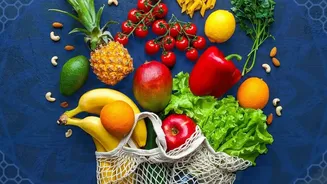
To make your transition smooth, focus on foods that are gentle on the stomach. Probiotic-rich foods like dahi (curd) help restore healthy gut bacteria. Cooked vegetables are easier to digest than raw ones initially. Soups and broths are hydrating and nutrient-rich. Fruits provide natural sugars and vitamins without being too heavy. When you reintroduce grains, opt for simple, well-cooked options. Healthy fats from sources like avocado or a small number of nuts can be added slowly once your system has adjusted. Protein is also important for sustained energy; think lentils, eggs, or chicken in modest portions.
What to Avoid for a Few Days
Just as important as what you eat is what you avoid. For the first couple of days, steer clear of heavily fried, oily, and excessively spicy foods. These can irritate the stomach lining and cause acidity or indigestion. Hold off on rich, sugary sweets and processed snacks, as they can cause rapid blood sugar spikes and lead to constipation or bloating. It's also wise to avoid or limit caffeine and fizzy drinks, as they can cause bloating or dehydration on a sensitive stomach. By giving your body a break from these heavy foods, you allow your digestive system to return to its normal rhythm without stress.