
A Postcard from a Puzzling Planet
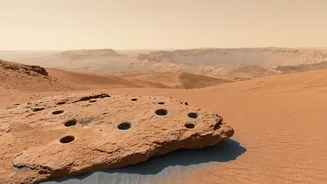
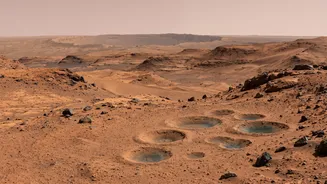
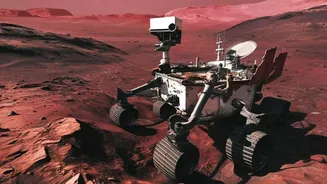
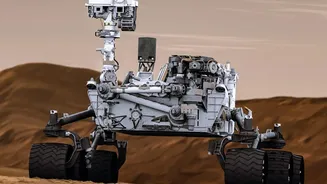
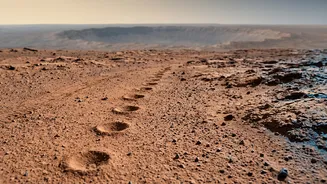
While navigating a region known as Valle Grande, a broad valley on the slopes of Mount Sharp, the Curiosity rover spotted something unusual dotting the rocky ground. They were small, shallow divots, some only a centimetre across, scattered in the bedrock.
Holes on Mars are not inherently strange; the planet is constantly bombarded by meteorites and has its own geological processes. However, these particular pits immediately stood out to the mission's science team as different from the thousands of other features the rover has documented during its long mission in Gale Crater. After more than 14 years of exploration, Mars has once again presented a geological riddle that defies a simple, immediate answer.
Ruling Out the Obvious Suspects
Scientists' first step was to eliminate the most common causes. Typically, small holes in Martian rock form when harder materials, like pebbles or mineral nodules, are embedded in softer surrounding rock. Over eons, the softer rock erodes away, and the harder pebble eventually falls out, leaving a cavity behind. The problem with this theory is that these newly found holes are unusually broad and shallow, and crucially, there are no obvious pebbles or nodules nearby that look like they once occupied the spaces. This lack of a geological 'smoking gun' has forced researchers to look for other, more complex explanations. They are not the typical sharp-edged pits left by meteorite impacts, either. The unique shape and context of these depressions suggest a different formation process is at play.
The Geological Whodunit
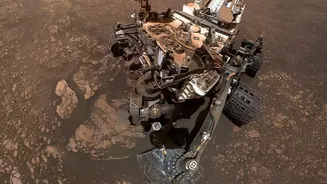
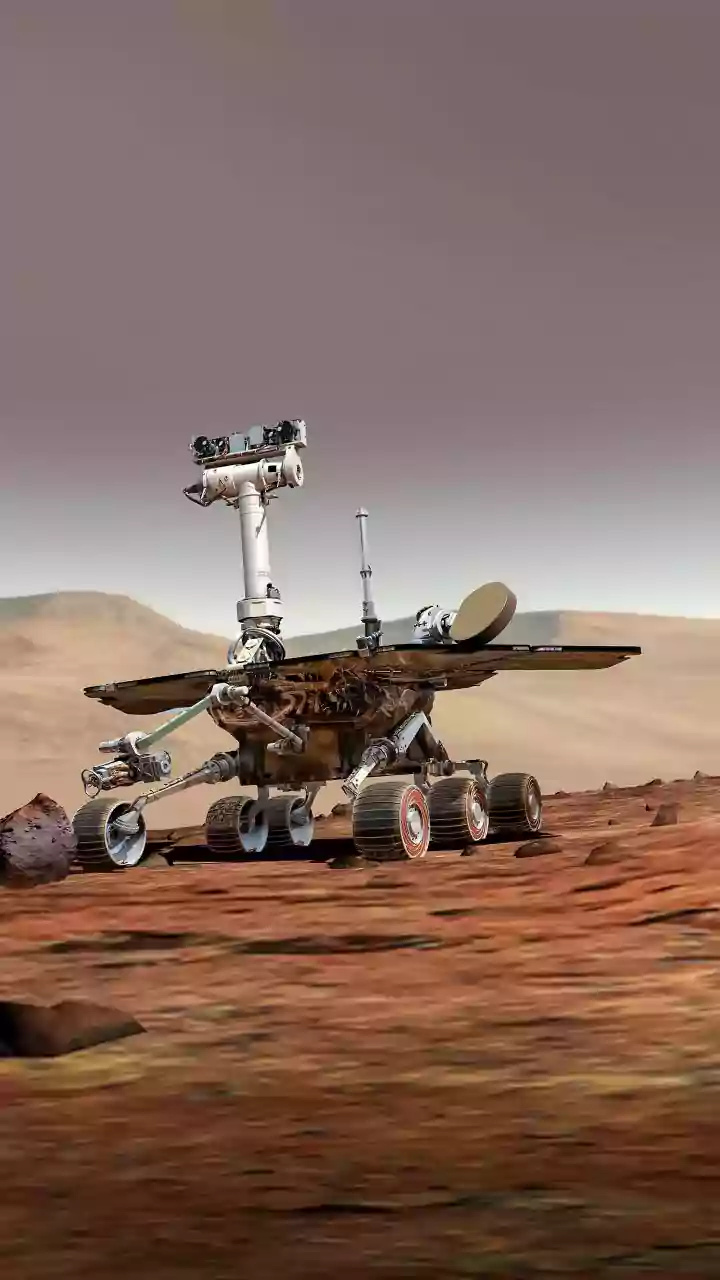
With the simple answers set aside, the real investigation begins. Scientists are now considering a range of more complex geological scenarios. Could the holes be the result of an unfamiliar type of erosion, perhaps from a combination of wind and thermal stress unique to that location? Or could they be related to the past presence of water? The rover is currently exploring sulfate-rich layers, which point to a period when water was evaporating on Mars. It's possible that pockets of salty brine or ice just beneath the surface sublimated—turned directly from a solid to a gas—leaving these shallow depressions. To solve the puzzle, the Curiosity team is using the rover's advanced instruments. The Mars Hand Lens Imager (MAHLI) has taken detailed close-up photos, while the Mastcam is capturing stereo images that can be used to build 3D models of the terrain. These models will allow scientists to precisely measure the pits' dimensions and search for clues in the surrounding rock structure.
Why These Little Holes Matter
A few small holes might not seem like a monumental discovery, but on Mars, tiny features can tell a huge story. Understanding how these pits formed provides another piece of the grand puzzle of Mars's history. Each geological feature acts as a paragraph in the planet's autobiography, revealing details about its past climate, the history of water, and the forces that have shaped its surface over billions of years. This specific area is already of high interest. The rover has also noted rapid changes in the rock layers nearby, suggesting the environment was transforming quickly when these rocks were laid down. Discoveries like this are fundamental to NASA's core mission on Mars: to determine if the planet ever had conditions suitable for life. While these holes are not being linked to biological activity, understanding the geological and watery processes that created them is crucial for identifying potentially habitable environments of the past.