




What is E20 and Why the Change?
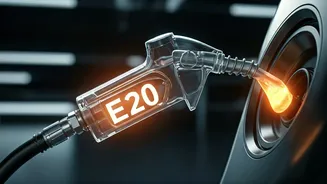
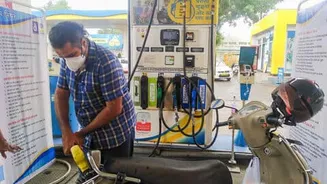
E20 is a blend of 80% petrol and 20% ethanol. India has aggressively pushed for its adoption under the Ethanol Blended Petrol (EBP) Programme, reaching its nationwide E20 goal in 2025, five years ahead of schedule. The primary goals are to reduce the country's
massive oil import bill, which could save an estimated ₹30,000 crore annually, lower carbon emissions, and provide an additional income stream for farmers who grow crops like sugarcane and maize used for ethanol production. It's part of a larger strategic shift towards greater energy security and a cleaner environment.
New Vehicles: Built for the Challenge
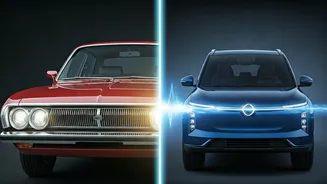
If you purchased a petrol car or two-wheeler manufactured after April 2023, you can breathe easy. These vehicles were built to comply with BS6 Phase 2 emission norms, which mandated E20 compatibility. Major manufacturers like Maruti Suzuki, Hyundai, Tata Motors, and Honda have confirmed their entire petrol lineups produced since that date are fully E20 compliant. This means their engines and fuel systems, including rubber and plastic components, are specifically designed to handle the chemical properties of 20% ethanol without any issues. You can verify this by checking for an 'E20' sticker on the fuel lid or consulting your owner's manual.
The Real Concern: Older Vehicles
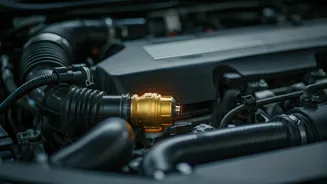
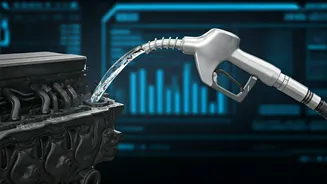
The main concern lies with vehicles manufactured before 2023, especially those made before 2018, which were primarily designed for E5 or E10 fuel. Ethanol has different properties than pure petrol. It is more corrosive and can absorb water from the atmosphere, a property known as being hygroscopic. In non-compliant vehicles, this can lead to several potential long-term issues. Rubber and plastic components in the fuel lines, seals, and gaskets can swell, harden, or crack over time, potentially causing fuel leaks. The solvent nature of ethanol can also dislodge existing deposits in older fuel tanks, which can then clog fuel filters and injectors.
What Official Tests and Studies Reveal
This is the core of the debate. Numerous vehicle owners have reported concerns about reduced mileage and potential engine damage. However, government bodies and automotive industry experts maintain that extensive testing shows E20 is safe. Studies conducted by the Automotive Research Association of India (ARAI) on older vehicles found no significant engine damage or abnormal wear. Officials acknowledge a slight drop in fuel efficiency, typically in the range of 3-6%, because ethanol has a lower energy density than petrol. Industry representatives from major brands like Maruti Suzuki and Hero MotoCorp have stated that analysis of service data from millions of vehicles has not shown an increase in component failures attributable to E20 fuel.
Industry Assurances vs. Public Skepticism
Despite official assurances, public skepticism remains, fueled by anecdotal reports and social media discussions. In response, industry leaders held press conferences in July 2026 to counter what they call 'misinformation'. They stress that the E20 rollout was a measured, scientific process with years of evaluation. Vikram Gulati of Toyota Kirloskar Motor stated that misconceptions are largely unfounded and that studies showed wear and tear on some older rubber parts was slight and easily addressed. The government has also launched fact-checking initiatives to debunk myths, clarifying that warranties are not voided by using E20 and that there is no widespread pattern of engine failures.
What Should You Do?
For owners of modern cars (post-April 2023), no action is needed. Your vehicle is ready for E20. For owners of older vehicles, the situation requires awareness, not panic. First, confirm your vehicle's status by checking the manual or contacting an authorized service center. While experts say the risks of catastrophic failure are low, it is wise to be proactive. Pay close attention to your vehicle's performance. If you notice persistent rough idling, difficulty starting, or a strong fuel smell, it's best to have your fuel system inspected by a qualified mechanic. Regular maintenance becomes even more crucial to ensure the fuel filter and lines remain in good condition.