






The Global Connection to Your Plate
It may seem distant, but international conflict has a direct impact on food prices everywhere, including India. When conflicts erupt, especially in key regions, they disrupt more than just borders; they disrupt the complex web of global trade. Shipping
routes can become insecure or closed, driving up freight and insurance costs for everything, including essential commodities like fuel and fertiliser. For instance, tensions in major maritime channels can delay shipments and increase the cost of energy. This makes it more expensive to produce and transport goods. Even if a conflict doesn't directly involve major agricultural producers, the resulting spike in energy prices affects farmers worldwide, leading to higher costs that are eventually passed on to consumers. The world is interconnected, and a crisis in one corner can create economic ripples that reach kitchens across the globe.
How India Fits into the Global Rice Bowl
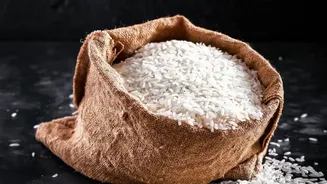
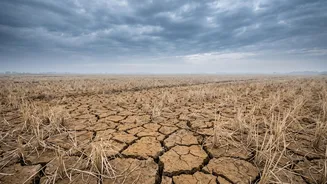
India holds a unique and powerful position in the global rice market, accounting for a staggering 40% of the world's rice exports. The country produces enormous quantities of rice, often yielding record harvests that create a significant surplus. For example, states like Telangana produce nearly ten times more rice than they consume annually. To protect its own population from price shocks, the Indian government often employs policies like restricting or banning exports to ensure ample domestic supply and keep local prices stable. This strategy helps insulate Indian consumers from the worst of global price volatility. However, India isn't completely immune. Factors like a weak monsoon can raise concerns about future crop yields, and the rising global cost of fertilisers, driven by international events, can still pressure domestic production costs. So while India has a strong buffer, it still operates within the larger, often unpredictable, global economy.
Decoding Your Higher Grocery Bill
So, why are you paying more for that bag of rice? It’s a combination of these global and local pressures. Even with government interventions, the higher costs of fuel for transportation and fertilisers for farming eventually find their way to the market. Recent data from September 2026 shows that while rice futures have seen some consolidation after a summer rally, prices remain firm due to concerns over India's weaker-than-normal monsoon. Although India's domestic supply is generally robust, any perception of future tightening can keep prices elevated. This trickles down from the wholesale markets to your local grocer, who also has to contend with higher operating costs. It’s not just rice; prices for other staples like onions, ginger, and cooking oil have also been on the rise, contributing to overall food inflation that strains household budgets.
Smart Ways to Manage Your Kitchen Budget
While you can't control global markets, you can control your own kitchen expenses. The most effective strategy is planning. Before you shop, make a list of what you need for the week to avoid impulse buys and reduce waste. Buying staples like rice, dal, and atta in bulk can often be cheaper per kilogram, but only for items you use regularly and have space to store properly. For fresh produce, focus on seasonal and local vegetables, which are typically less expensive and fresher. Consider a hybrid shopping model: make one large monthly trip to a wholesale store for non-perishables and smaller weekly trips to your local mandi or neighbourhood shop for fresh items. Finally, be mindful of food waste. Using leftovers and storing food correctly ensures you get the most out of every rupee spent. Small, consistent habits can make a significant difference in managing rising food costs.