


Manas National Park: A World Heritage Gem
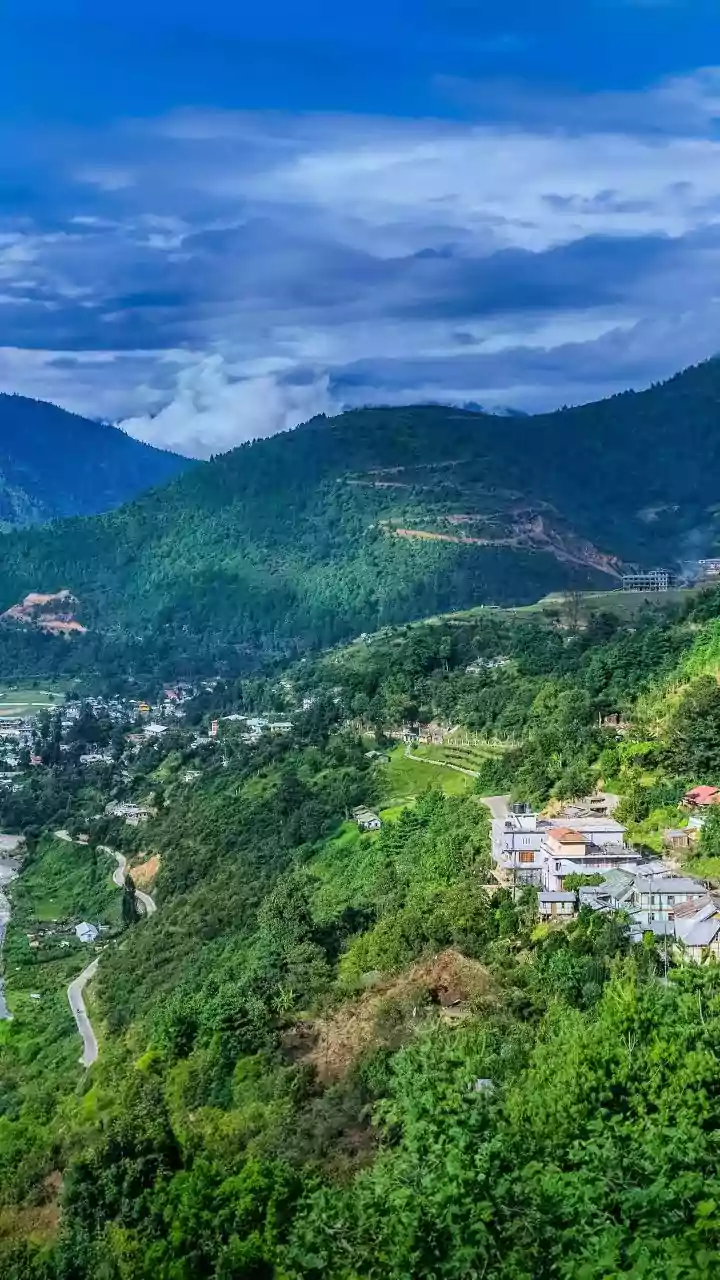
Nestled in the Himalayan foothills and bordering Bhutan, Manas National Park is a UNESCO World Heritage Site celebrated for its stunning beauty and rare wildlife. While rhinos have been successfully reintroduced here, the park is a critical habitat for a host
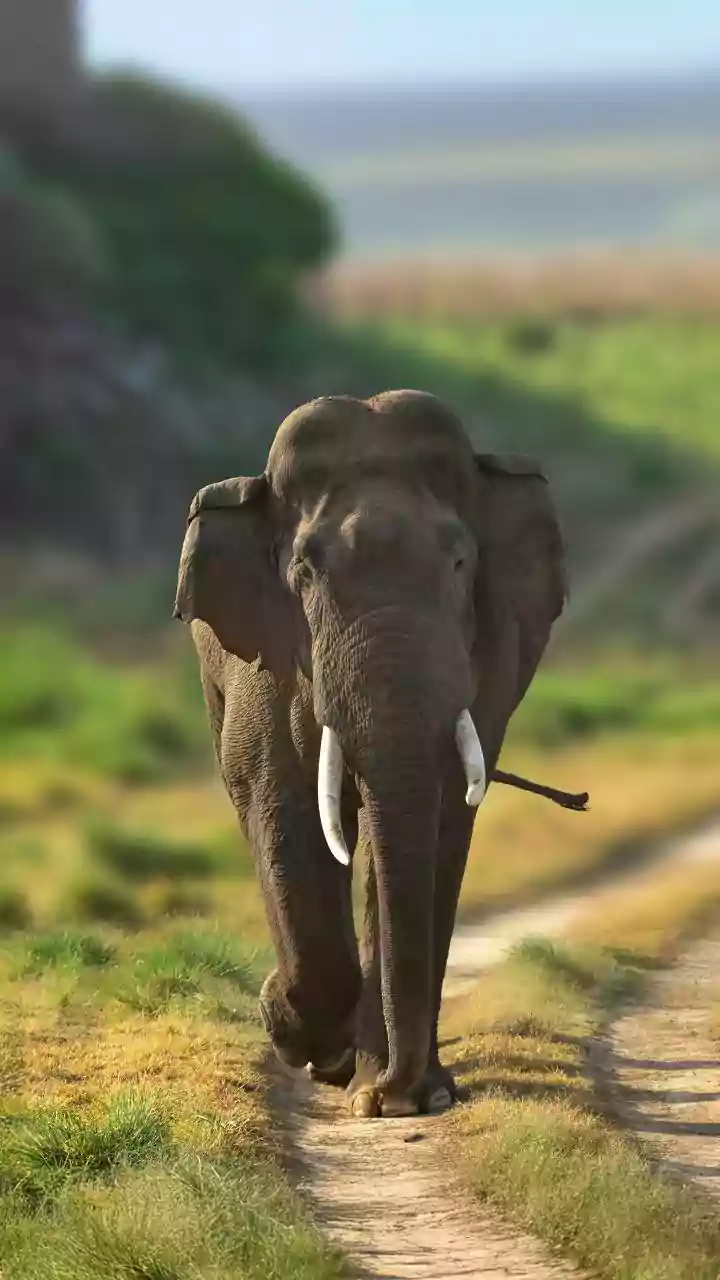
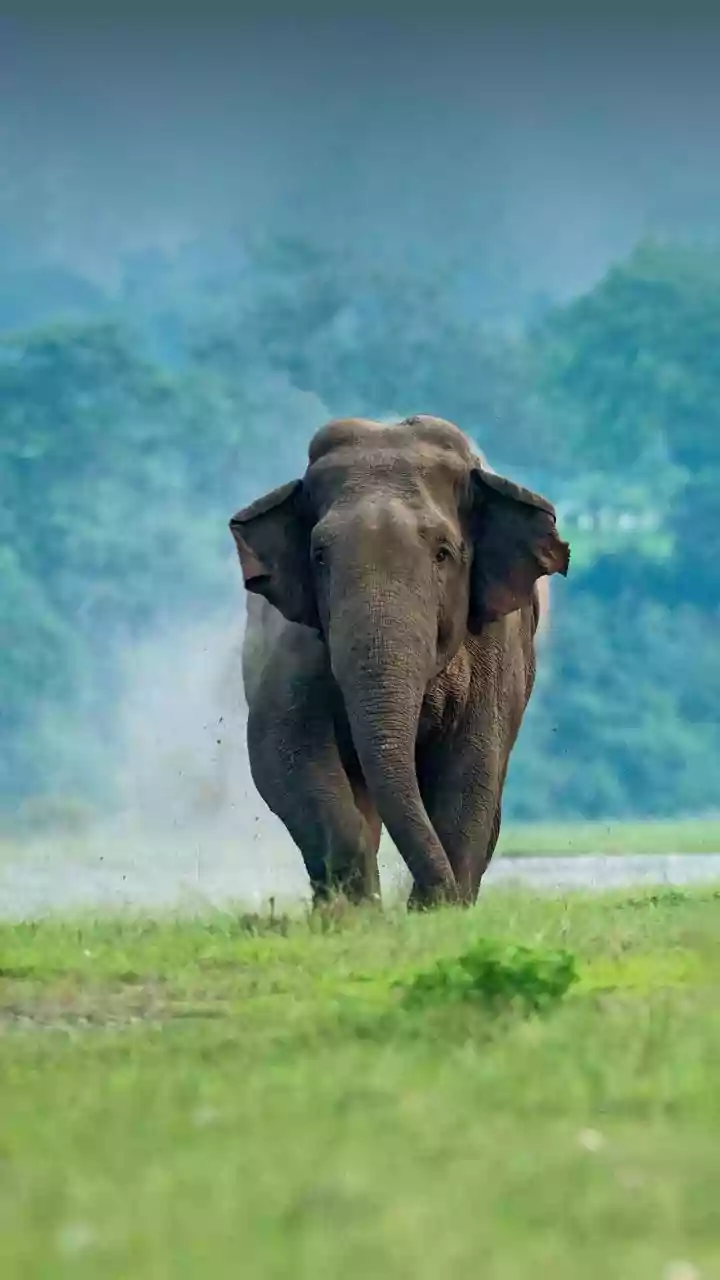
of other species. It's known for its population of wild water buffalo, elephants, and tigers. The park is one of the last remaining homes for the endangered pygmy hog and the charming golden langur, which are rarely seen elsewhere. The Manas River flows through the park, creating a breathtaking landscape of alluvial grasslands and dense tropical forests. Visitors can embark on jeep safaris through its three distinct ranges or simply soak in the serene environment that makes Manas a truly special conservation area.
Nameri National Park: A Birdwatcher’s Paradise
For those who find joy in the flutter of wings and the chorus of birdsong, Nameri National Park is an essential destination. Located in the foothills of the Eastern Himalayas, this park is a birder's paradise with over 300 avian species recorded. It is a crucial habitat for the endangered white-winged wood duck, along with impressive species like the great pied hornbill, wreathed hornbill, and the elusive ibisbill. Unlike other parks, Nameri offers unique experiences like guided forest treks and river rafting on the crystal-clear Jia Bhoroli river, which flows through its heart. While angling for the golden mahseer is a popular activity, the real thrill lies in exploring the dense semi-evergreen forests on foot, where you might also spot elephants, leopards, and sambar.
Dibru-Saikhowa: The Land of Feral Horses
Dibru-Saikhowa National Park offers a truly unique landscape as a biosphere reserve comprising semi-evergreen forests, swamps, and sprawling wetlands. Situated between the Brahmaputra and Dibru rivers, it is one of the few places in India where you can find feral horses. These animals are believed to be descendants of army horses that were let loose during World War II and have since adapted to a wild existence on the riverine islands, or 'chaporis'. The park is also a vital habitat for the Ganges river dolphin and a diverse range of mammals and birds. Accessible primarily by boat, exploring this wild terrain feels like a true adventure into an untamed part of Assam, offering a glimpse into a fascinating ecological niche.
Hoollongapar Gibbon Sanctuary: A Primate Haven
Tucked away near Jorhat amidst a sea of tea gardens is the Hoollongapar Gibbon Sanctuary, a compact but incredibly biodiverse forest. As its name suggests, this protected area is a stronghold for India's only ape, the western hoolock gibbon. The morning air here is often filled with the haunting calls of gibbon families as they swing through the tall hollong trees that form the forest canopy. What makes this sanctuary special is that it is home to seven different primate species, including the Bengal slow loris—northeastern India’s only nocturnal primate—stump-tailed macaque, and capped langur. Visitors can explore the sanctuary on foot with a guide, making for an intimate and immersive forest experience that stands in quiet contrast to the jeep safaris of larger parks.