






The Shocking Ahmedabad Ketchup Raid
Food safety officials in Ahmedabad recently uncovered multiple manufacturing units producing and distributing counterfeit tomato ketchup. In raids conducted in areas like Pirana and Gota, authorities seized thousands of kilograms of product that was shockingly
made without any tomatoes at all. These illicit factories were allegedly supplying the fake sauce to local street food vendors and eateries, who were drawn in by the incredibly low price. The conditions in these facilities were described as extremely unhygienic, posing a significant public health risk.
What Was in the 'Fake' Ketchup?
Instead of ripe tomatoes, the primary ingredient in this counterfeit sauce was a pulp made from potatoes, thickened with starch powder like arrowroot. To mimic the signature red colour of ketchup, manufacturers used synthetic food dyes and chemicals. A sour taste was achieved not with vinegar, but with the addition of acetic acid. This concoction of potato pulp, starches, artificial colours, and acids was then packaged and sold as tomato ketchup, deceiving vendors and consumers alike. Health experts warn that consuming such adulterated products can lead to a host of health issues, from stomach ailments to more severe organ damage with long-term exposure.
A Chef's Answer: Honesty in a Bottle
In a world where even basic condiments can be deceptive, the philosophy of chefs like Saransh Goila offers a refreshing and safe alternative. Known for his celebration of traditional Indian cooking with a modern, accessible approach, Goila champions the use of fresh, honest ingredients. His approach to food is about enjoying the process and knowing exactly what goes into your meals. This ethos is particularly relevant now, encouraging home cooks to reclaim their kitchens and move away from mass-produced items that may hide unpleasant secrets. Making your own staples, like ketchup, is not just about superior flavour—it's about health, safety, and transparency.
Chef Saransh Goila's Approach to Ketchup
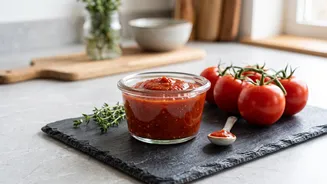
Inspired by Chef Goila's philosophy of simple, flavourful cooking, this recipe for homemade ketchup puts real ingredients front and centre. It’s a preservative-free version that captures a perfect sweet, sour, and savoury balance. The natural sweetness comes from ripe tomatoes and a touch of sugar, while spices provide depth and complexity. Unlike the fake versions, this recipe is all about celebrating the true taste of tomatoes. The best part is its simplicity; it requires just a handful of common pantry items and about 30 minutes of your time.
Your Homemade Ketchup Recipe
Here is a simple, Goila-inspired recipe to make your own safe and delicious ketchup. You will need: 1 kg ripe red tomatoes, roughly chopped; 1 medium onion, chopped; 3-4 cloves of garlic; 1-inch piece of ginger; 1 bay leaf; 2-3 cloves; 1 small stick of cinnamon; 4 tablespoons of sugar (or to taste); 1 teaspoon of red chilli powder; Salt to taste; and 3 tablespoons of white vinegar. This recipe avoids all artificial thickeners and colours, relying instead on the natural pectin in tomatoes to create the perfect consistency when simmered.
Step-by-Step Instructions
First, combine the tomatoes, onion, garlic, ginger, and all the whole spices (bay leaf, cloves, cinnamon) in a pressure cooker or a heavy-bottomed pot. Add about half a cup of water and cook until the tomatoes are very soft, for about 3-4 whistles in a pressure cooker. Let the mixture cool down completely. Once cool, remove the whole spices and blend the mixture into a very smooth puree. Strain the puree through a fine-mesh sieve to remove any seeds or skin, ensuring a silky-smooth texture. Pour the strained puree into a pan and place it on medium heat. Add the sugar, salt, and red chilli powder. Let it simmer, stirring occasionally, for about 15-20 minutes or until the sauce thickens to your desired consistency. Finally, stir in the vinegar, cook for another minute, and then turn off the heat. Your homemade ketchup is ready. Allow it to cool completely before transferring it to a sterilized glass bottle or jar. It can be stored in the refrigerator for several weeks.