




We buy them for their beauty and the promise of fresh, clean air. But while indoor plants are wonderful additions to our homes, the idea that a handful of them can purify a room is a persistent myth that needs a closer look.
The Green Belief: A NASA Study and a Viral Idea
The belief that houseplants
are nature's air purifiers isn't just a feeling; it's rooted in a famous 1989 study by NASA. Researchers were looking for ways to clean the air in sealed environments like space stations. They placed common houseplants in small, sealed plexiglass chambers and injected pollutants like formaldehyde and benzene. The results were promising: over 24 hours, plants like English Ivy and Peace Lilies removed a significant percentage of these volatile organic compounds (VOCs). This study became the foundation for the widespread belief that adding a few plants to our living rooms and bedrooms could scrub the air clean, a comforting thought for anyone living in a bustling Indian city.
The Problem with the Promise: From Lab to Living Room
The issue is that our homes are nothing like a sealed NASA chamber. A 2019 review of decades of research poured cold water on the idea, highlighting the critical differences. Your home has constant air exchange from windows, doors, and tiny cracks, a process that dilutes pollutants far more rapidly than a few plants can absorb them. The NASA study involved a one-time injection of pollutants into a tiny, static environment. In contrast, our homes have continuous sources of new pollutants from cooking, cleaning products, furniture, and outdoor air, and the volume of air is vastly larger. The science isn't wrong—plants do absorb tiny amounts of VOCs—but the scale is the problem.
The Numbers Don't Lie: A Forest in Your Flat
So, how many plants would it actually take to make a difference? The research is sobering. To compete with a building's natural air exchange rate, you would need somewhere between 10 and 1,000 plants per square metre of floor space. To put that in perspective, a small 100-square-foot room would require a minimum of 100 plants, and potentially up to 10,000, to achieve significant air purification. Some scientists estimate you'd need about 680 plants in a typical 1,500-square-foot home just to keep up. Essentially, you'd have to live in a dense, impassable jungle to replicate the results seen in the lab. A few decorative pots on a windowsill simply can't handle that workload.
Don't Ditch Your Plants Just Yet
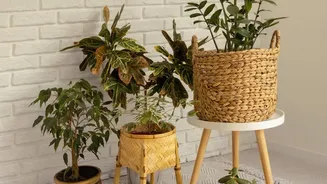
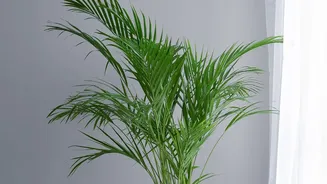
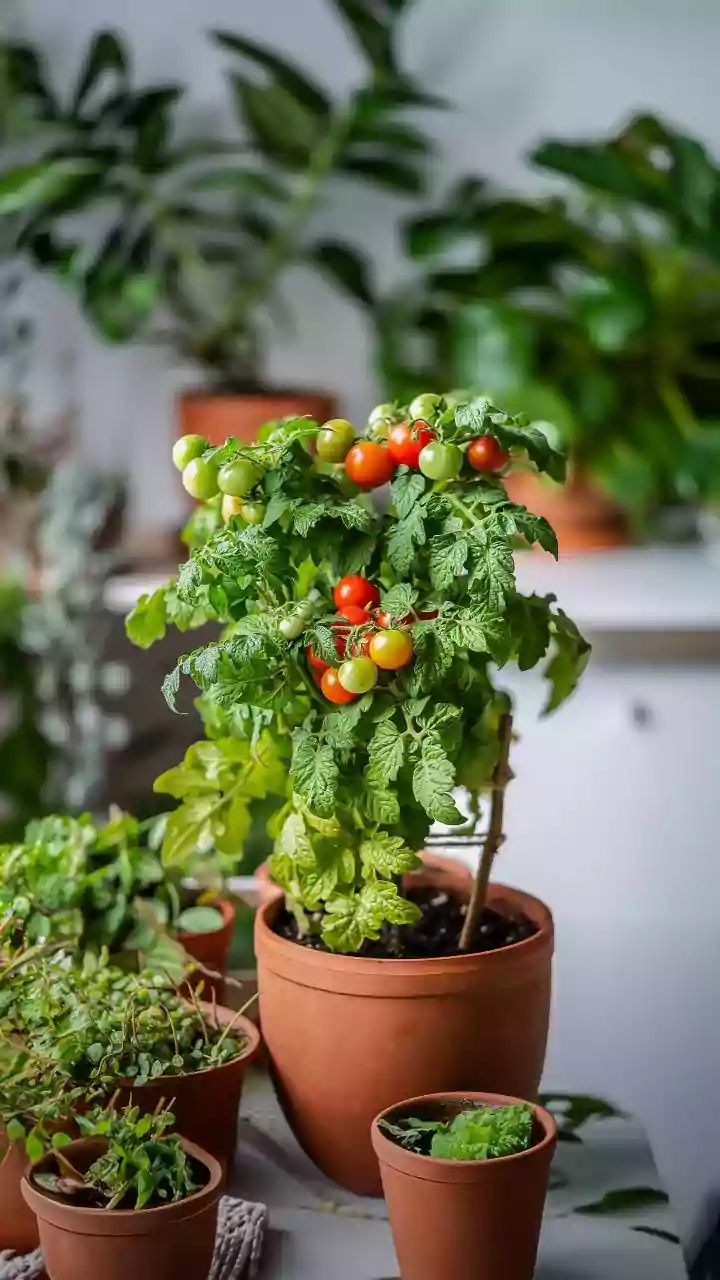
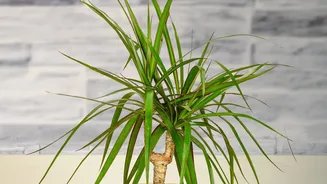
This doesn't mean your beloved money plant or snake plant is useless. While they aren't powerful air-scrubbing machines, indoor plants offer numerous other proven benefits. Studies have shown that being around plants reduces stress and anxiety, boosts mood, and can even improve focus and productivity. They add natural beauty to our spaces, connect us with nature, and can help regulate humidity through a process called transpiration. These psychological and aesthetic benefits are real and valuable. So, love your plants for what they are: beautiful, calming living decor that makes your house feel more like a home, not for an unkept promise of a pollution-free bubble.
What Actually Cleans Indoor Air?
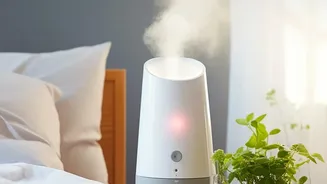
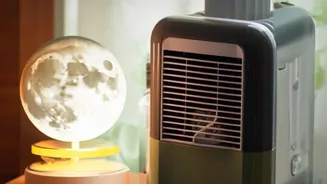
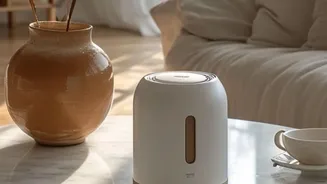
If your goal is genuinely cleaner air, especially in urban areas with high levels of particulate matter (PM2.5), you need a different strategy. According to the EPA and other health organisations, there are three primary methods. First is source control: reduce pollutants at their origin by using low-VOC paints, avoiding harsh chemical cleaners, and ensuring gas stoves are well maintained. The second, and simplest, is ventilation. Regularly opening windows to allow fresh air to circulate is one of the most effective ways to dilute indoor pollutants. Third, for a more powerful solution, use mechanical air purifiers. A good air purifier with a HEPA filter is designed to capture 99.97% of tiny airborne particles, including dust, pollen, and smoke—things plants can't remove at all. These machines are thousands of times more effective at cleaning the air than houseplants.