




What Exactly Is Neelakurinji?
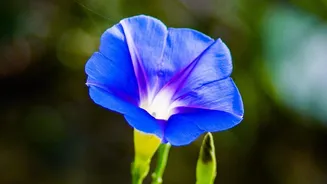
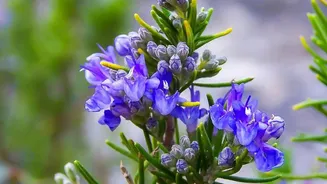
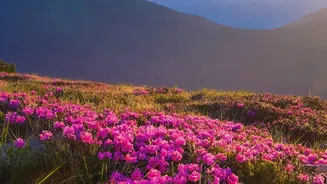
Neelakurinji, or Strobilanthes kunthiana, is a shrub found in the shola grasslands of the Western Ghats. Its name is a combination of the Tamil and Malayalam words 'neela' (blue) and 'kurinji' (a local name for the flower). This isn't just any plant;
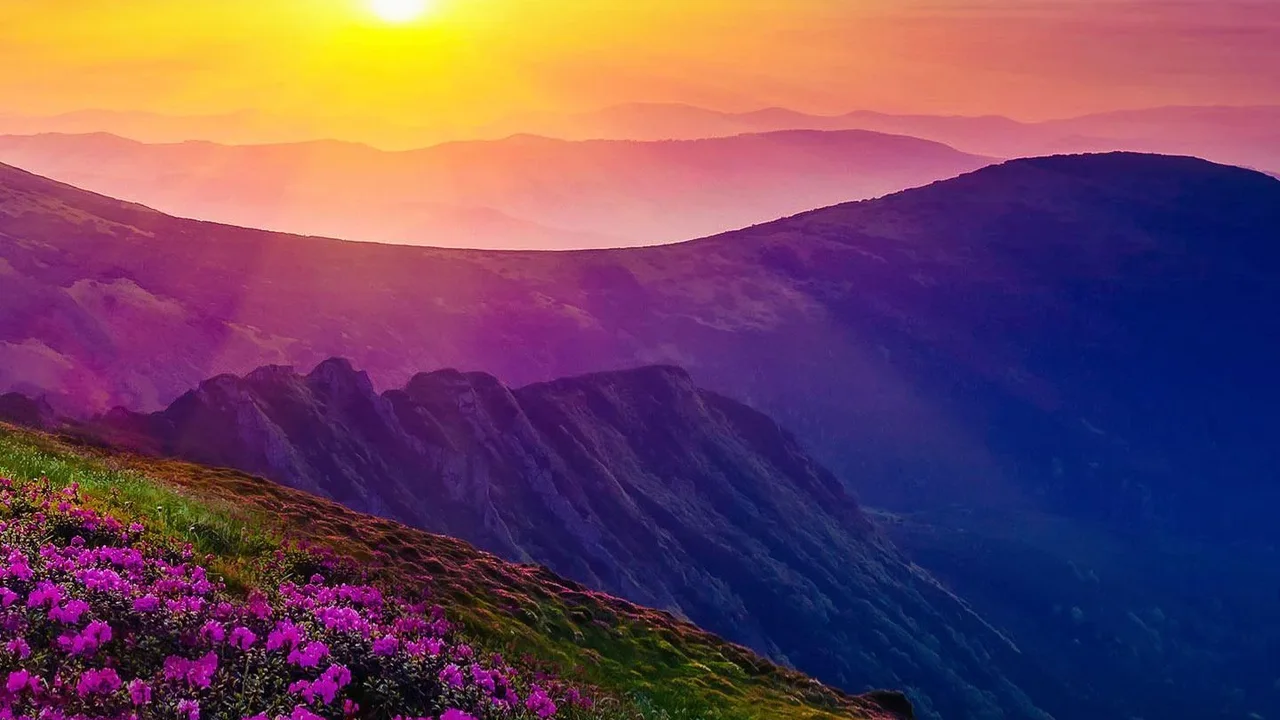
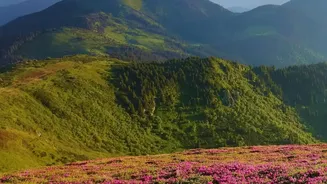
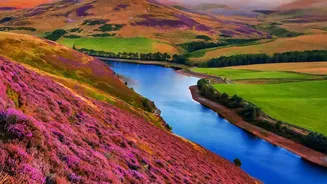
it's a celebrity in the botanical world, famous for its unusual and synchronised mass flowering. The Nilgiri Mountains, which literally means 'Blue Mountains', are believed to have gotten their name from this very flower that paints them blue every 12 years. Historically, the local Paliyan tribal people even used the blooming cycle to calculate their age.
The 12-Year Secret
The magic of the Neelakurinji lies in its lifecycle. It's a monocarpic plant, meaning it flowers only once in its lifetime, sets seeds, and then dies. This process is a remarkable evolutionary strategy known as masting, or predator satiation. For 11 years, the plant focuses on growth, offering no flowers or seeds, which keeps populations of seed-eating predators low. Then, in the 12th year, all the plants in a specific population bloom at once, producing an overwhelming number of seeds. Predators can't possibly eat them all, ensuring enough survive to germinate and start the long cycle all over again.
The 2026 Bloom: Two Clocks Ticking
There has been some confusion about the timing of this year's bloom, with many expecting the next major event in 2030. Here’s the reality: different populations of Neelakurinji in the Western Ghats operate on different 12-year clocks. The most famous flowering, which occurs inside Eravikulam National Park, last happened in 2018 and is indeed due next in 2030. However, the current 2026 bloom is from a different population located around the Chokramudi, Korandakadu, and Mattupetty hills. This specific group last bloomed in 2014, making 2026 its scheduled year to shine.
Where to See the Flowers
For those hoping to witness this natural wonder in 2026, the main viewing areas are the slopes of the Chokramudi and Korandakadu hills, near Mattupetty Dam. These areas have been opened to tourists, offering stunning views of the violet-blue blossoms. Forest officials expect the flowering, which began in August, to peak through September and possibly spread to other high-altitude areas like Meesapulimala. It is crucial for visitors to remember that Eravikulam National Park is not the site for this particular bloom. The nearest major town is Munnar, which is accessible by road, with the closest railway station in Aluva, about 110-120 km away.
A Call for Responsible Tourism
The Neelakurinji is more than just a pretty flower; it's a vital part of a fragile ecosystem. The plant's high-altitude shola-grassland habitat is under threat from development and tourism pressure, and the species was recently classified as 'Vulnerable' on the IUCN Red List. Authorities are regulating access to viewing areas to protect the plants and the environment. Visitors are urged not to pluck or damage the flowers, with strict penalties in place for offenders. The goal is to admire the beauty of the bloom while ensuring its preservation for future generations. When you visit, stick to designated paths, do not litter, and respect the sensitive ecology of the region.