




A New Vision for Wildlife Tourism
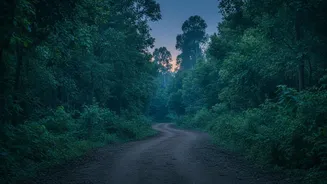
Imagine exploring a forest after dark, guided by simulated moonlight, as the jungle comes alive. This is the vision behind India’s first night safari, an ambitious project in Lucknow inspired by Singapore's world-renowned attraction. Unlike traditional
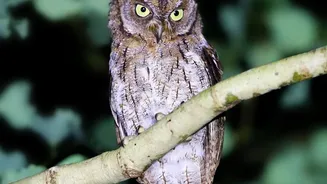
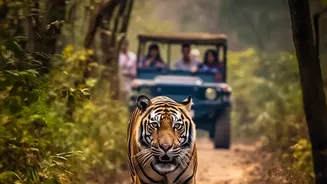
daytime zoos where many animals are resting, a night safari allows visitors to observe nocturnal and crepuscular species when they are most active. The experience is designed to be immersive yet non-intrusive. Visitors will journey through the park on quiet electric trams, watching animals in expansive, naturalistic enclosures. Specialised, low-impact lighting that mimics moonlight will illuminate the trails, ensuring clear views without disturbing the animals' natural behaviours.
The Transformation of Kukrail Forest
The sprawling Kukrail Reserve Forest, located on the outskirts of Lucknow, will serve as the canvas for this massive undertaking. The project will cover approximately 855 acres within the larger 2,027-hectare reserved forest. This area is already a site of ecological importance, famously hosting a gharial conservation and rehabilitation centre since 1975, which has been instrumental in breeding and releasing thousands of these endangered reptiles back into India’s rivers. The new development aims to build on this legacy, integrating tourism with a strong focus on conservation. The project has recently received its final clearance from the Supreme Court, paving the way for construction to begin.
What Animals Will You See?
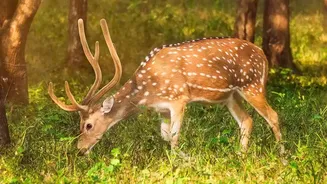
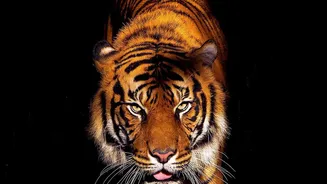
The night safari is being designed to house an impressive array of wildlife. The master plan includes creating large, theme-based habitats for iconic species such as the Asiatic lion and the Bengal tiger. Visitors can also expect to see leopards, hyenas, sloth bears, and even fascinating smaller creatures like flying squirrels. In total, the night safari section is planned to host 54 different species in 42 modern enclosures. These habitats will be designed to mirror natural ecosystems, incorporating features like grasslands and rock formations to provide an enriching environment for the animals and a more authentic experience for visitors.
More Than Just a Night Safari
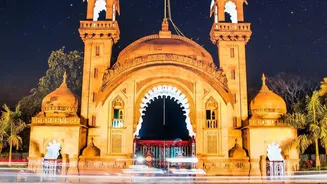
The project's scope extends beyond just the after-dark experience. The state government also plans to establish a brand-new, modern day zoo on an adjacent 199-acre plot. This clarifies earlier confusion: the historic Nawab Wajid Ali Shah Zoological Garden in the heart of Lucknow will not be relocated. Instead, Kukrail will become an integrated wildlife destination with both a night safari and a day zoo. The entire complex is planned to feature educational facilities like interpretation centres and a 7D theatre to raise awareness about wildlife protection. While some initial proposals for an adventure zone were scaled back to prioritise the forest's ecology, the focus remains on creating a comprehensive eco-tourism hub.
The Road Ahead and Economic Impact
With the Supreme Court's green signal in July 2026, the Rs 1,510-crore project is now set to move from blueprint to reality. While construction timelines estimate the project will take at least two years to complete, the anticipation is already building. Officials expect the park to draw a significant number of visitors, potentially 4,000 on weekdays and up to 8,000 on weekends and holidays. This influx of visitors is expected to provide a major boost to Uttar Pradesh's tourism circuit, which has traditionally been centred around heritage and spiritual sites. The safari is poised to generate local employment and establish Lucknow as a key destination on the global wildlife tourism map.