







Why You Must Leave the City
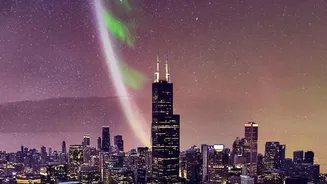
Mumbai is one of the most light-polluted cities in India, scoring a crippling 8 or 9 on the Bortle scale, which measures sky darkness. In such an environment, the Milky Way is completely invisible, and you'd be lucky to spot more than a few planets and the brightest
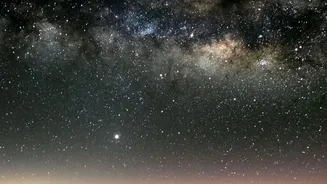
stars. This urban glow, or light pollution, is caused by artificial lights from buildings, streetlights, and advertisements shining wastefully up into the sky. To see the thousands of stars, the faint band of our own galaxy, and even meteor showers, you need to travel to areas with a much lower Bortle rating, ideally a 3 or 4, which are found in the rural expanses of the Sahyadris.
Essential Gear for a Night Under the Stars
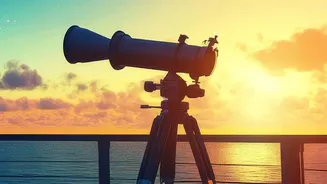
A successful stargazing trip requires a bit of preparation. First, dress in layers; even after a warm day, temperatures in the hills can drop significantly at night. A mat or groundsheet is essential for comfort, as you'll be looking up for long periods. For navigation in the dark, use a red-light torch, which preserves your night vision unlike a standard white flashlight. While a telescope is fantastic, a simple pair of binoculars can reveal stunning details of the moon's craters, star clusters, and even some nebulae. Lastly, download a stargazing app to your phone to help identify constellations and planets. Pack water, snacks, and a sense of wonder.
Naneghat: The Historic Mountain Pass
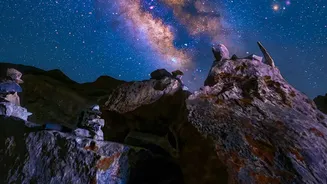
Located about three hours from Mumbai, Naneghat is an ancient trade route that offers a stunning celestial theatre. At an altitude of over 2,400 feet, you are elevated above much of the atmospheric haze, and its distance from major cities ensures significantly darker skies. The flat plateau provides an unobstructed, 360-degree view, making it a favourite for amateur astronomers and astrophotographers hoping to capture the Milky Way. Many local groups organize overnight camping and stargazing events here, complete with powerful telescopes and expert guidance, making it accessible even for beginners.
Vaitarna: Serenity by the Lakeside
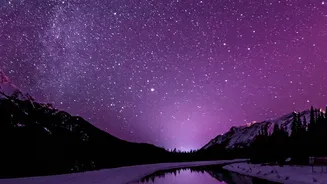
The area around the Vaitarna Dam is another prime location, known for its tranquil environment and dark, clear skies. The large expanse of water provides a stunning backdrop for astrophotography, with stars reflecting on the calm surface. The site is far from the light pollution of Mumbai and Nashik, making it one of the better spots to observe deep-sky objects. Several tour operators offer riverside camping packages that include guided stargazing sessions, where experts help you navigate the cosmos with professional telescopes. The best time to visit is from October to April, after the monsoon has cleared the air.
Dehene: The Emerging Astro-Tourism Hotspot
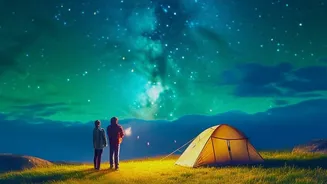
Just a couple of hours' drive from Mumbai, the small village of Dehene in the foothills of the Sahyadris has become a popular destination for astro-tourists. Nestled amidst mountains, the location is shielded from city lights, offering a pristine view of the night sky. It's an excellent spot for spotting star trails and constellations, and many Mumbai-based astronomy groups host regular weekend 'star parties' here. These events often include camping, local meals, and detailed sessions on identifying celestial objects with both the naked eye and telescopes, fostering a community of stargazers.
Malshej Ghat: A Post-Monsoon Paradise
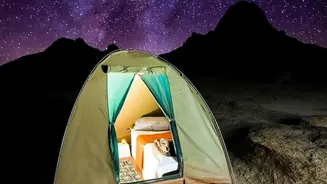
Famous for its misty hills and waterfalls during the monsoon, Malshej Ghat transforms into a stargazer's haven once the skies clear. Its elevation and remote location provide a dark environment where the Milky Way is often visible to the naked eye. The rugged, scenic beauty of the ghat adds to the experience of spending a night under the stars. Several campsites in the area cater to weekend visitors, offering a perfect blend of natural beauty by day and cosmic wonders by night. The drive itself, about four hours from Mumbai, takes you through breathtaking landscapes.