

A Star With a Black Hole Heart
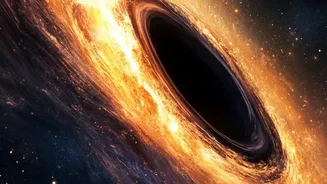
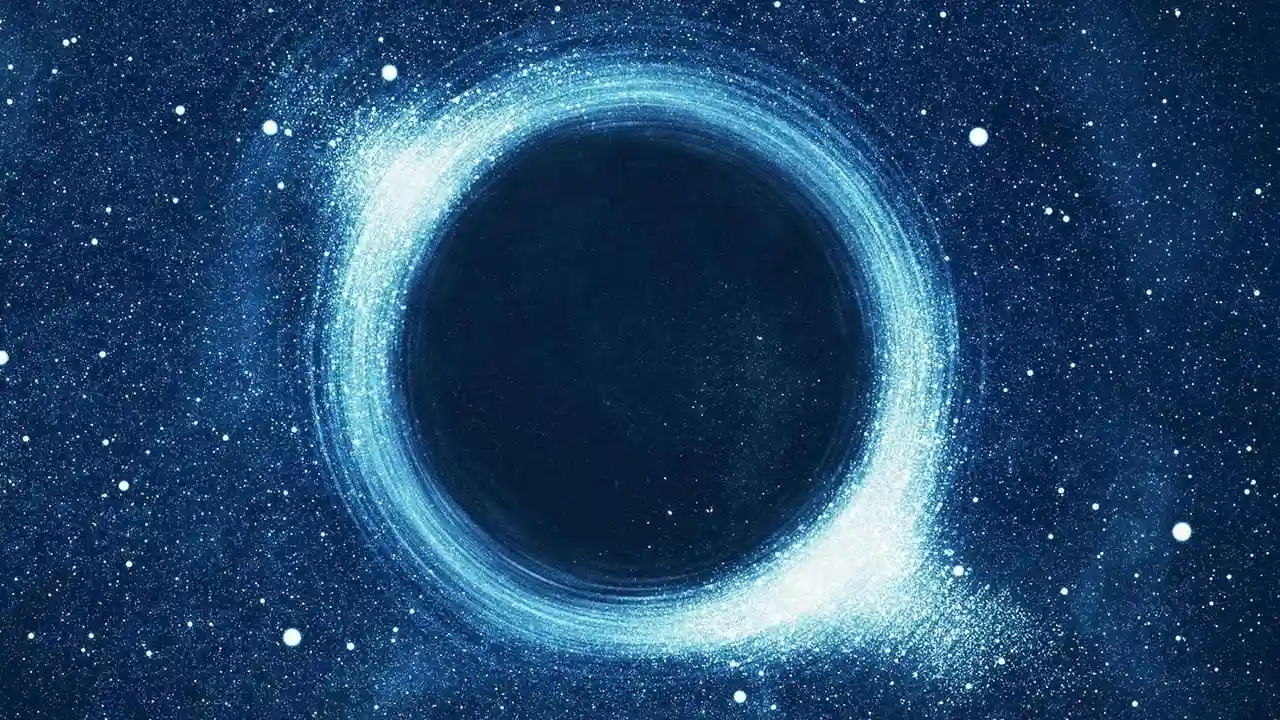
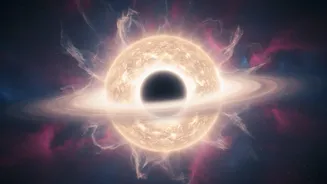
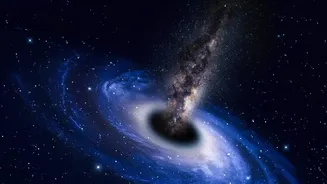
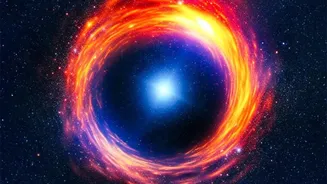
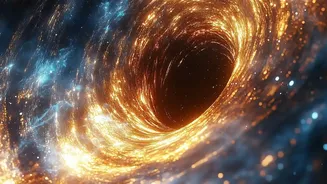
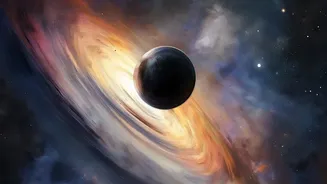
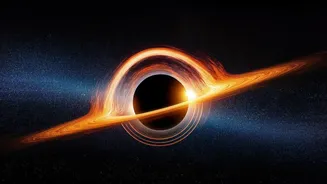
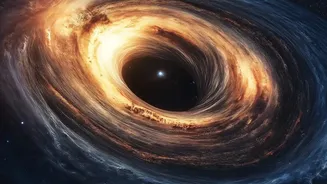
Imagine a star, but instead of being powered by nuclear fusion like our sun, its engine is a black hole. This is the mind-bending concept of a black hole star, a theoretical object that may have been common in the infant universe. Unlike a normal star which
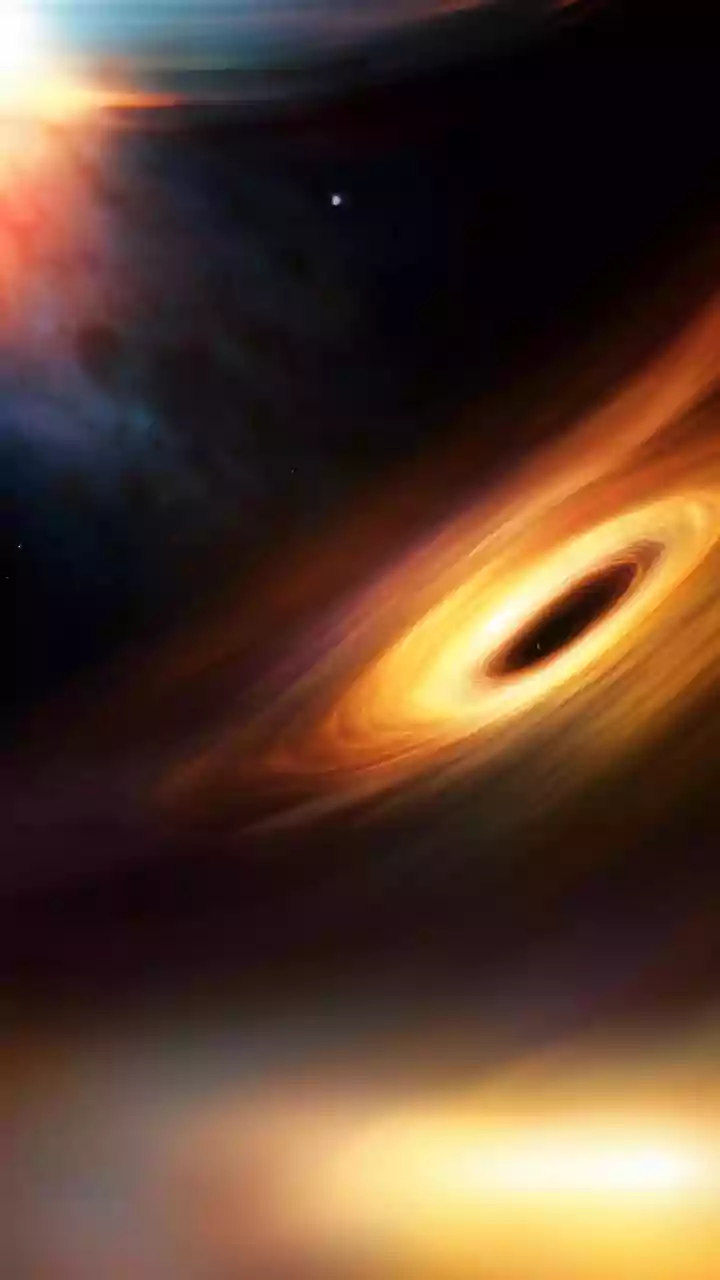
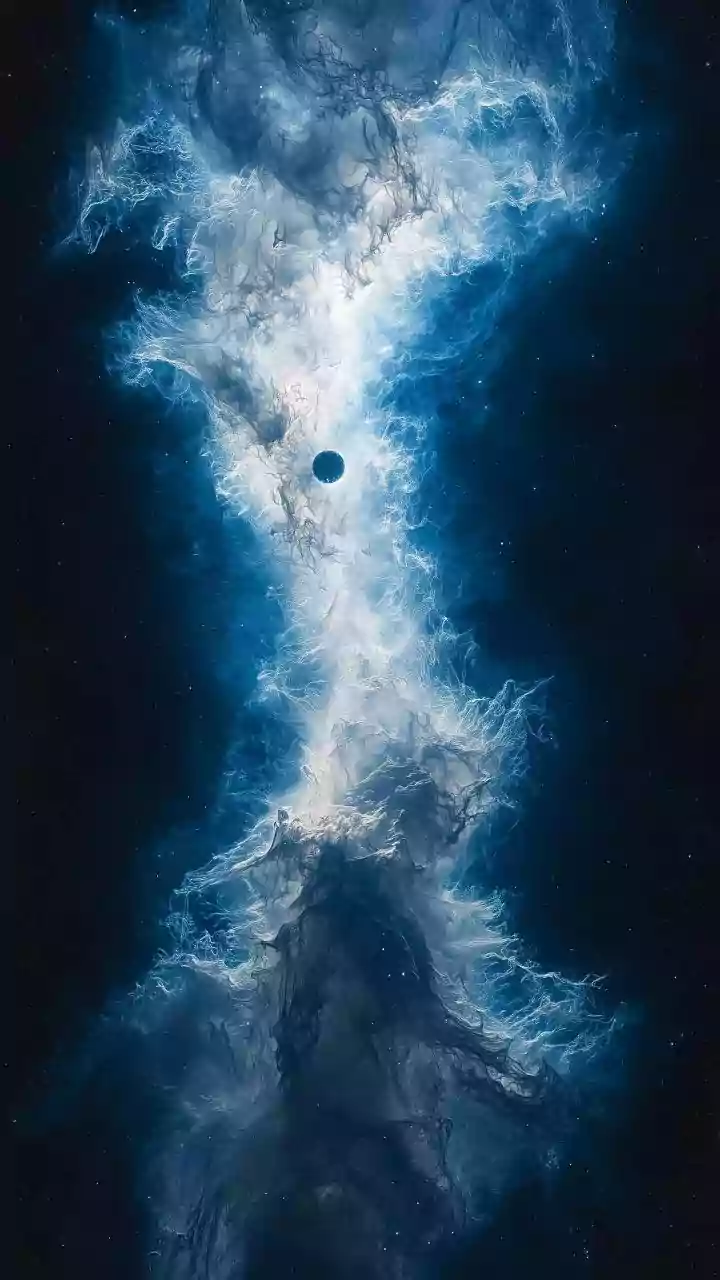
generates energy by fusing elements in its core, a black hole star would be a gigantic, dense cloud of hydrogen gas with a black hole at its center. The energy would come from matter falling into this central black hole, a process so intense it would cause the surrounding gas to glow like a star, but on a scale never seen before. Researchers believe these objects would be enormous, potentially the size of our entire solar system.
The Discovery of MoM-BH-1
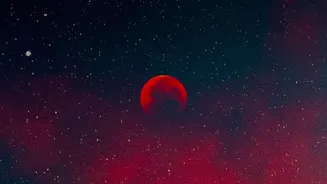
The excitement stems from a specific discovery by astronomers at MIT and other institutions using the James Webb Space Telescope (JWST). While peering deep into the cosmic past, they spotted an extremely bright, distinctly red object from just a few hundred million years after the Big Bang. This object, named MoM-BH-1, was putting out 100 billion times more energy than any known star is physically capable of producing. Its power output was far more consistent with a black hole, yet its appearance was that of an enormous, gas-shrouded star. Its unique light signature, with an exceptionally sharp drop-off in brightness at a specific wavelength, ruled out any ordinary stellar population.
Forging Giants at Cosmic Dawn
The conditions of the early universe were perfect for creating such strange objects. The cosmos was filled with dense clouds of pristine hydrogen and helium gas. One leading theory is that a large protostar could have collapsed at its core to form a black hole, but the star's outer layers were so massive they weren't blown away, as would happen in a typical supernova. Instead, the outer gas cloud remained, forming a massive, star-like cocoon around the newly formed black hole. This process is different from how modern stars die and could only happen before the universe was seeded with heavier elements from generations of star death.
Solving a Supermassive Mystery
The existence of black hole stars could solve one of cosmology's most persistent puzzles: how did supermassive black holes (SMBHs) get so big, so fast? We see these behemoths, millions or billions of times the mass of our sun, at the center of nearly every large galaxy, including our own Milky Way. However, they already existed surprisingly early in the universe. Traditional models of black hole growth struggle to explain their rapid formation. Black hole stars offer a potential solution. They could be the 'seeds' or an intermediate stage, allowing a black hole to accrete mass at a phenomenal rate while being protected within its gaseous shell, eventually growing into the SMBHs we see today.
The Hunt for Cosmic Ghosts
The discovery of MoM-BH-1 has ignited a new search. Astronomers believe it might be the first confirmed example of this new class of object. They suspect that many of the other mysterious 'Little Red Dots' frequently spotted in JWST's deep-field images could also be black hole stars, just not as overwhelmingly bright as this first example. While MoM-BH-1 appears to be a case where the black hole star's light completely outshines its host galaxy, other red dots could be similar objects embedded within young galaxies. This new model provides a template for researchers to test against other observations, potentially turning these mysterious dots into a new chapter of cosmic evolution.