

What Exactly Are Fermented Foods?
Fermentation is an ancient method of preserving food that has been used for thousands of years. It's a natural process where microorganisms like bacteria, yeast, or moulds break down the sugars and starches in food. This transformation not only preserves
the food but also creates distinctive new flavours, textures, and aromas. More importantly, this process can produce beneficial bacteria known as probiotics, which are linked to a host of health benefits, especially for gut health. The process is typically anaerobic, meaning it happens without oxygen, which helps the friendly microbes thrive while keeping harmful ones at bay.
A Taste of Popular Fermented Foods
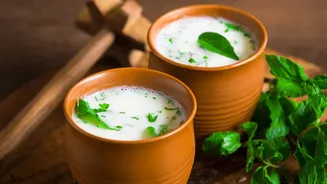
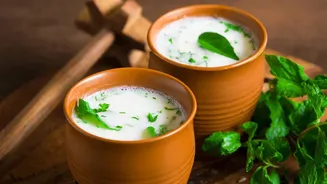
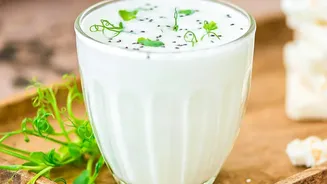
The world of fermented foods is vast and delicious. Yoghurt and Kefir are two of the most well-known, created by fermenting milk with specific live cultures to produce a creamy, tangy product rich in probiotics. From Korea comes Kimchi, a spicy and sour fermented side dish typically made from napa cabbage and a variety of seasonings. From Japan, we get Miso, a savoury paste made from fermented soybeans that is a staple in soups and marinades. Tempeh, originating from Indonesia, is another soybean product, but it's fermented into a firm, cake-like block with a nutty, mushroom-like flavour.
The Gut-Friendly Health Benefits
The primary health advantage of many fermented foods is their probiotic content. These live microorganisms can help support and diversify the healthy bacteria in your gut. A balanced gut microbiome is crucial for good digestion, nutrient absorption, and a strong immune system. Regularly consuming foods like kimchi, kefir, and yoghurt may help introduce these beneficial bacteria, which can crowd out harmful microbes and create a healthier gut environment. Beyond digestion, research suggests that a healthy gut microbiome is linked to reduced inflammation and even improved mood and mental clarity.
The Golden Rules of Food Safety
While fermentation is a preservation method, it doesn't make food invincible. Improper handling can introduce harmful bacteria like Salmonella, E. coli, and Listeria. One of the most critical rules is to always use clean hands and sterilised utensils and containers when handling fermented products to prevent cross-contamination. When fermenting at home, it is vital to follow a tested recipe precisely, as altering ingredients like salt or vinegar can compromise safety. The ingredients themselves must be fresh and of high quality; using decayed vegetables, for instance, can introduce spoilage bacteria from the start.
Proper Storage for Lasting Freshness
Correct storage is key to maintaining the quality and safety of fermented foods. For most store-bought and homemade ferments like kimchi, sauerkraut, and kefir, refrigeration is essential. Cold temperatures significantly slow down the fermentation process, preserving the flavour and extending shelf life for weeks or even months. It's also crucial to keep the food submerged in its brine, as exposure to air can lead to spoilage and mould growth. Always use an airtight, non-metallic container, as metals can react with the acids in the food and affect its taste and safety.
When to Know It's Gone Bad
Trust your senses to tell you if a fermented food has spoiled. The first red flag is often the smell; if it smells rotten, putrid, or like garbage instead of pleasantly sour, you should discard it. Visually inspect the food for fuzzy mould in colours like green, black, blue, or pink — this is a clear sign of spoilage and is not safe to eat. While a cloudy brine and bubbles can be normal signs of active fermentation, an unusual slimy texture is a warning sign of contamination. If you have any doubt, it is always safest to throw it out.